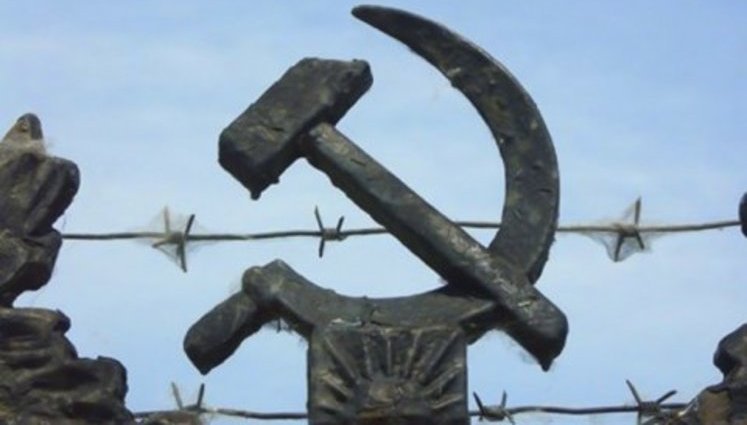
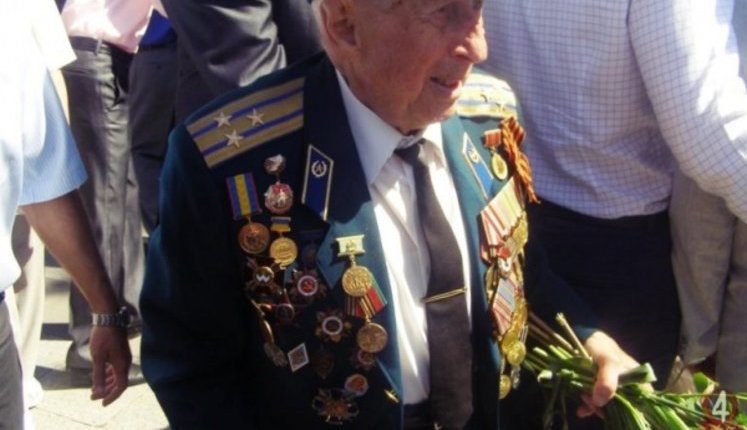
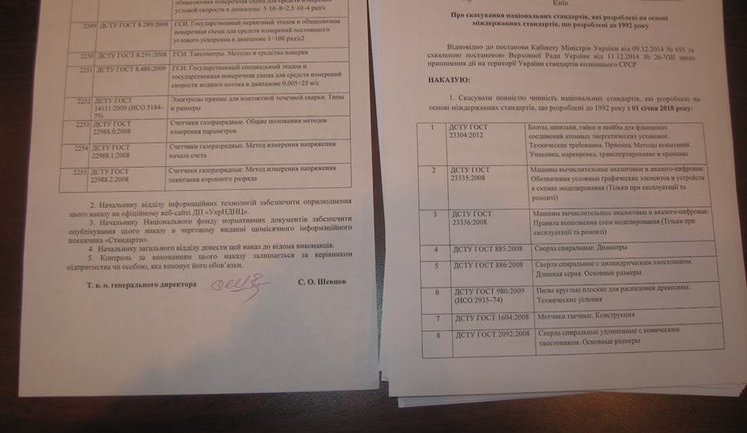
The enduring legacy of the USSR continues to shape modern events, with former Soviet territories navigating their independent paths while facing Russian influence. Recent reports highlight Ukrainian actions against Soviet-era military machinery, specifically the destruction of the T-62 tank. This incident symbolizes Ukraine's ongoing resistance against aggression reminiscent of Soviet strategies. Meanwhile, cultural elements from the Soviet era, like the debate over Cheburashka's ethnicity, demonstrate the complex socio-political landscape shaped by historical narratives. These stories underscore current political tensions, as leaders like Zelenskyy assert Russia cannot reclaim the dominance once held by the Soviet Union. This sentiment is echoed in declining nostalgia for Soviet rule among Ukrainians, reflecting a broader regional demand for autonomy and democratic governance.
What prompted Ukraine to address Soviet military equipment?
Ukraine's military strategy includes targeting Soviet-era equipment like the T-62 tank to counteract ongoing aggression and highlight the modernization of its defense capabilities against traditional Soviet military tactics. This forms part of a broader initiative to diminish the remnants of Soviet influence and assert a more independent defense posture.
What is the significance of Cheburashka's origins being questioned?
The discourse surrounding Cheburashka's ethnic origins reflects broader cultural and political attempts to redefine or reclaim cultural narratives from the USSR period. Such debates illustrate how historical legacies influence contemporary identity politics and cultural discussions within countries of the former Soviet Union.
How has public opinion in Ukraine shifted regarding the USSR?
In Ukraine, sentiment towards the USSR has shifted significantly, with polls indicating a drop in support for Soviet-era policies and governance. This change underscores a growing preference for independence and democratic structures, marking a decisive cultural and political move away from Soviet values towards European integration and reform.
Why does Zelenskyy believe Putin cannot restore USSR influence?
President Zelenskyy argues that the geopolitical landscape has shifted, with former Soviet states developing stronger independent identities and alliances. The global move towards democracy and international norms further limits Russia's potential to exert dominance similar to the USSR era, reinforcing regional stability and autonomy.
What are the global implications of Soviet-era nostalgia in Eastern Europe?
In Eastern Europe, Soviet-era nostalgia presents challenges to democratic transitions and regional stability. As some factions romanticize the past, tension between reformist and retrograde elements could destabilize progress. However, overall trends show growing rejection of authoritarian legacies in favor of integration and modernization.
What role does Soviet history play in current Russian-Ukrainian relations?
Soviet history critically frames Russian-Ukrainian relations, influencing territorial disputes and political rhetoric. The USSR's historical policies and territorial control continue to impact current conflicts, with Russia's actions often echoing Soviet tactics, much to Ukraine's resistance and Western scrutiny. This historical context is central to understanding ongoing tensions and territorial claims.
How does the destruction of Soviet tanks impact the geopolitical landscape?
The destruction of Soviet tanks in Ukraine is symbolic of both Ukraine's resistance and the broader shift away from outdated military arsenals. This act not only highlights the obsolescence of Soviet military strategies but also signals a commitment to modern defense systems and the rejection of authoritarian legacies in favor of innovation and autonomy.
Why is the ethnic origin of a Soviet cartoon character significant?
The ethnic origin of a Soviet cartoon character like Cheburashka becomes significant as it highlights the intersection of culture, politics, and identity within post-Soviet societies. It reflects deeper societal debates about heritage and national identity in the context of broader historical narratives that continue to influence present political climates.