From traffic incidents to asset declarations, the judicial system in Ukraine has recently faced significant scrutiny. In Kryvyi Rih, a tragic event occurred when a judge hit an 11-year-old boy at a crosswalk. Meanwhile, media investigations revealed the Karaban family, dominated by judicial links, acquired assets worth over $2.5 million. The High Anti-Corruption Court imposed strict measures on Supreme Court judges amidst corruption suspicions. These stories highlight ongoing challenges within Ukraine's judicial realm, underscoring critical issues such as judicial misconduct, bribery, and illicit enrichment.
What led to the unfortunate event involving a judge in Kryvyi Rih?
In Kryvyi Rih, a district judge was involved in a tragic accident, striking an 11-year-old boy at a crosswalk, which led to the boy's hospitalisation and subsequent death. The incident has sparked discussions on judicial accountability.
How did the family of former judge Karaban amass substantial assets?
The Karaban family, linked to judicial positions, reportedly acquired assets worth over $2.5 million, including luxury properties and parking spaces. The acquisitions raise questions about transparency and legal compliance in asset declarations.
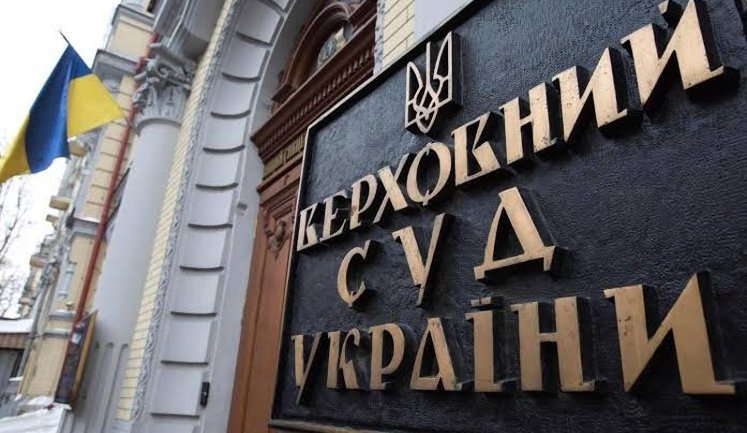
What preventive measures has the HACC imposed on Supreme Court judges?
The High Anti-Corruption Court imposed preventive measures, including significant financial penalties, on Supreme Court judges suspected of corruption. These measures aim to ensure judicial integrity during legal proceedings.
What are the charges against a Kyiv judge regarding illicit enrichment?
A judge in Kyiv faces charges of illicit enrichment and filing false asset declarations, involving over UAH 16 million. The case reflects ongoing efforts to combat corruption in Ukraine's judicial system.
How was a judge in the Chernivtsi region implicated in a bribery case?
A Chernivtsi region judge was exposed for inciting bribery, involving a US$30,000 bribe for an acquittal. This highlights systemic issues of corruption affecting judicial decisions and public trust.