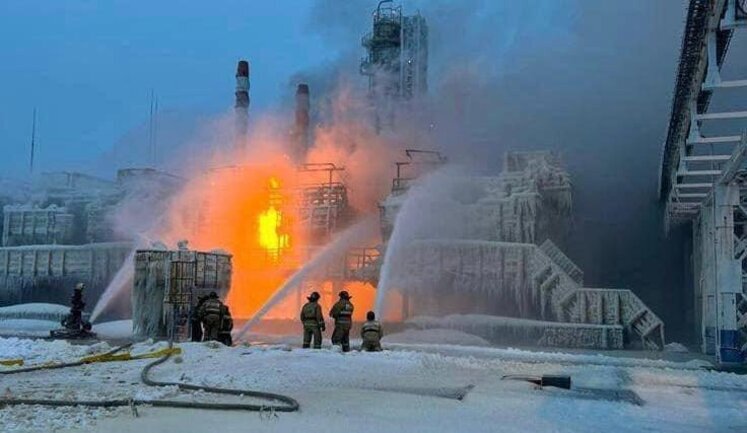
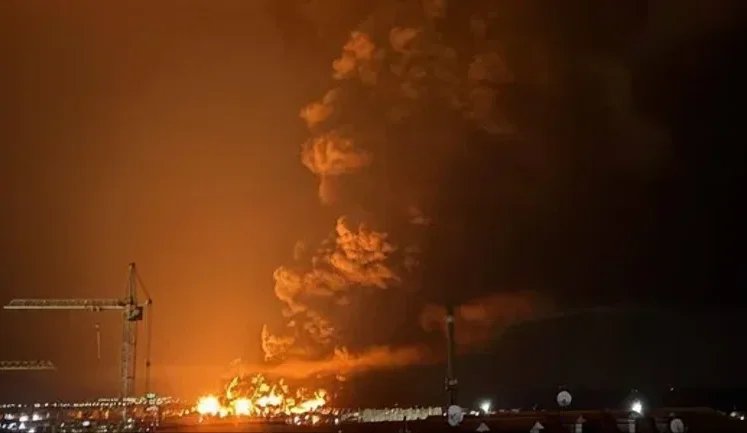
Recent drone attacks have caused significant disruption to terminal operations in Russia. The KSK grain terminal in Novorossiysk was the third to shut down following a targeted drone assault. Russian Railways has responded by stopping grain shipments to all affected terminals. In the Odesa region, a Kernel terminal was struck by Russian forces, destroying 25,000 tonnes of sunflower oil and inciting a destructive fire. These incidents highlight the vulnerability and strategic importance of terminal facilities in ongoing conflicts, as similar sabotage including the SSU drone attack on the Ust-Luga oil terminal in Leningrad further escalated the situation. The recurring patterns of assault signal a broader struggle for control over critical energy resources.
What caused the shutdown of the grain terminals in Novorossiysk?
The grain terminals in Novorossiysk were shut down due to a drone attack on the port on August 12th, 2026. This attack resulted in significant safety concerns, prompting Russian Railways to halt grain shipments to the affected terminals.
How much sunflower oil was destroyed at the Kernel terminal?
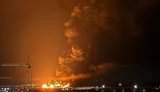
Approximately 25,000 tonnes of sunflower oil were destroyed in the attack on the Kernel terminal in the Odesa region. The attack led to a major fire, which resulted in half of the storage tanks being damaged beyond repair.
Why were explosions heard in Feodosia, Crimea?
Explosions were reported in Feodosia, Crimea, after drones targeted an oil depot. This location has been subject to increased strategic interest and military activities due to ongoing geopolitical conflicts.
What was the impact of SSU drones on the oil terminal in Leningrad?
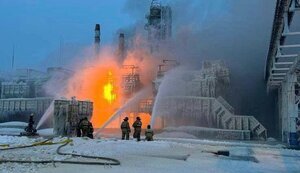
The SSU drone attack on the Ust-Luga oil terminal in Leningrad resulted in the terminal ceasing operations. This strategic action underscores the impact of modern drone warfare on critical infrastructure within conflict zones.
How have drone attacks influenced Russian terminal operations?
Drone attacks have severely disrupted operations at Russian terminals, leading to halts in grain shipments and significant losses in oil production. These attacks expose vulnerabilities and amplify the strategic importance of such facilities amidst ongoing conflicts.