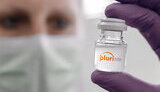
Ukraine is proactively combating disease threats by acquiring a radiation sickness drug from Israel following a Russian drone strike near Chornobyl. This move by Pluri Bio comes amid rising health concerns where Ukrainian officials report an alarming trend of younger patients suffering strokes, attributed to wartime stress. In occupied territories like Mariupol, viral illnesses are surging, hinting at potential epidemics due to shortages of medical supplies. The ongoing conflict also exacerbates conditions like diabetes, with surgeons in Mariupol overwhelmed by daily amputations. This underscores a dire healthcare situation as Ukraine strives to mitigate disease impacts.
What measures is Ukraine taking against radiation-related diseases?
Ukraine has signed an agreement with an Israeli biotechnology firm to secure a drug for treating radiation sickness. This pre-emptive measure is in response to potential nuclear threats following a recent attack near the Chornobyl plant. The drug aims to mitigate the risk of radiation exposure effects.
Why are strokes becoming more common among young Ukrainians?
Health officials attribute the increasing incidence of strokes among younger Ukrainians to the ongoing stress and turmoil caused by war. The conflict has significantly affected the population's mental and physical health, leading to earlier onset of diseases typically seen in older age groups.
How has the war affected viral infection rates in Mariupol?
Viral infections have been on the rise in occupied Mariupol, exacerbated by the war. The city council warns of epidemic risks due to insufficient healthcare resources and ongoing conflicts, which disrupt sanitation and access to healthcare, significantly impacting public health.
What healthcare challenges are present in Mariupol due to diabetes?
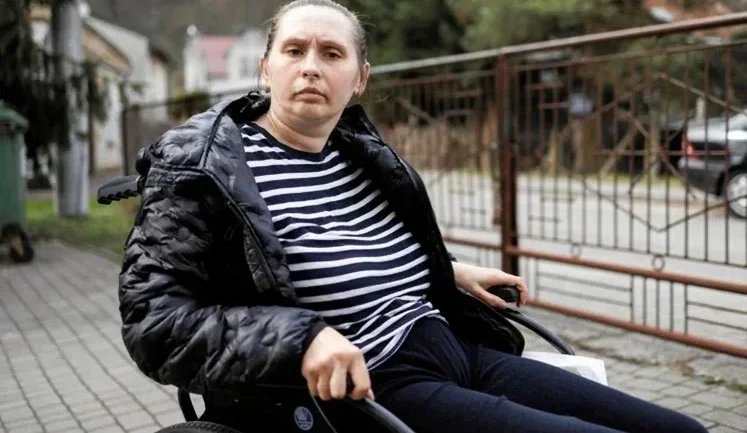
Mariupol faces severe healthcare challenges, particularly with diabetes management. There’s a critical shortage of insulin, leading to increased limb amputations by surgeons daily. The war has disrupted medical supply chains, intensifying the plight of diabetic patients in the area.
How is the stress of war affecting the health of Ukrainians?
The stress induced by war has considerable health effects on Ukrainians, accelerating biological aging and making people more susceptible to diseases that typically occur at older ages. This situation calls for increased healthcare interventions to handle long-term health implications.
What is the impact of the conflict on the spread of disease in Ukraine?
The ongoing conflict in Ukraine significantly exacerbates disease spread, disrupting healthcare systems and leading to shortages in medical supplies. This situation has heightened vulnerabilities such as viral infections and unmanaged chronic diseases, increasing public health risks.