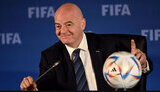
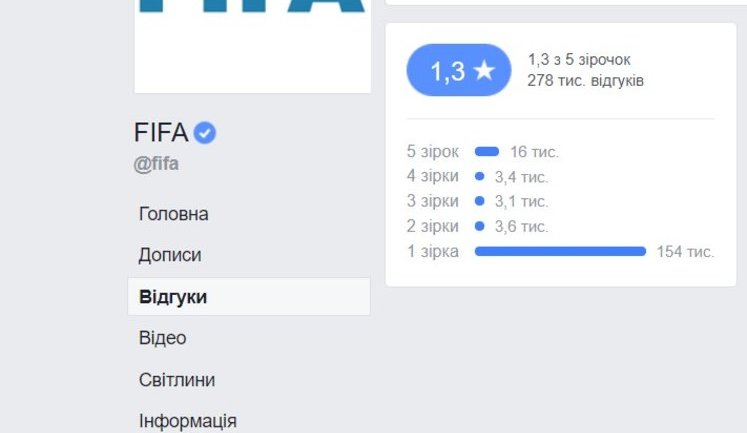
FIFA has frequently found itself at the epicenter of global controversies, especially regarding the intersection of sports and politics. Recently, FIFA President Gianni Infantino advocated for the swift return of Russian athletes to international competitions, emphasizing the importance of inclusion in sports. This stance has drawn mixed reactions, especially considering FIFA's historical position that sports should remain apolitical. Past incidents, such as FIFA's refusal to showcase political speeches or reprimanding expressions of national support in sporting events, highlight the complex dance between sports ethics and political realities. Russian dominance in world football arenas, thanks to hosting events like the 2018 World Cup, remains a controversial subject. As football continues to be a significant arena for global diplomacy and discourse, FIFA's actions and decisions affect its reputation and influence on the world stage.
Why did FIFA President Infantino support Russia's return to international football?
Gianni Infantino believes in the principle of inclusivity in sports, suggesting that Russia's re-entry to international football fosters unity and growth. This stance, however, is controversial due to ongoing political tensions and past violations of international norms by Russia, highlighting the debate on whether sports can truly be separated from politics.
What was the FIFA controversy involving Zelensky’s speech?
FIFA faced backlash when it refused to allow a speech by Ukrainian President Volodymyr Zelensky, highlighting a perceived clash with the slogan "Sport is beyond politics." This incident casts doubt on FIFA's consistent application of its non-political stance in sporting events, raising questions about transparency and motives.
How did FIFA handle the Vida and Vukojevic incident?
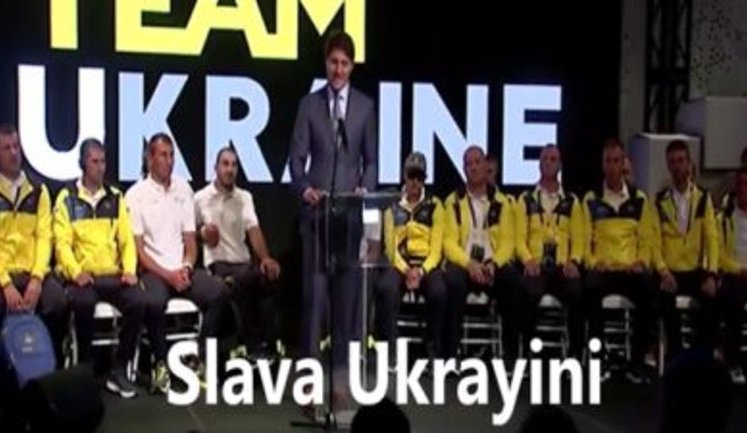
Following Croatia's World Cup quarterfinal victory, Domagoj Vida and Ognjen Vukojevic's pro-Ukraine comments led to a FIFA reprimand. The incident stirred debates about political expressions in sports, with criticism toward FIFA for seemingly prioritizing neutrality over freedom of expression.
What are the consequences of FIFA’s actions during international tournaments?
FIFA's decisions during international tournaments often have significant implications, affecting diplomatic relations and setting precedents for future conduct. The organization faces challenges balancing its global influence with ethical stewardship, under the scrutiny of both national bodies and the general public.
How do geopolitical tensions impact FIFA's decision-making?
Geopolitical tensions influence FIFA's policies and decisions, as seen in calls to relocate World Cup events from controversial hosts. The complex interplay between politics and sports requires FIFA to navigate diplomatic sensitivities while striving to maintain its commitment to fair play and international unity.
What was the impact of FIFA’s 2018 World Cup decision on international views?
The decision to host the 2018 World Cup in Russia drew significant criticism due to Russia's controversial global stance, impacting FIFA's reputation. Critics argue that such decisions reflect broader geopolitical dynamics, affecting how FIFA is perceived in its role as a global sports governing body.