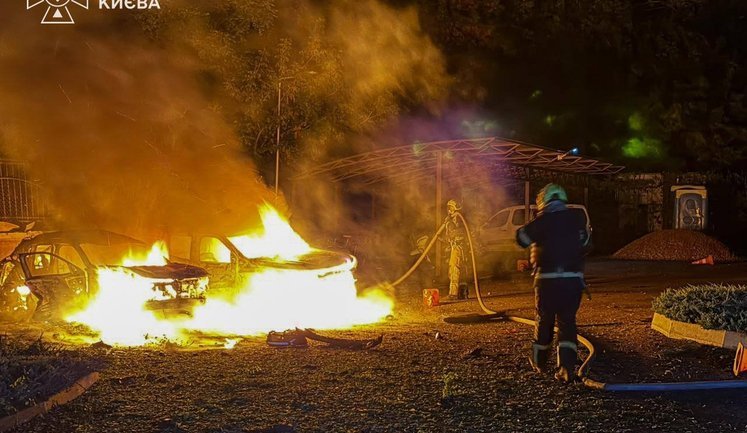
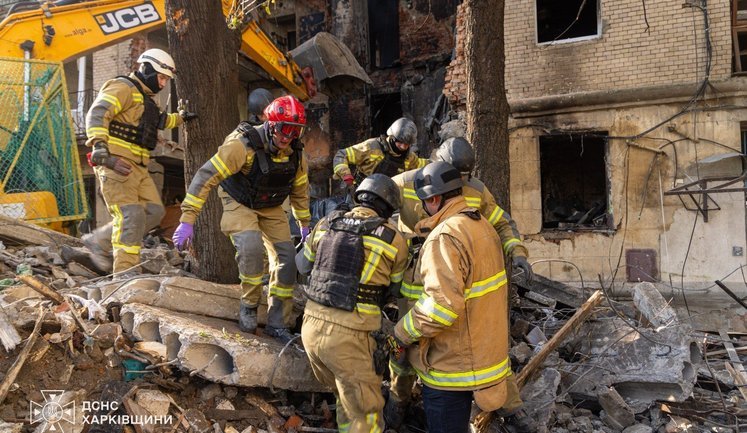
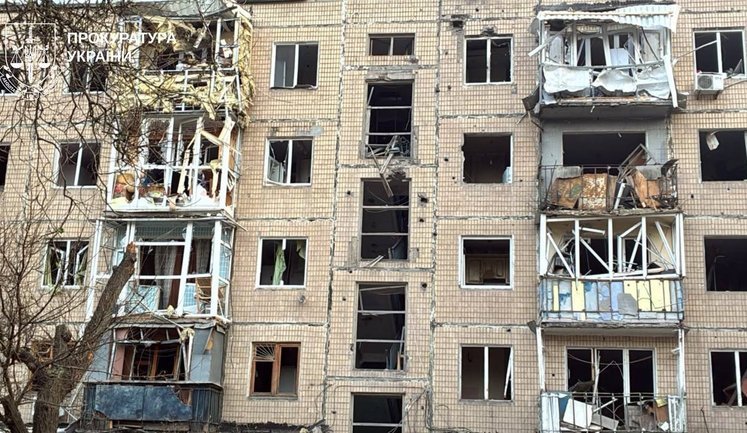
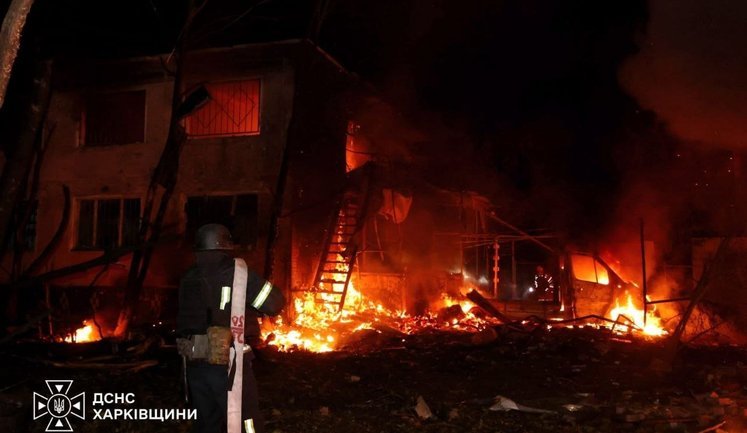
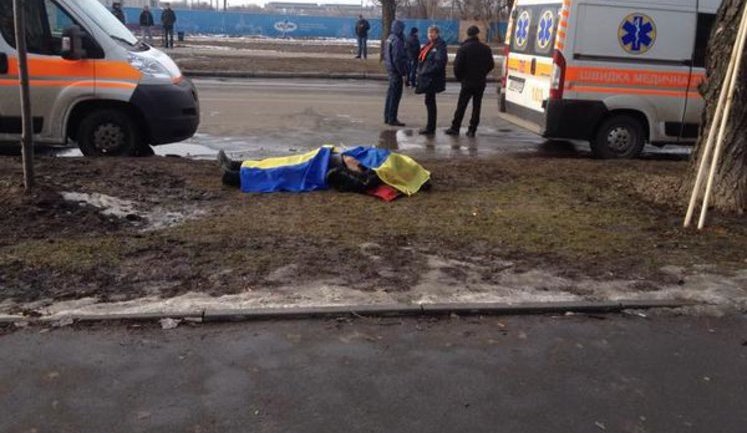
The city of Kharkiv, located in the Kharkivska region of Ukraine, continues to be a focal point of Russian aggression. In recent weeks, numerous drone and missile attacks have targeted both residential and commercial areas within the city and its suburbs. The Kholodnohirskyi, Kyivskyi, and Saltivskyi districts are among the hardest hit, with strikes causing significant damage and numerous casualties, including children and innocent bystanders. As ongoing attacks persist, emergency and rescue operations are continuously underway, with local authorities working to mitigate the damage and provide aid to the affected population. The relentless strikes have led to the destruction of infrastructure and heightened fears among residents, underscoring the resilience and fortitude of Kharkiv's citizens amid this dire situation.
What regions of Kharkiv have been most affected by recent attacks?
Recent Russian strikes have primarily targeted the Kholodnohirskyi, Kyivskyi, and Saltivskyi districts of Kharkiv. These regions have seen significant damage to both residential and commercial structures, resulting in casualties and widespread fear among residents.
How have the Russian attacks impacted daily life in Kharkiv?
The ongoing Russian attacks have severely disrupted daily life in Kharkiv. Frequent drone and missile strikes have not only caused physical damage and casualties but have also instilled constant fear and anxiety among the city's residents, complicating routine activities and emergency response efforts.
What measures are being taken to ensure the safety of Kharkiv residents?
Local authorities, alongside emergency services, are actively working to ensure the safety of Kharkiv's residents. This includes deploying rescue operations post-attacks, reinforcing shelter systems, and providing timely alerts and updates to help citizens navigate this dangerous environment.
Are there any specific types of weaponry being used in the attacks on Kharkiv?
The Russian military has been employing a range of weaponry in their attacks on Kharkiv, including drones, missiles, and guided aerial bombs (KABs). This has resulted in extensive damage to infrastructure and a high number of civilian casualties.
What is the humanitarian response to the current situation in Kharkiv?
The humanitarian response in Kharkiv involves both local and international aid efforts. These include providing medical assistance, shelter for displaced residents, and psychological support to help cope with the trauma induced by the persistent Russian aggression.
How is the Kharkivka region managing the aftermath of these attacks?
Managing the aftermath of the attacks in the Kharkivka region involves coordinated efforts between emergency services, government authorities, and international organizations. This includes clearing rubble, rebuilding damaged infrastructure, and offering immediate support and assistance to affected families and individuals.