



Russia expects to cut Kyiv, Kharkiv and Odesa off from electricity, water and heating within month – NYT
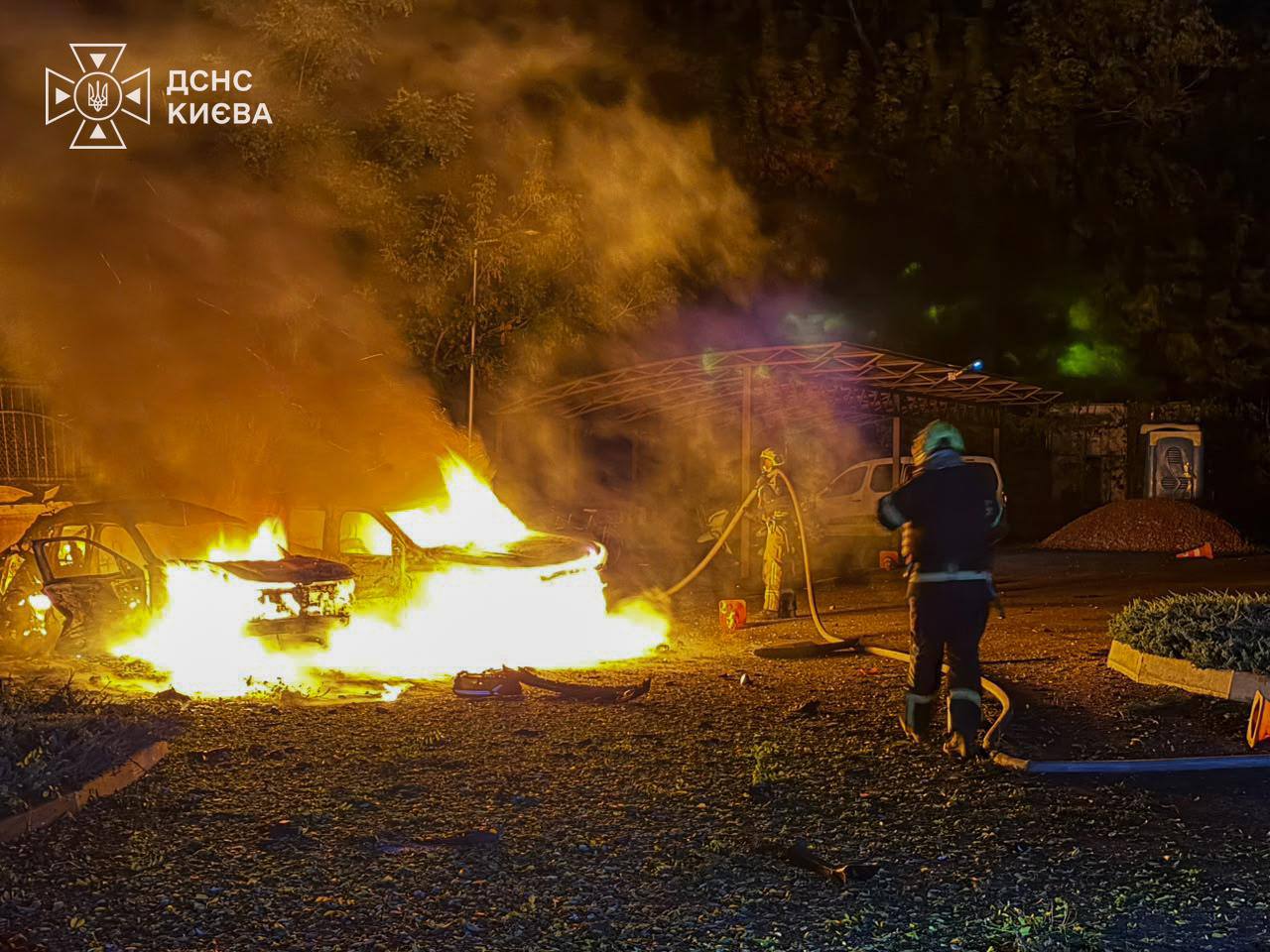
Russia has developed a plan for massive strikes intended to destroy the energy infrastructure, heating and water supply systems of Ukraine’s three largest cities within a single month.
The New York Times reports this, Censor.NET reports.
Journalists reviewed an intercepted document that Kyiv showed European officials last month.
What the plan entails
According to estimates in the document, Russia would need around 70 ballistic missiles, 720 long-range drones and 150 guided aerial bombs to cut Kyiv, Kharkiv and Odesa off from electricity, heating and water supplies.
As the NYT notes, this is roughly the number of ballistic missiles and drones that penetrate Ukrainian air defences each month on average, according to an analysis of Ukrainian Air Force data.
By this logic, Moscow believes that one month of strikes could achieve what four winters of attacks on Ukraine’s power grid have failed to accomplish.
What underpins Moscow’s confidence
The newspaper writes that Russia’s confidence rests largely on Ukraine’s shortage of air defence assets, particularly interceptors for Patriot systems.
Ukraine’s Ambassador to NATO Aliona Hetmanchuk said Kyiv’s list of requests to partners now includes air-to-air missiles that fighter jets can use to shoot down jet-powered drones, as well as medium-range air defence systems, which have also proved effective.
What would happen if the plan succeeds
If Russia’s plan succeeds, Kyiv, Kharkiv and Odesa are estimated to lose 90% of their electricity generation capacity, heating supplies would fall by 90%, and water supply and sewage systems would suffer severe disruption.
The NYT notes that Ukraine has repeatedly proposed a limited ceasefire focused on energy or port facilities, arguing that it would serve both sides’ interests, but Russia refuses to agree.
Ukraine and Russia’s "energy ceasefire"
- On October 11, Trump announced the supposed start of an "energy ceasefire", claiming that Ukraine and Russia had agreed to halt strikes. Zelenskyy called this "news" and stressed that Kyiv was ready to take such a step if Moscow genuinely observed it.
- Citing European officials, the Financial Times reported that the Trump administration was demanding that Kyiv stop attacking Russian oil refineries, threatening to halt arms purchases and intelligence sharing.
- Russia subsequently continued its attacks on Ukraine, including its energy infrastructure. The US, for its part, did not warn Kyiv about ballistic missile launches and apparently restricted the operation of Starlink terminals, complicating frontline operations.
- On the morning of October 15, Zelenskyy announced that Ukraine would resume strikes on Russian oil refineries. He said this followed three days without attacks amid restrictions on Starlink and, apparently, on intelligence sharing by the US.
- Earlier, on October 9, Trump announced that he had held an "extremely successful conversation" with Putin and agreed on supplies of thousands of tonnes of Russian diesel fuel to the US and global markets.


