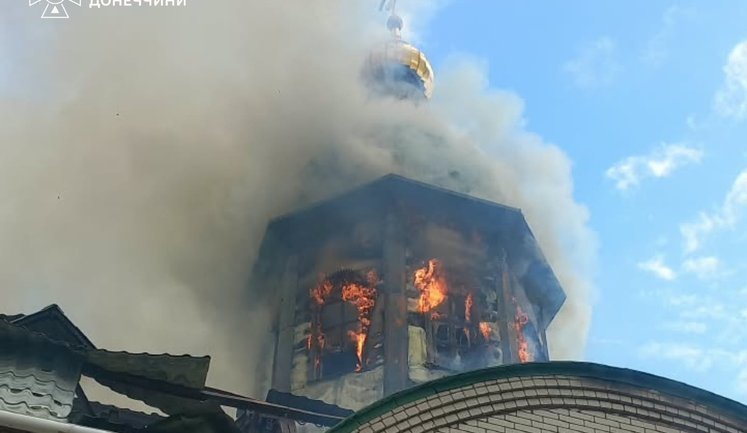
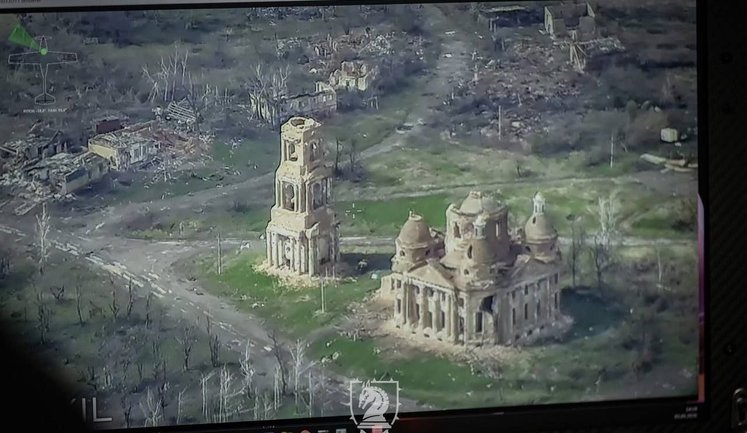
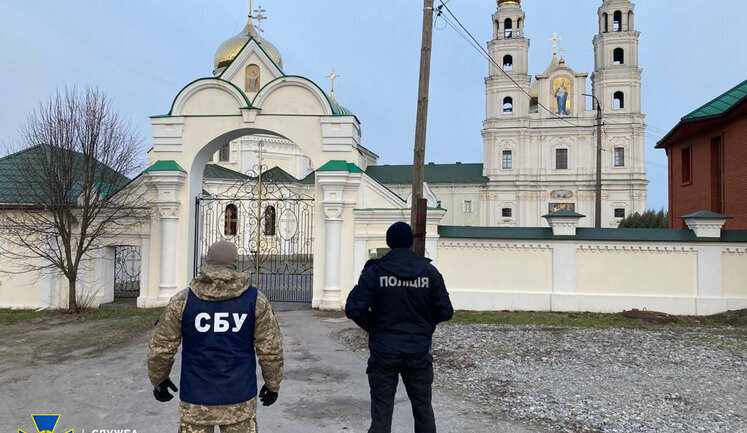
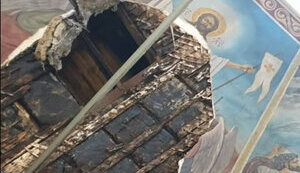
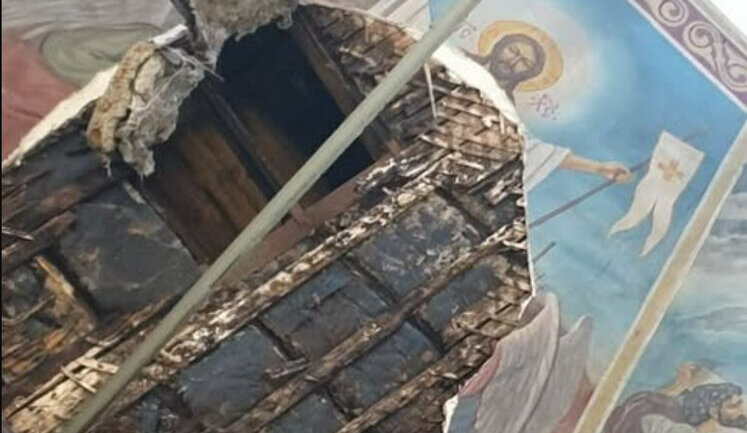
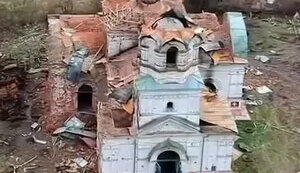
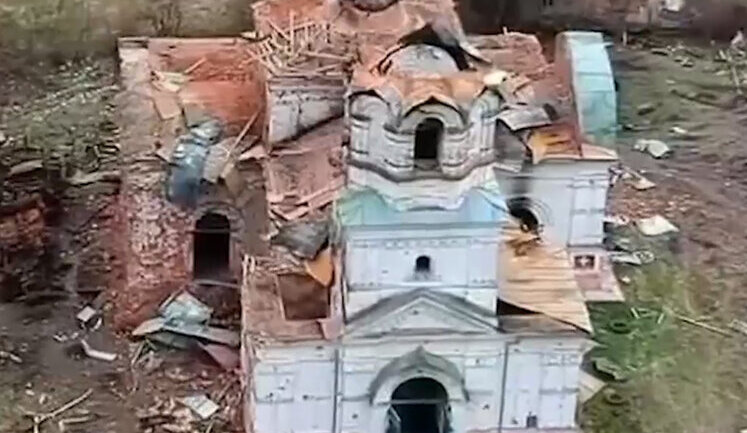
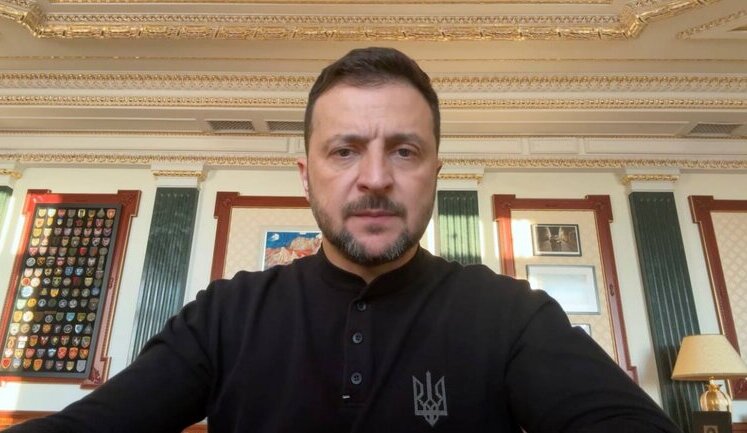
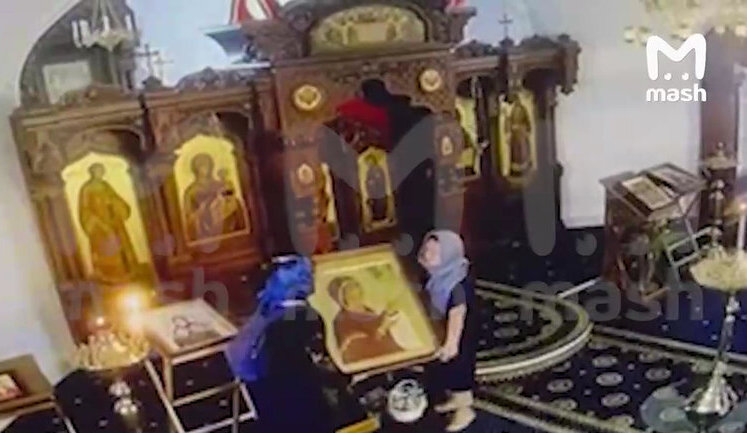
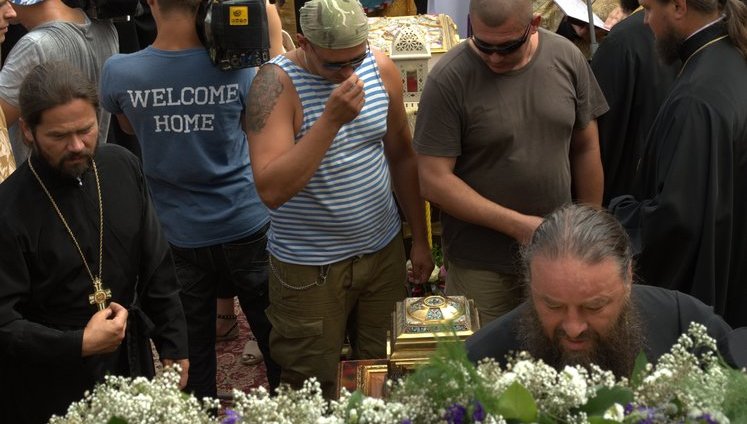
The destruction of the 19th-century Church of the Nativity in Yunakivka by Russian forces underlines the devastating impact of conflict on religious sites in Ukraine. This event is part of a broader pattern, with over 500 churches destroyed since the invasion began, according to President Zelenskyy. Despite the destruction, the Ukrainian Orthodox Church remains a focus of controversy, with the UOC-MP's affiliation with the Russian Orthodox Church being a key issue. This has led to debates on church independence and allegations of manipulation by Moscow. As churches are damaged, faith communities strive to maintain spiritual cohesion amidst adversity.
How many churches have been destroyed in Ukraine since the war began?
Since the start of the full-scale invasion, over 500 churches, mosques, temples, and other religious buildings have been destroyed or severely damaged by Russian military actions across Ukraine. This destruction highlights the ongoing threat to cultural and religious heritage in the region.
Are there still UOC-MP churches operating in Ukraine during the war?
Yes, there are still more than 7,800 Ukrainian Orthodox Church-Moscow Patriarchate churches operating in Ukraine. Despite the ongoing conflict and political controversies surrounding the UOC-MP's ties to the Russian Orthodox Church, these religious institutions continue their activities in various regions.
What actions have Polish authorities taken regarding damage to Ukrainian churches?
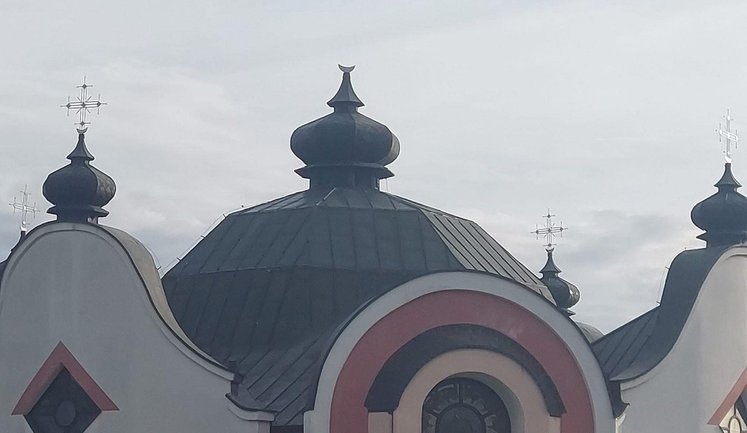
After incidents such as the cutting down of the cross from the Ukrainian church in Legnica, Polish authorities, represented by the embassy, have demanded thorough investigations. These acts have raised concerns about security for Ukrainian religious sites abroad amidst heightened tensions.
What is the Ukrainian government's stance on the independence of the UOC?
The Ukrainian government is actively working to ensure the spiritual independence of the country from Moscow's influence. This includes legislative efforts suggested by President Zelenskyy to prevent manipulation and ensure transparency within religious settings affiliated with the Moscow Patriarchate.
How does Russia's military strategy impact religious sites in Ukraine?
Russia's military operations have led to the systematic targeting and destruction of religious sites in Ukraine. This strategy not only damages cultural heritage but also aims to undermine community morale. Such actions have been condemned globally as violations of religious freedom and cultural rights.
What are the reasons behind the controversies involving the UOC-MP?
The UOC-MP's recognition as affiliated with the Russian Orthodox Church has sparked controversies in Ukraine. This affiliation is seen as a channel for Russian influence, leading to societal and political debate about the church's role and its impact on Ukraine's national security and cultural identity.
How has the conflict affected interfaith relations in Ukraine?
The ongoing conflict has strained interfaith relations, with tensions arising between different denominations. Provocations at religious sites and the manipulation of religious symbols for propaganda have exacerbated distrust. Yet, many faith communities strive for unity and peace amidst these challenges.