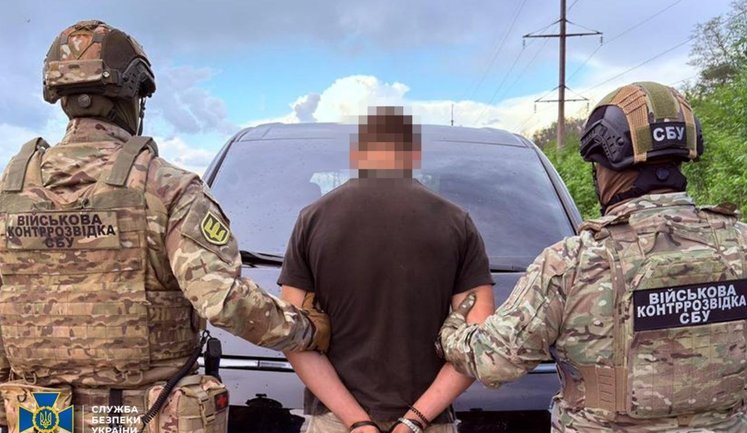
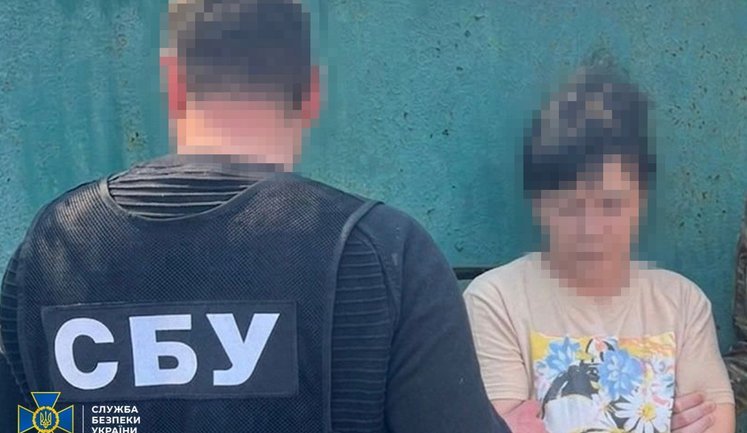
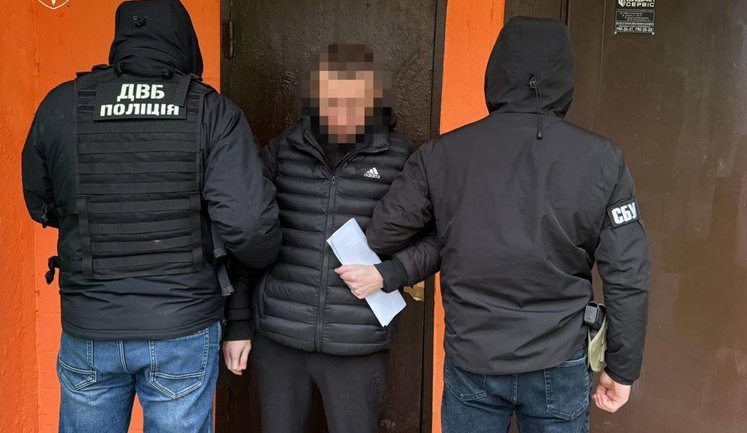
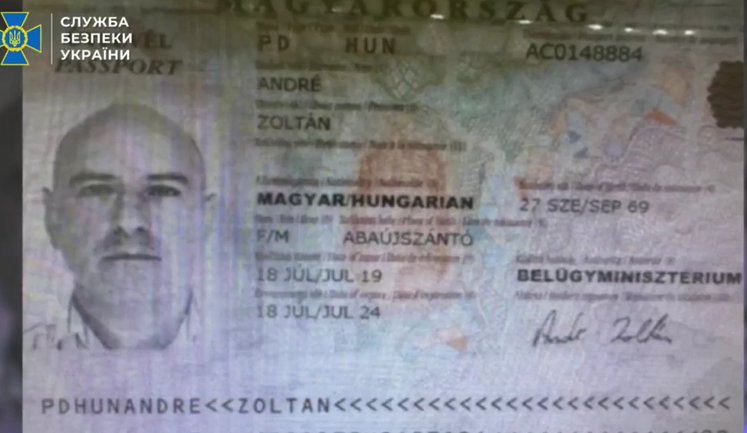
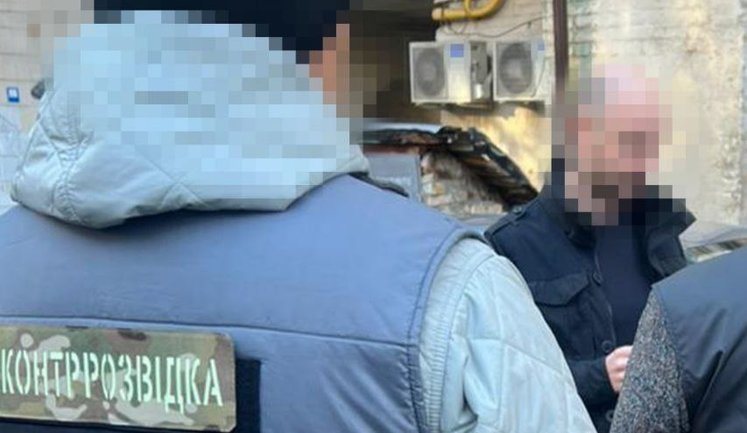
The espionage landscape in Ukraine has seen significant developments as the Security Service of Ukraine (SSU) uncovered a major Russian intelligence network operating in different regions. Recently, a Russian agent network planning the assassination of key military commanders was exposed in Kyiv. Meanwhile, another network was discovered in Zakarpattia, run by a Hungarian intelligence officer. The SSU has been relentless in its pursuit, detaining operatives responsible for coordinating Russian missile attacks and gathering sensitive military information. Detentions have also been carried out in Germany, where individuals were suspected of spying for Russia. These efforts underscore the persistent threat of espionage and the measures taken to safeguard Ukrainian sovereignty and security.
What measures are being taken to combat espionage activities in Ukraine?
The Security Service of Ukraine (SSU) is actively dismantling espionage networks across the country. They have intensified their counter-intelligence operations, detaining numerous agents and preventing planned hostile activities. The SSU collaborates with local and international institutions to ensure the security of sensitive areas and personnel.
Who are the main targets of espionage in Ukraine?
The primary targets in Ukraine are military commanders, energy infrastructure, and defense facilities. Additionally, Russian agents focus on disrupting the country's command hierarchy and logistical operations, often targeting key assets and individuals within the national defense forces.
Has espionage activity increased in recent years in Ukraine?
Yes, espionage activities have intensified, particularly due to ongoing conflicts. The involvement of foreign intelligence services such as the FSB and coordinated efforts to infiltrate critical sectors have been persistent, necessitating increased vigilance and countermeasures by Ukrainian authorities.
How are foreign governments involved in espionage activities in Ukraine?
Foreign governments, particularly from Russia and recently Hungary as identified by the SSU, have been implicated in espionage activities. These governments utilize spies to gather intelligence on Ukraine’s military and civilian infrastructure, posing a continuous threat to national security.
What has been the involvement of intelligence agencies from other countries in Ukrainian espionage cases?
Besides the Russian FSB, other countries' intelligence entities, such as those from Hungary and Belarus, have also tried to infiltrate Ukraine’s defense systems. This involvement includes recruiting local agents and attempting to create networks to undermine Ukraine's military efforts.
What locations are most vulnerable to espionage activities in Ukraine?
Regions such as Kyiv, Zakarpattia, and Donetsk have emerged as hotspots for espionage activities, with critical infrastructure and defense establishments being primary targets. The SSU’s operations have primarily focused on these areas due to their strategic importance.
How does espionage affect Ukraine’s defense capabilities?
Espionage activities significantly threaten Ukraine’s defense capabilities by targeting military operations and infrastructure. Enemy agents disrupt strategic military movements and weaken defenses, which can lead to compromised missions and increased vulnerability to attacks.
What revelations were made about espionage activities in Kyiv?
In Kyiv, a Russian agent network was discovered planning to assassinate Defense Forces commanders. Photographic evidence unveiled by the SSU indicates coordinated efforts to carry out contract killings, posing a grave threat to national security.