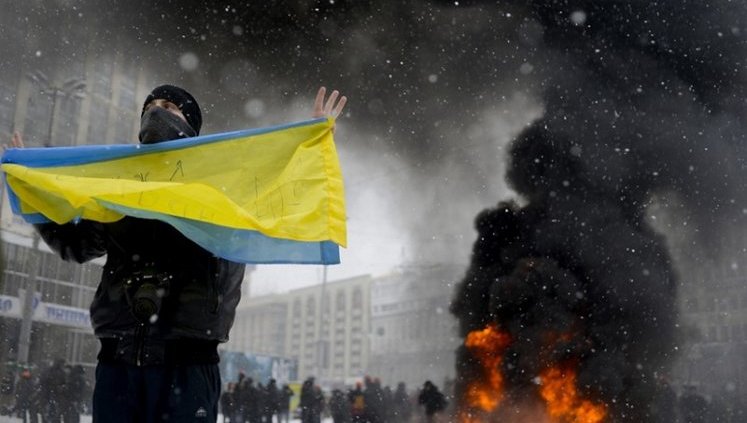
In a significant move, Ukraine's President Volodymyr Zelenskyy signed a law removing Russian language protection under the European Charter. This step underscores Ukraine's push to strengthen the role of its national language amidst ongoing tensions with Russia. The Verkhovna Rada also supports a resolution to affirm the Ukrainian language's role, while rejecting Russian in key charters. Language remains a nuanced issue in Ukraine, reflecting broader socio-political dynamics. The legislation aims to bolster state integrity, but also faces criticism and raises questions about minority language rights. This complex situation continues to unfold, affecting regional and international dialogues.
Why did Ukraine remove Russian language protection?
Ukraine removed Russian language protection as part of its strategy to emphasize the Ukrainian language in national identity. This legislative change aligns with the country's efforts to reinforce its sovereignty and cultural independence, particularly amid geopolitical tensions with Russia.
What is the European Charter for Regional or Minority Languages?
The European Charter for Regional or Minority Languages aims to protect and promote regional and minority languages as a valuable part of cultural heritage. By removing Russian language protection under this charter, Ukraine aims to prioritize its national language in public life and administration.
What impact does the new law have on Russian speakers in Ukraine?
The new law may impact Russian speakers by limiting the use of Russian in official settings and reducing its formal recognition. However, it primarily focuses on affirming Ukrainian as the state language, reflecting broader objectives towards cultural and national unification amid external pressures.
How has the international community reacted to Ukraine's language law change?
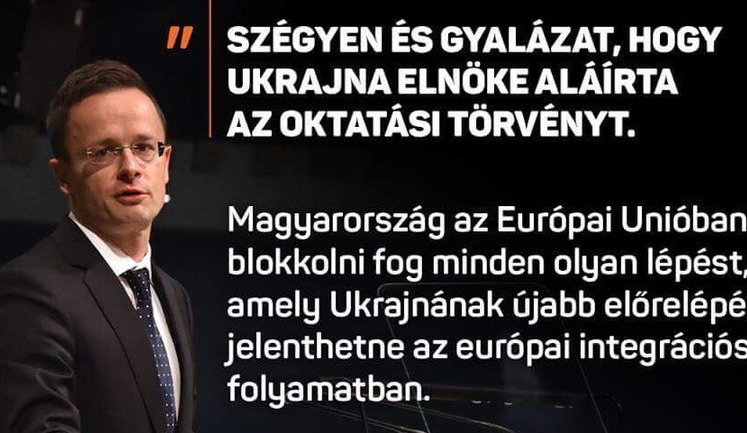
Reactions to Ukraine's language law change vary internationally. Some nations see it as a sovereign right to strengthen national identity, while others express concerns about the potential marginalization of minority communities, prompting ongoing diplomatic discussions and adjustments in policy.
What are the arguments for strengthening the Ukrainian language's role?
Proponents argue that strengthening the Ukrainian language bolsters national unity, cultural identity, and state sovereignty. It also seeks to counter external influences, particularly from Russia, and align with broader European standards on national language policies amidst geopolitical challenges.
Does the new legislation affect other minority languages in Ukraine?
While the legislation primarily targets the Russian language, it reflects a broader movement towards prioritizing Ukrainian. The impact on other minority languages will depend on subsequent policies and dialogue regarding cultural diversity and linguistic rights within Ukraine's legislative framework.
How does the new law relate to Ukraine's EU aspirations?
The new language law aligns with Ukraine's aspirations to integrate more closely with the European Union by adhering to principles of national unity and identity. It seeks to meet EU standards on state language policies, reflecting a commitment to align with Western political and cultural norms.