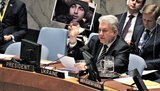
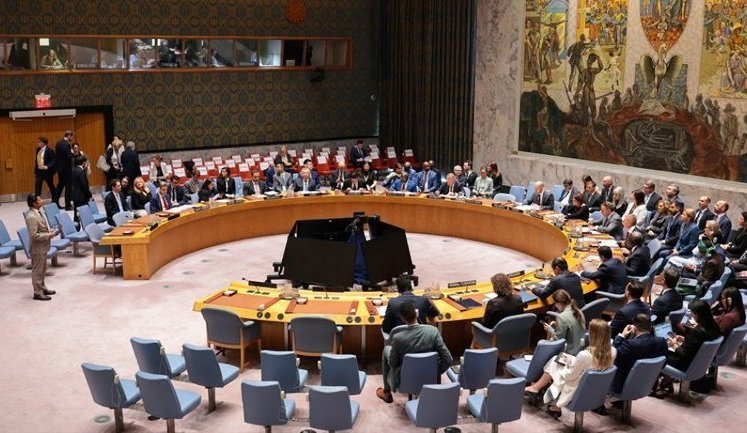
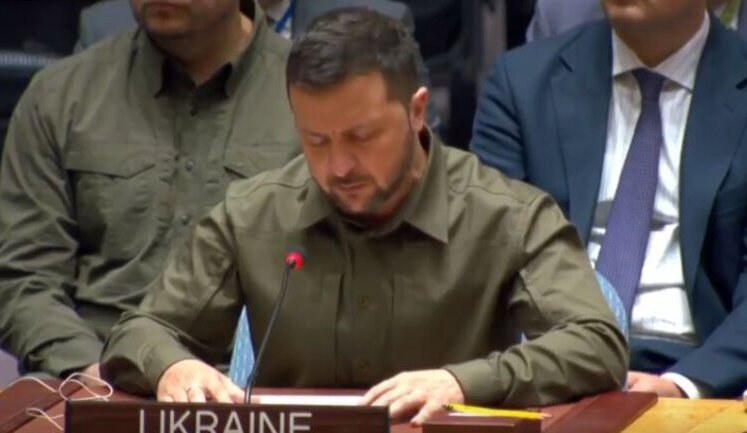
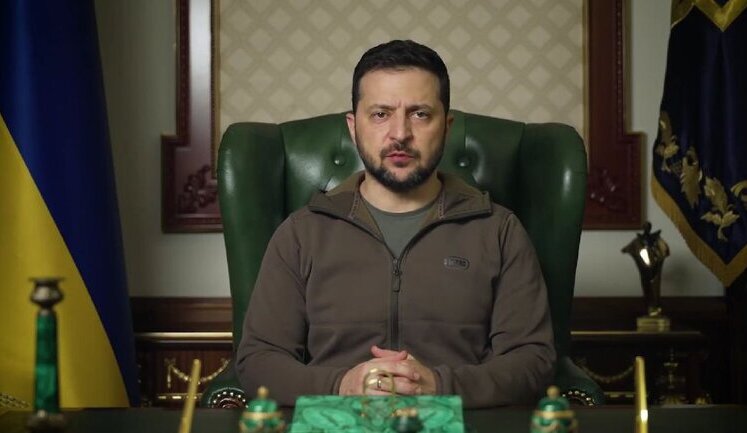
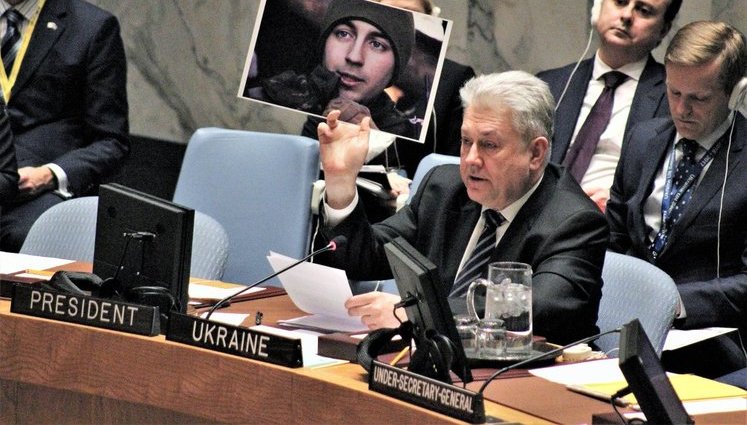
The UN Security Council remains at the center of global diplomatic efforts, including intense debates over Russia's actions in Ukraine. Recent sessions spotlighted the continued conflict, with the US urging member states to halt aid to Russia. The council faces challenges with Russia and China's attempt to block sanctions against Iran. Ukraine persistently calls for stricter sanctions and refuses to concede territory, emphasizing an immediate ceasefire. Tensions arose as Russia's envoy branded Ukrainians as expendable. These dynamic interactions reflect the council's pivotal role amid global security discussions and potential reforms to handle modern geopolitical crises effectively.
What is the main role of the UN Security Council?
The UN Security Council is tasked with maintaining international peace and security by addressing conflicts, imposing sanctions, and authorizing military interventions when necessary. It plays a crucial role in fostering diplomatic dialogue to resolve international disputes and facilitating actions to maintain or restore international peace and security.
What recent challenges has the UN Security Council faced?
The UN Security Council has recently faced challenges such as the ongoing conflict between Russia and Ukraine, efforts to impose sanctions on nations like Iran, and the criticism of being outdated due to veto power issues and permanent membership controversies. These highlight the council's difficulty in achieving consensus on critical global issues.
How does the veto power impact the UN Security Council's effectiveness?
Veto power, held by five permanent members (China, France, Russia, United Kingdom, United States), allows any of these nations to block resolutions, significantly impacting the council's ability to act decisively. Critics argue that this power can paralyze the council, as members may use it to protect national interests, hindering global peace initiatives.
What are the implications of Russia and China blocking sanctions on Iran?
When Russia and China block sanctions on Iran, it underscores the complexities of international diplomacy and geopolitical alliances within the UN Security Council. Such actions reflect broader strategic interests and can prevent unified responses to perceived threats, impacting global efforts to manage peace and security issues.
Why is there a call to reform the UN Security Council?
Reform calls stem from the need to enhance the UN Security Council's effectiveness, accountability, and representation of global realities. Critics highlight the veto system as a key barrier to action and argue for restructuring to prevent power concentration among permanent members, thereby improving its ability to address contemporary challenges.
Has the UN Security Council taken actions regarding Russia's conflict with Ukraine?
The UN Security Council has held numerous meetings to discuss Russia's conflict with Ukraine, focusing on ceasefire calls and condemning aggressive actions. However, the council's actions are often stalled by vetoes, particularly from Russia, which is a permanent member, complicating efforts for resolutions addressing the conflict.