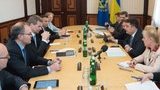
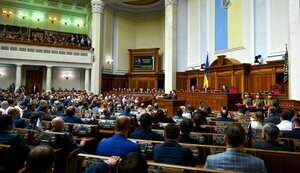
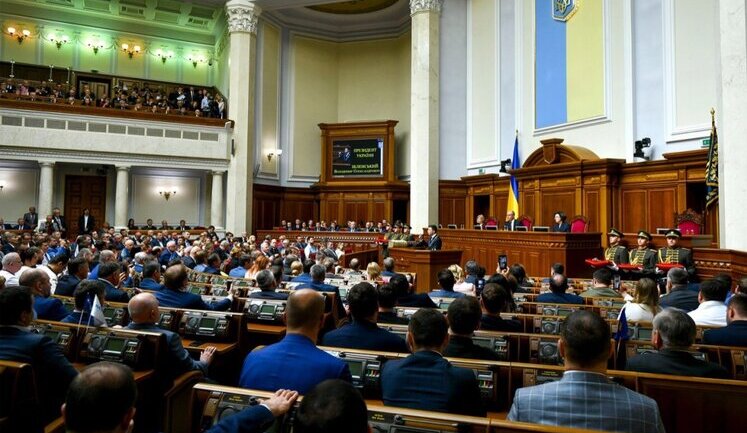
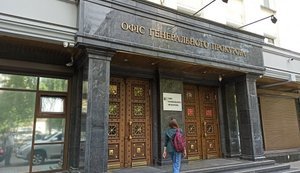
Ukraine's reform efforts in 2026 are decisive for securing financial aid and advancing towards European Union membership. Key areas include defense overhaul, legal adjustments such as NABU and SAPO updates, and anti-corruption measures. The EU has allocated nearly 3 billion euros contingent on reform accomplishments, urging swift implementations. President Zelenskyy prioritizes these changes to align with EU standards, addressing both domestic and international challenges. Ongoing reforms in the military, education, and financial sectors are also instrumental in ensuring Ukraine's stability and integration into European frameworks.
What are the main areas of reform Ukraine is focusing on?
Ukraine is zeroing in on reforms in defense, legality, and anti-corruption. These include reformation of the military structure, enhancement of defense logistics, and legal adjustments to agencies such as NABU and SAPO to align with EU demands and secure financial and structural aid.
Why are Ukraine's reforms crucial for EU integration?
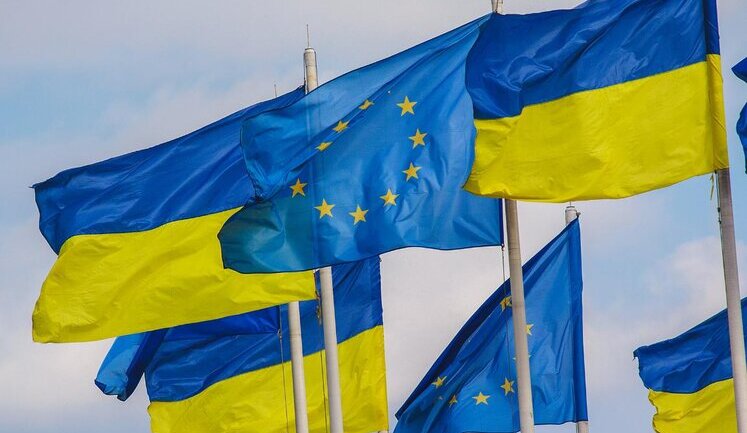
Reforms are essential for Ukraine's EU integration as they fulfill prerequisites set by the EU for membership candidacy. Addressing legal, financial, and defense reforms ensures adherence to EU standards, promoting economic stability and governance alignment with European norms, pivotal for receiving financial aid.
What financial aid is linked to Ukraine's reform agenda?
The EU has linked nearly 3 billion euros to Ukraine's reform compliance under the Ukraine Facility program. Successful implementation of stipulated reforms guarantees continued financial support, critical for Ukraine's economic and governance stability during its EU integration process.
How does the EU view Ukraine's progress on reforms?
The EU acknowledges Ukraine's commitment but emphasizes the need for swift implementation of mandated reforms. Although progress has been made, the EU highlights the importance of continued reform momentum, particularly in defense restructuring and anti-corruption, critical for future aid and integration.
What are the consequences of delayed reforms in Ukraine?
Delayed reforms risk the suspension of financial support from the EU, impacting Ukraine's economic stability and integration prospects. Disruptions in reform momentum can lead to financial aid reductions, such as the recent threat of losing 250 million euros due to unmet reform benchmarks.
How do reforms affect the military sector in Ukraine?
Military reforms aim to streamline command structures, enhance accountability, and optimize resource allocation. These changes are key to improving operational effectiveness and are pivotal for maintaining EU support, assuring that military enhancements align with broader European defense standards.
What role does the legal system play in Ukraine's reform agenda?
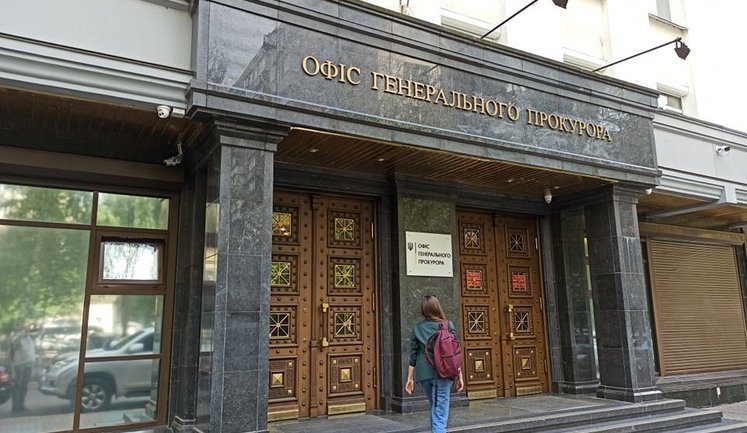
The legal system's reform, particularly with agencies like NABU and SAPO, is integral to meeting anti-corruption benchmarks set by the EU. Legislative refinements are critical in showcasing Ukraine's commitment to democratic values, fostering EU trust, and encouraging further financial and political support.
How are education reforms contributing to Ukraine's transformation?
Educational reforms focus on modernizing curricula and teaching approaches to eliminate outdated practices. These efforts are vital in developing a skilled workforce and ensuring societal advancement aligns with broader transformational goals, crucial for meeting EU standards in governance and economic progress.
What specific military reforms are being implemented in Ukraine?
Current military reforms include restructuring the Territorial Recruitment Centres, increasing allowances, and standardizing service terms. These changes aim to improve troop morale and effectiveness while meeting international expectations, pivotal for ongoing EU support and advancing Ukraine's defense capabilities.
How is Ukraine's commitment to anti-corruption reforms being evaluated?
Ukraine's anti-corruption efforts are scrutinized by the EU as part of its reform conditions. Enhanced transparency and accountability in agencies like NABU and SAPO are critical metrics. Persistent progress is necessary to ensure continued support and partnership opportunities for EU integration.