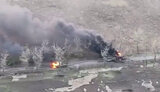
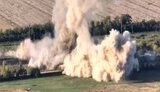
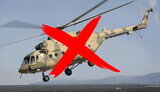
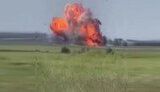
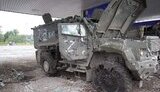
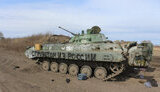
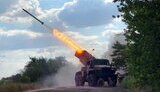
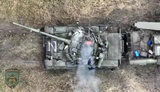
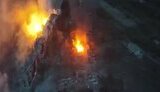
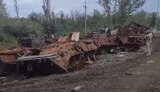
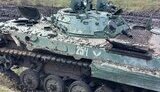
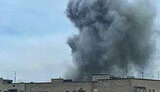
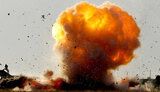
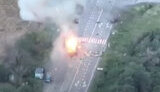
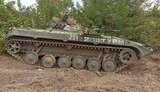
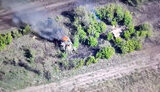
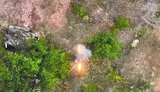
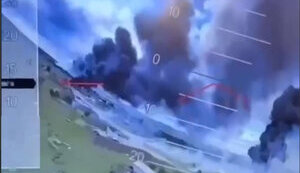
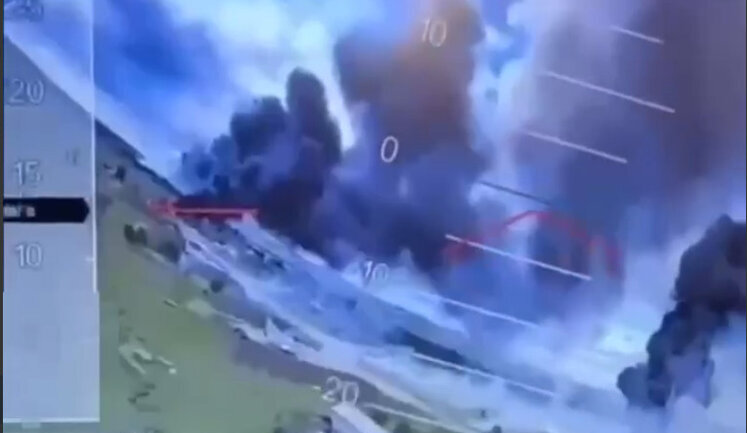
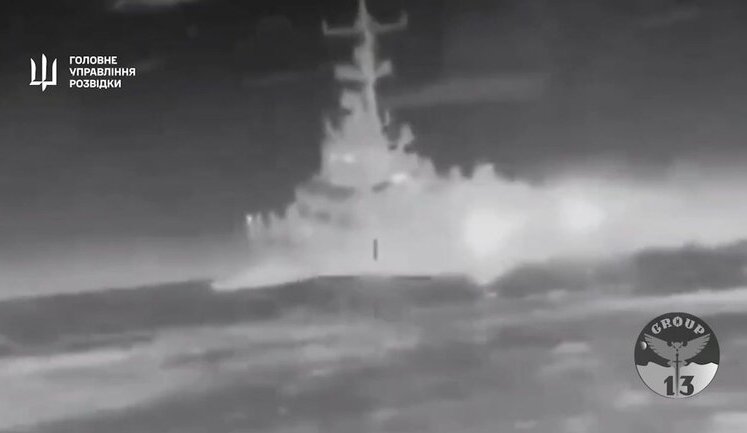
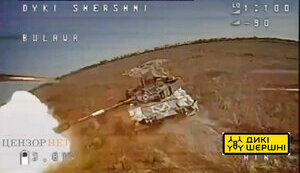
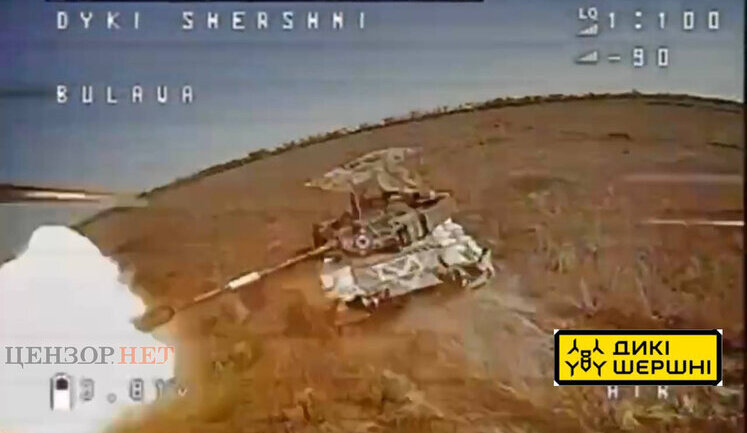
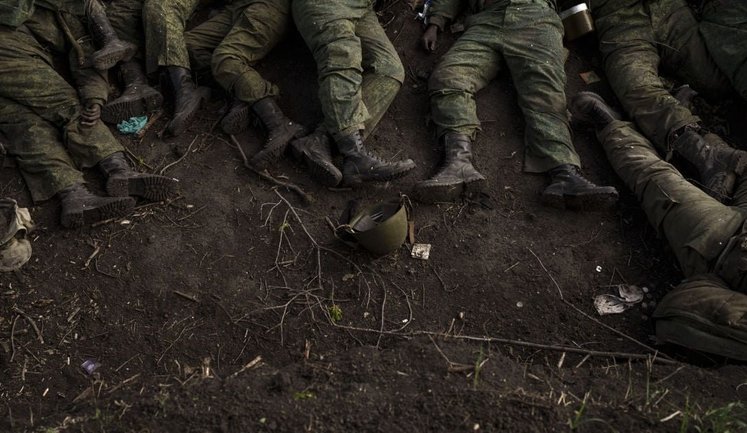
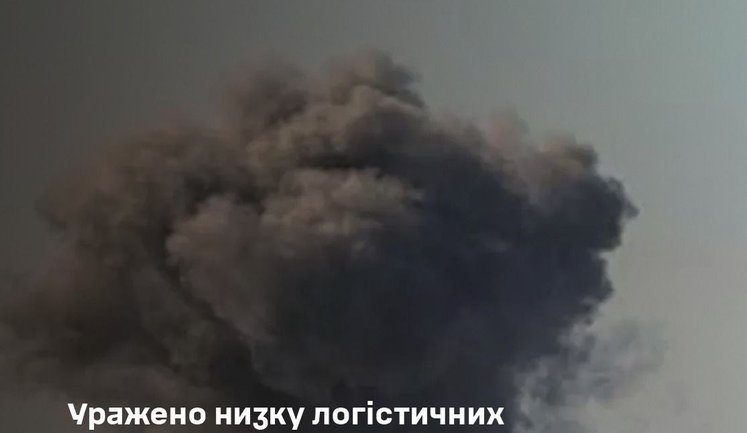
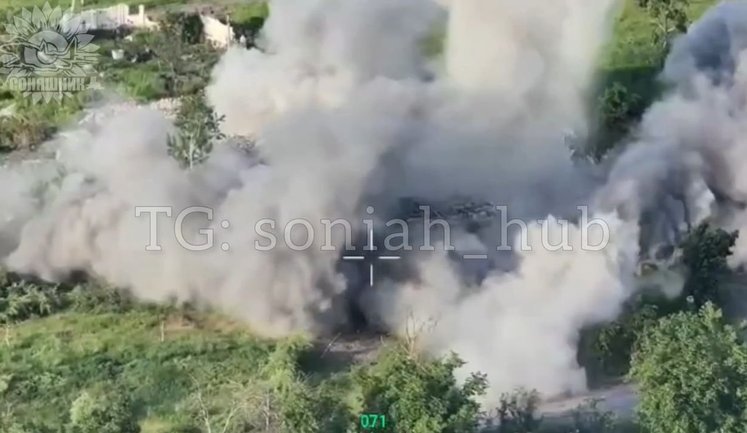
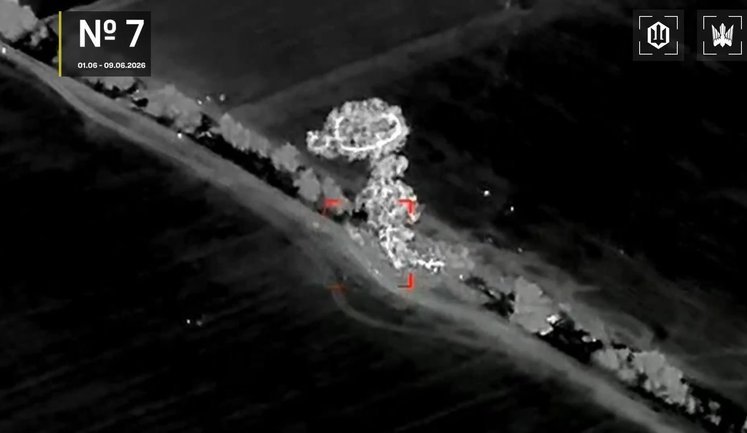
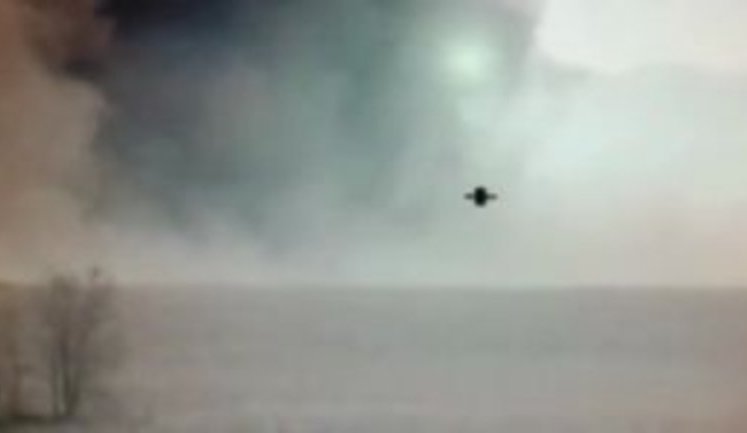
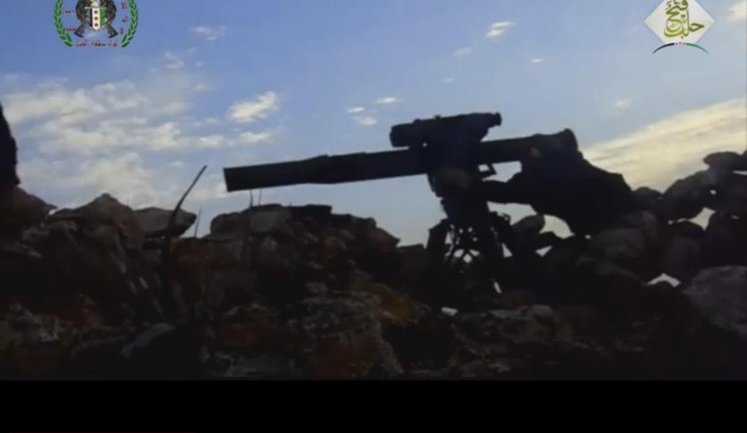
Ukrainian forces, utilizing strategic elimination tactics, have significantly disrupted Russian military operations. The 1st Corps of Ukraine's National Guard "Azov" reported 1,800 occupiers eliminated. MiG-29MU1 pilots executed precision air strikes on Russian bases, destroying enemy infrastructure. Additionally, drone operators from the "CODE 9.2" unit carried out strikes on enemy logistics up to 150 kilometers behind front lines in Zaporizhzhia. Such aggressive tactics emphasize the operational focus on dismantling Russian capabilities. With drones and advanced weaponry, Ukraine's defense continues to mitigate enemy advances, targeting strategic assets with high precision.
What is the significance of elimination tactics in current warfare?
Elimination tactics are crucial in modern warfare as they allow military forces to incapacitate the enemy by systematically targeting key personnel, equipment, and infrastructure, creating strategic advantages on the battlefield and weakening enemy capabilities.
How have Ukrainian forces utilized drone technology effectively?
Ukrainian forces have harnessed drone technology to conduct precise strikes over long distances, disrupting Russian supply lines and destroying logistical assets. This has proven critical in applying pressure on enemy operations and maintaining strategic superiority.
How do precision air strikes contribute to military success?
Precision air strikes enhance military success by allowing forces to target and eliminate adversarial infrastructure with minimal collateral damage. They ensure swift, effective neutralization of strategic enemy positions, bolstering ground operations and morale.
What impact have Ukrainian drones had on Russian logistics?
Ukrainian drones have severely disrupted Russian logistics. By targeting supply columns and storage facilities, these unmanned systems have incapacitated resupply efforts, significantly degrading the operational capabilities of Russian forward units.
How do night operations affect the outcomes of armed conflicts?
Night operations provide a strategic advantage, allowing forces to conduct surprise attacks and maximize the element of surprise. By operating under cover of darkness, forces like Ukraine's SIGNUM battalion effectively diminish enemy resistance and control key areas.