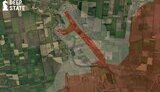
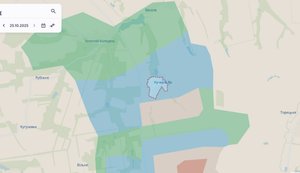
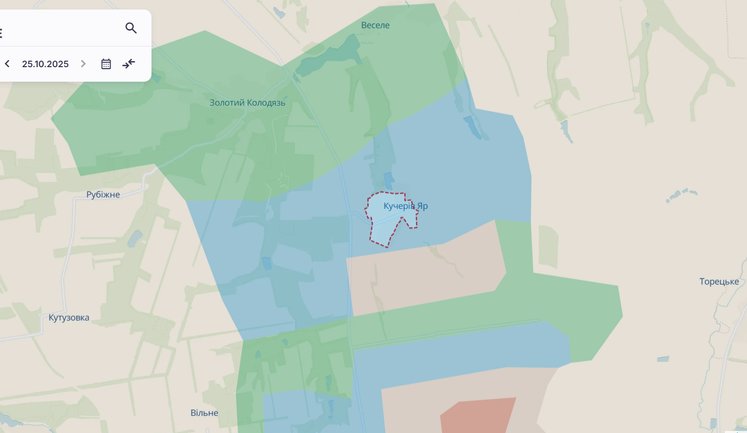
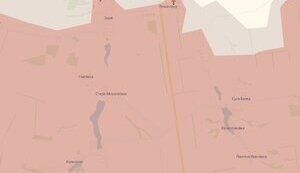
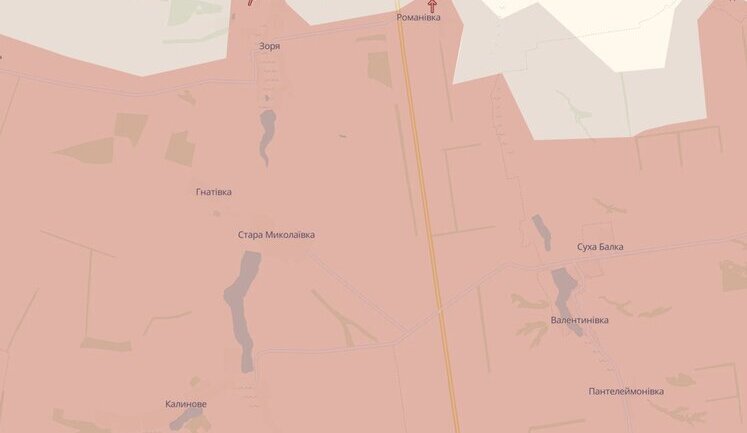
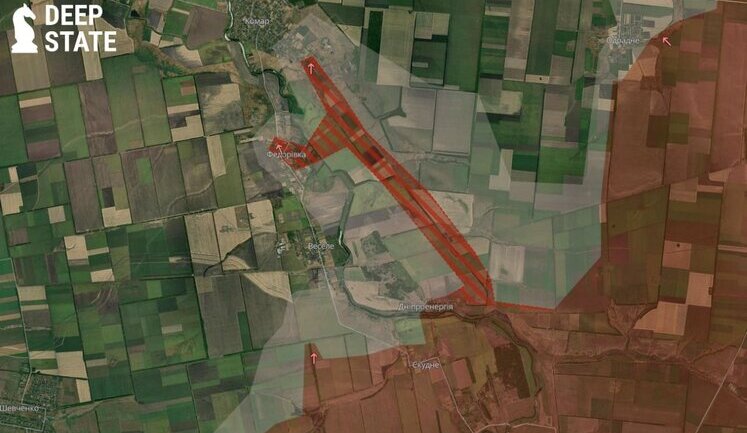
The situation in the Donetska region of Ukraine remains tense as Russian forces have identified and exploited a weak spot, advancing towards Fedorivka and Komar. Reports indicate that the occupation extends to Stara Mykolaivka and Hnativka. The region is witnessing increased military activity, highlighting strategic moves by the Russians who continue to establish control over key locations in the eastern part of Ukraine. Fedorivka, being a pivotal focal point, marks significant gains for Russian troops who continue to push deeper into Ukrainian territories.
What is the significance of Fedorivka in the current conflict?
Fedorivka is strategically significant due to its location in the Donetska region. Russian forces advancing towards it indicates potential for increased control and influence in eastern Ukraine, making it a critical focal point in the ongoing conflict.
Are the Russian forces still advancing towards other parts of Donetska region?
Yes, Russian forces continue to advance in the Donetska region. Aside from Fedorivka and Komar, they have also occupied Stara Mykolaivka and Hnativka, demonstrating a persistent push into the area as part of their broader strategic goals in eastern Ukraine.
What are the implications of these advances for Ukraine?
These advances by Russian forces in Donetska region significantly challenge Ukraine's defensive positions. It increases the pressure on Ukrainian forces to respond and strategize to prevent further territorial gains by Russian troops, making the region a flashpoint in regional security dynamics.
How have international bodies reacted to the developments in Donetska?
International bodies have expressed concern over the advances in Donetska region, emphasizing the need for diplomatic solutions and urging restraint. They have called for respect of Ukraine's sovereignty and continued attention to resolving the conflict through peaceful means.
What is the current status of Stara Mykolaivka and Hnativka in the conflict?
Stara Mykolaivka and Hnativka are currently occupied by Russian forces. Their occupation signifies an extension of Russian military influence within the Donetska region, contributing to the complexity of the military situation in eastern Ukraine.