In recent years, train cars have been at the center of multiple significant events. In the Kyiv region, an emergency occurred near Boyarka, prompting Ukrzaliznytsia to respond swiftly. Across the border, a derailment involving 19 train cars was reported in Russia's Ryazan region, attributed to track sabotage. Furthermore, Finland, acting under EU sanctions, seized over 800 Russian freight cars. Meanwhile, the U.S. faced its own challenges as traders resorted to using railcars for oil storage amid record high inventories. These instances underscore the critical role of rail transportation in geopolitical and economic landscapes.
What are the recent incidents involving train cars in Ukraine?
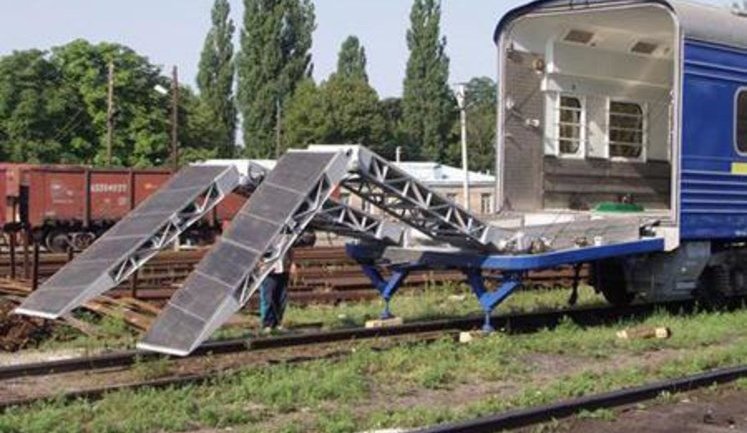
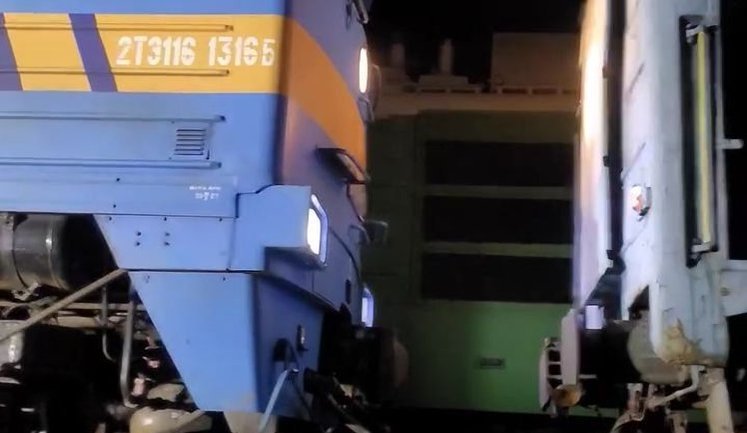
Recently, there was a significant incident near Boyarka in Ukraine where an emergency response was needed. Ukrzaliznytsia has released footage depicting the consequences of this event. Such occurrences highlight the challenges faced by Ukrainian rail systems amidst ongoing regional tensions.
How have EU sanctions affected Russian train cars?
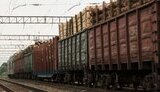
In compliance with EU sanctions, Finland seized over 800 Russian freight cars. This action reflects the wider geopolitical impact of sanctions on rail transportation, illustrating the intersection of international law and logistics in the rail industry.
What caused the derailment of train cars in the Ryazan region?
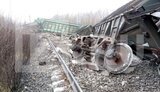
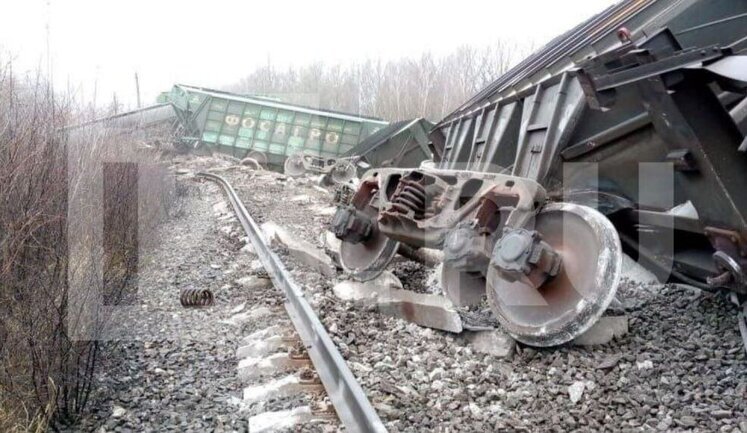
The derailment of 19 train cars in Russia's Ryazan region was reportedly caused by the undermining of a railway track. Such incidents underline the vulnerability of railway infrastructure to sabotage and geopolitical conflicts.
How are railcars used for oil storage in the United States?
In the United States, traders have turned to railcars as a solution for excess oil storage due to ultralow crude prices rendering traditional transport unprofitable. Railcars, traditionally used for transport, offer a temporary storage solution during periods of oversupply, reflecting innovative practices in resource management.
Why did Ukraine take legal action against Russia at the WTO?
Ukraine filed a lawsuit against Russia to the World Trade Organization regarding restrictions imposed on the export of railcars and related equipment. This legal action highlights the ongoing trade disputes influenced by political tensions between the two nations.