14570 visitors online
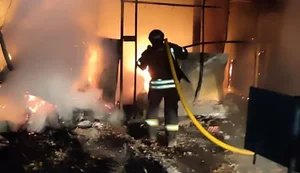
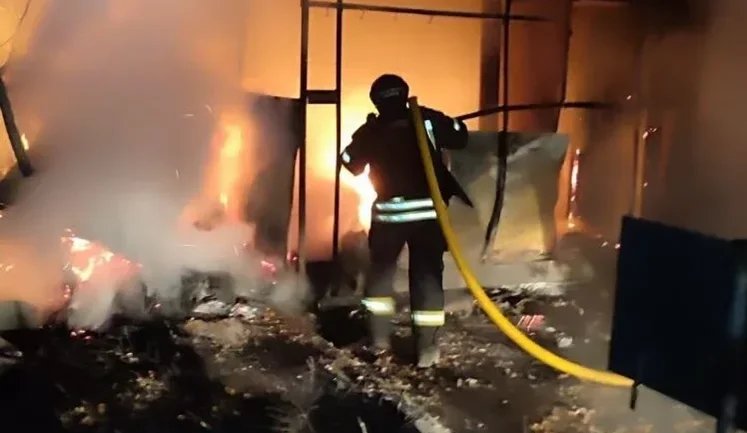
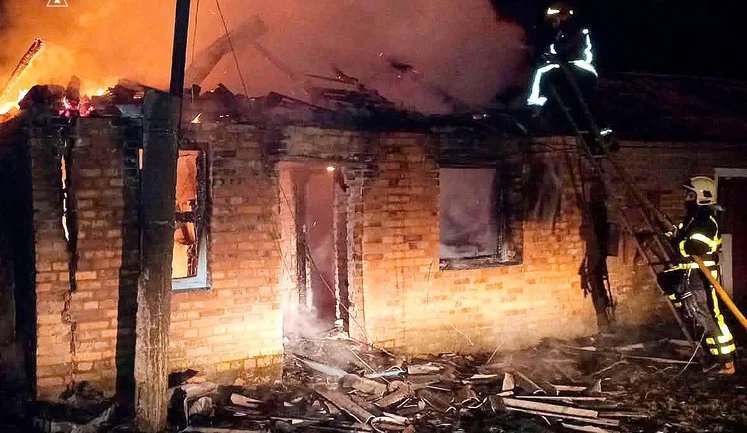
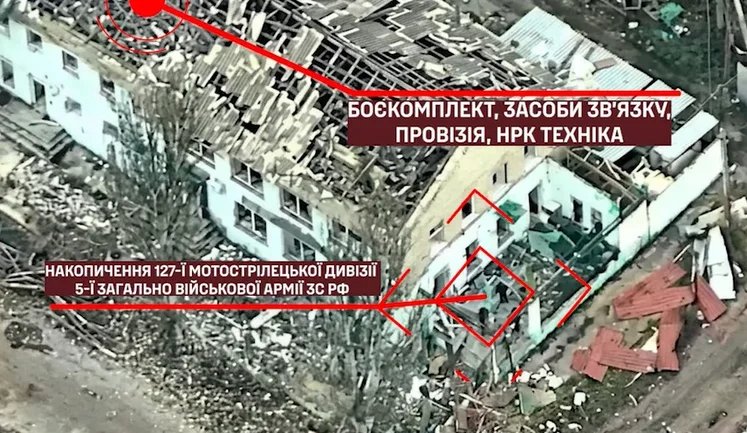
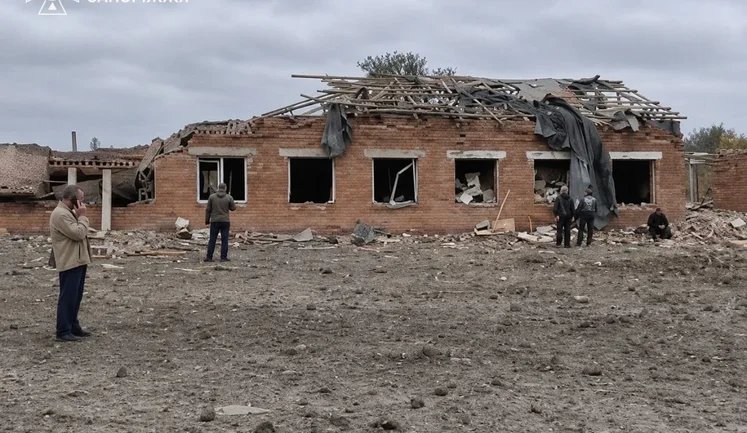
The Zaporizhzhia region in Ukraine has been a focal point of intense activity, facing recurrent Russian strikes leading to fatalities and widespread injuries. Recently, rescue operations have been in full swing, primarily in Komyshuvakha, where aerial bombs struck a school and humanitarian aid center, resulting in significant casualties. The ongoing conflict has made evacuation challenging, yet local authorities strive to maintain safety by imposing traffic closures on key infrastructures like bridges and the Dnipro HPP dam. The Defence Intelligence's combat operations in the region intensify as they release footage depicting engagements on the frontline. This relentless situation highlights the need for continued awareness and strategic responses amid the continual threats facing Zaporizhzhia.

What recent incidents have occurred in the Zaporizhzhia region of Ukraine?

Recent incidents in Zaporizhzhia include multiple Russian strikes causing casualties and infrastructure damage. Notably, a severe attack on Komyshuvakha resulted in numerous fatalities as bombs hit a school and a humanitarian aid center. Additionally, critical rescue operations are ongoing amid high-risk conditions.

Why are traffic closures being planned in the Zaporizhzhia region?

Traffic closures in Zaporizhzhia are being planned for safety reasons. Authorities aim to protect civilians and mitigate risks on essential infrastructural points, such as bridges and the Dnipro HPP dam, amid ongoing Russian military threats and combat operations.

How have Russian strikes impacted civilian life in Zaporizhzhia?

Russian strikes in Zaporizhzhia have critically impacted civilian life, leading to casualties, injuries, and destruction of homes and essential facilities. The dire situation compels local authorities to manage emergency responses and consider evacuations, though conditions are perilous.

What role does the Defence Intelligence play in the Zaporizhzhia region conflict?

The Defence Intelligence of Ukraine plays a crucial role in Zaporizhzhia by conducting frontline combat operations against Russian forces. They provide key intelligence and strategic support to counteract the advances and assaults from occupiers in the region.

What are the challenges faced by rescue teams in Zaporizhzhia?

Rescue teams in Zaporizhzhia face significant challenges, such as ongoing bombardments from Russian forces, the complexity of clearing debris while ensuring safety, and operational delays caused by repeated attacks on emergency responders, including those in Komyshuvakha.

How are local authorities addressing safety in response to ongoing threats in Zaporizhzhia?

Local authorities in Zaporizhzhia are taking measures like planning traffic closures, restricting access to vulnerable infrastructure, and organizing safety protocols to mitigate risk amidst the ongoing Russian military threats. These steps aim to safeguard civilian lives effectively.

show details

Articles Zaporizhzhia region

She took Akhmat fighter prisoner. How 118th Brigade soldiers rescued Mala Tokmachka’s last resident She took Akhmat fighter prisoner. How 118th Brigade soldiers rescued Mala Tokmachka’s last resident Mala Tokmachka in the Zaporizhzhia region had been in the grey zone for months. Svitlana stayed behind alone, by choice: she did not want to endanger the soldiers who might evacuate her. She survived shelling, drone attacks, and tank fire. She lived in a basement, and the soldiers shared their food with her. 10 247 13 Previously in trend: Evacuation of the population from combat zones

"In six months’ time, we won’t be able to move around front line unnoticed at all," — Oleksii Shuhailo, commander of 132nd Reconnaissance Battalion of Airborne Assault Forces "In six months’ time, we won’t be able to move around front line unnoticed at all," — Oleksii Shuhailo, commander of 132nd Reconnaissance Battalion of Airborne Assault Forces "It is unlikely that the enemy will advance on Zaporizhzhia," says Oleksii Shuhailo, commander of the 132nd Separate Reconnaissance Battalion of the Airborne Assault Forces. What is the actual situation on the Zaporizhzhia front, and is there a threat of a breakthrough into the city? How did the reconnaissance battalion’s soldiers manage to carry out a unique operation in the Kucheriv Yar area and capture 101 Russian soldiers at once? What actually happened during the so-called Dobropillia breakthrough, and how did the Airborne Assault Forces thwart the enemy’s large-scale plan to encircle Sloviansk and Kramatorsk? 17 365 3

Commander of 3rd Battalion of 225th Separate Assault Regiment Ivan Kozin (Kotelva): 225th Regiment saved Zaporizhzhia, while enemy lost two fully staffed regiments near Huliaipole Commander of 3rd Battalion of 225th Separate Assault Regiment Ivan Kozin (Kotelva): 225th Regiment saved Zaporizhzhia, while enemy lost two fully staffed regiments near Huliaipole There is much discussion today about assault regiments and whether the army needs them. President Zelenskyy created the Joint Rapid Reaction Forces within the Ground Forces, comprising five assault regiments: the 1st, 33rd, 210th, 225th and 425th. Dmytro Voloshyn was appointed their commander, an officer who served in the Anti-Terrorist Operation and fought in Huliaipole, Bakhmut, Kherson and the Kursk operation, and who commanded the 82nd Separate Air Assault Brigade. We spoke with Ivan Kozin (Kotelva), commander of the 3rd Battalion of the 225th Separate Assault Regiment. In 2025, this regiment eliminated more than 14,000 Russian troops and remains one of the most effective units in the Armed Forces of Ukraine. Kotelva is a Hero of Ukraine and the only Ukrainian serviceman to have been awarded the Cross of Military Merit three times. In the interview, he spoke about the fighting in the Zaporizhzhia sector, Russian crimes, the effectiveness of the 225th Separate Assault Regiment and the challenges facing assault regiments. 14 587 22

Clearing operation and capture of prisoner in Mala Tokmachka: account by Deputy Commander of 3rd Battalion of 123rd TDF Brigade Clearing operation and capture of prisoner in Mala Tokmachka: account by Deputy Commander of 3rd Battalion of 123rd TDF Brigade Over the past year, a commander of the 123rd Territorial Defense Forces (TDF) Brigade has carried out dozens of combat missions to Mala Tokmachka, taken part in clearing operations, captured occupiers, evacuated the wounded, and supplied infantry with ammunition and provisions, while after missions he fed dogs and cats abandoned in the village. In the interview, the officer speaks about the most dangerous operations, enemy losses, his family, and explains why being "written off" is not yet an option for him. 4 702 5 Previously in trend: captured occupiers Fightings in the Zaporizhzhia direction

Disconnection of Starlinks to ruscists: number of assaults and intensity of fire have decreased Disconnection of Starlinks to ruscists: number of assaults and intensity of fire have decreased "I was driving along the road to Pavlohrad and saw four burned-out cars near Petropavlivka. These are either Russian ’Molniya’ missiles carried by a drone mother ship, or enemy FPVs striking from a greater distance," my military correspondent adds to these words, as he drives past another burned-out car. 6 333 17 Previously in trend: Fightings in the Zaporizhzhia direction Blocking Starlink to occupiers

Command post in Huliaipole: 17 of our fighters against three Russians Command post in Huliaipole: 17 of our fighters against three Russians Censor.NET warned back in early December that the city was under threat. And, unfortunately, it was right. As of now, the enemy has already entered Lyman. Soon, there could be so many enemy troops there that it would be difficult to dislodge them. 33 695 35 Previously in trend: Fighting in Huliaipole direction False reports on the frontline situation Capture of Ukrainian cities

"On first day of war, there were no weapons, uniforms were burned. It was chaos" - Colonel of MIA Oleksandr Panchenko "On first day of war, there were no weapons, uniforms were burned. It was chaos" - Colonel of MIA Oleksandr Panchenko What happened in Zaporizhzhia in the first days of the full-scale invasion, how many law enforcement officers remained in the occupied territory and why? ATO veteran and retired MIA Oleksandr Panchenko told about this and more. In the program "Who is with Miroshnychenko?" you will find out whether they had weapons and the ability to defend the territories, why the uniforms of the security forces were burned, and what the outcome of a full-scale Russian-Ukrainian war could be. 20 753 45 Previously in trend: Russian aggression against Ukraine War