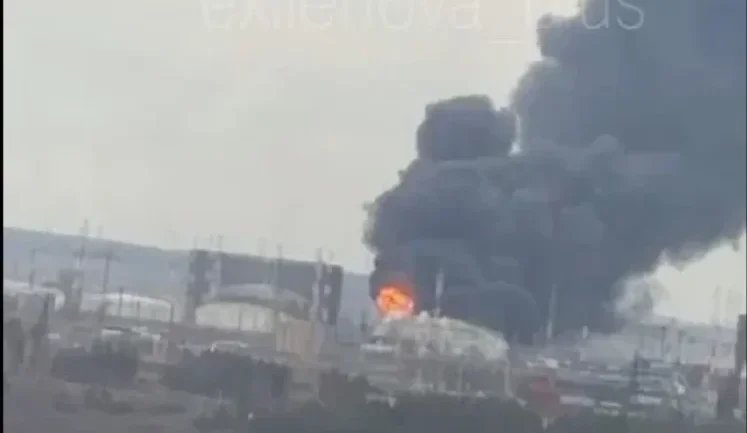
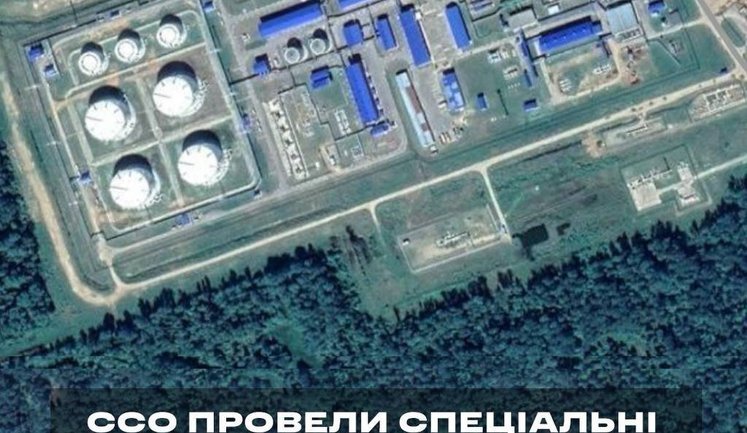
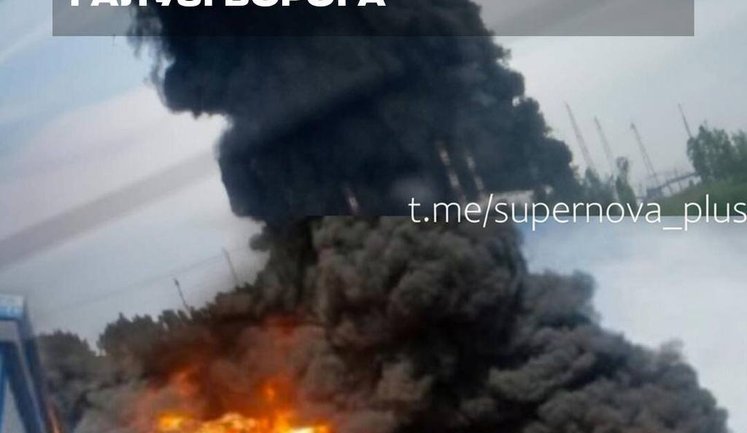
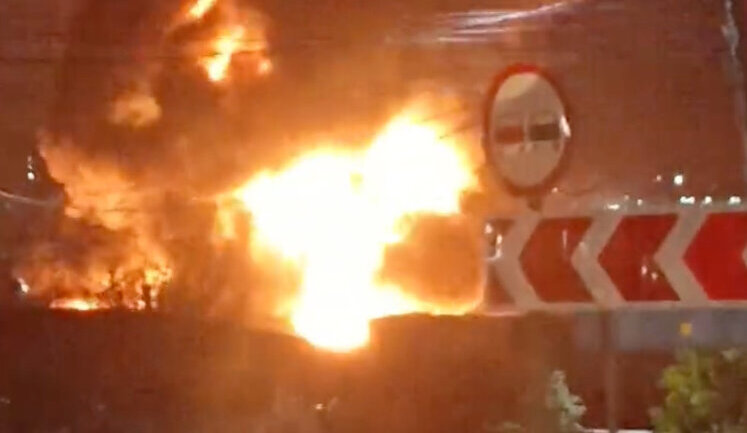
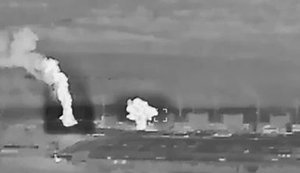
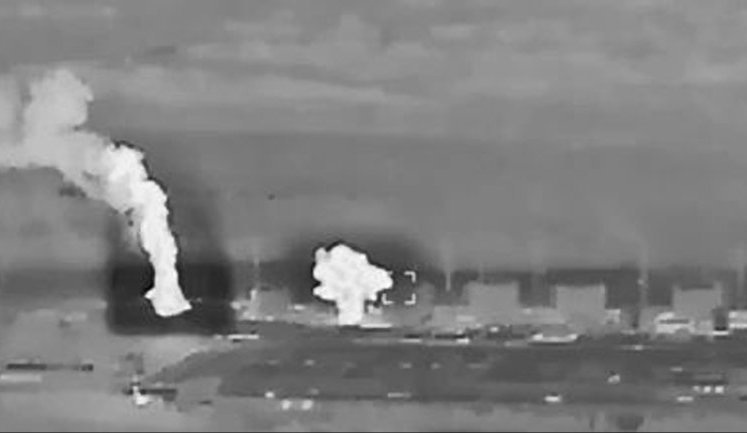
Recent incidents involving oil pipelines have underscored ongoing geopolitical tensions. Ukrainian Armed Forces confirmed a strike on the Kaleikino oil pumping station in Tatarstan, while Special Operations Forces successfully targeted the Palkino station in the Yaroslavl region. These attacks are part of a broader strategy involving coordinated efforts with insurgent movements. Meanwhile, the Druzhba pipeline, a vital oil transit route, remains a focal point of contention, with Hungary demanding its restoration in exchange for financial support. This situation not only affects energy security across Europe but also stresses diplomatic relations, as Ukraine faces pressure from various European countries to resume oil flows.
What caused the recent tension over oil pipelines?
The recent tension over oil pipelines is primarily due to strategic strikes by Ukrainian forces on Russian facilities, affecting regions like Tatarstan and Yaroslavl. These actions have heightened geopolitical strains, with impacts on energy security and diplomacy within Europe.
How are the drone strikes affecting Russian oil infrastructure?
Drone strikes by Ukrainian Special Operations Forces have significantly disrupted Russian oil infrastructure by targeting crucial sites like the Kaleikino and Palkino oil pumping stations. These strikes aim to weaken Russia's logistical and energy capabilities, causing regional instability.
What is the status of the Druzhba oil pipeline?
The Druzhba oil pipeline's status is at the center of international discussions. Repairs have been completed, but political tensions, particularly involving Hungary's demands, complicate its operational resumption. Ukraine's strategic use of this pipeline influences regional energy negotiations.
How is Hungary involved in the oil pipeline negotiations?
Hungary is heavily involved in the oil pipeline negotiations, pressing Ukraine to restore the Druzhba pipeline’s operations in return for unblocking financial aids. Hungarian Prime Minister Viktor Orbán has made these demands a priority, linking them to broader EU energy security discussions.
What impact do the pipeline strikes have on international relations?
The strikes on oil pipelines are exacerbating international relations by impacting energy security and creating diplomatic rifts. The situation pressures Ukraine amidst increasing demands from European allies, such as Hungary and Slovakia, to ensure consistent oil supply routes through the region.
Does the European Union support the resumption of the Druzhba pipeline?
The European Union, along with countries like Slovakia, is advocating for the resumption of oil transit via the Druzhba pipeline. Discussions focus on balancing energy needs with ongoing political tensions, with EU officials urging negotiations between involved parties to stabilize the situation.