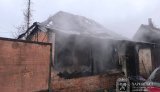
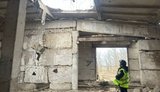
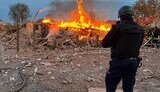
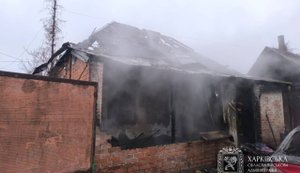
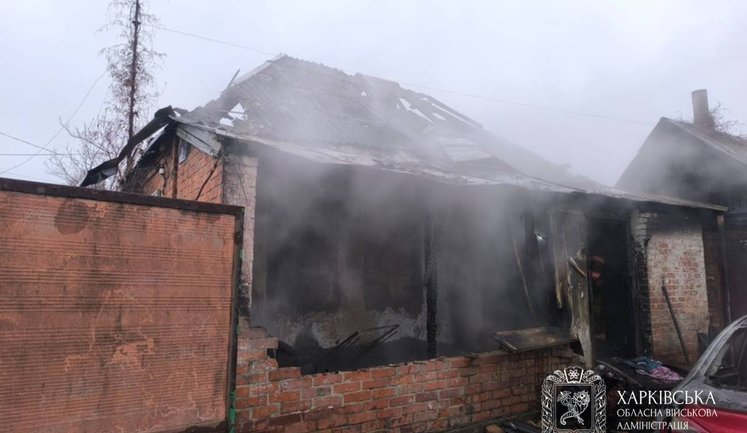
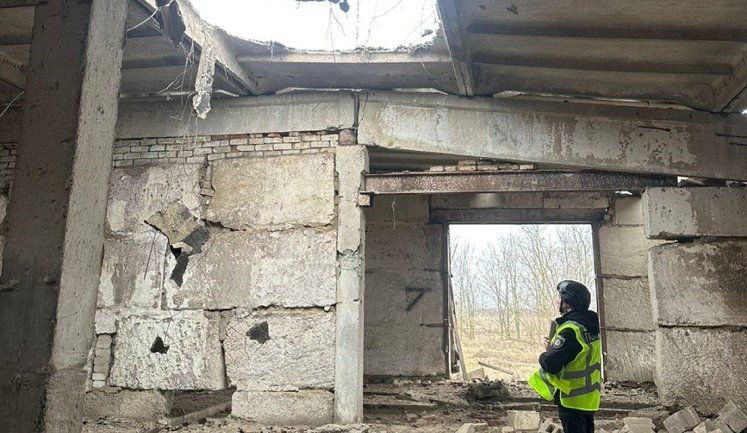
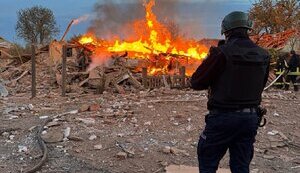
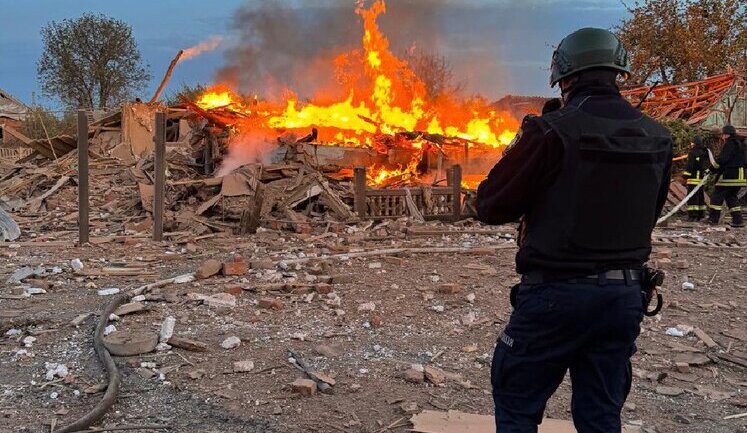
The Tsyrkuny area in Kharkivskyy district has been significantly affected by recent enemy shelling. Russian forces used guided aerial bombs and UAVs, targeting civilians across multiple districts including Kupiansk and Izium. These attacks left a trail of destruction in the Kharkivska region, severely impacting the local populace. Tsyrkuny, known for its cultural heritage, now stands witness to the resilience of its residents who face daily challenges amidst ongoing conflict. Images from the region depict damaged infrastructure and highlight the urgent need for humanitarian aid and international support.
What areas were impacted by enemy shelling in Kharkivska region?
The areas impacted include Kupiansk, Izium, Kharkiv, Bohodukhiv districts, and specifically Tsyrkuny in the Kharkivskyy district. These areas experienced severe shelling affecting civilian life and infrastructure.
What types of weaponry were used in shelling Tsyrkuny?
In Tsyrkuny, the Russian occupiers utilized guided aerial bombs and UAVs to conduct the shelling. This advanced weaponry led to substantial damage and underscored the ongoing threats faced by the residents in the area.
How has the community in Tsyrkuny responded to the shelling?
The community in Tsyrkuny has shown remarkable resilience despite the destruction. Residents are actively seeking humanitarian aid while attempting to rebuild their lives under challenging circumstances, demonstrating solidarity and courage.
What kind of damages occurred in Tsyrkuny due to the shelling?
The shelling in Tsyrkuny caused extensive damage including shattered buildings, destroyed homes, and damaged public infrastructure. The attack severely disrupted daily life and created a need for immediate relief and reconstruction efforts.
What assistance is available for the affected regions in Kharkivska?
The affected regions, including Tsyrkuny, are receiving some aid from local and international organizations. Efforts are focused on delivering essential supplies, medical care, and facilitating the rebuilding of critical infrastructure to support the recovery process.