The Baltic Sea has emerged as a hotspot of geopolitical tension, with increasing activities involving NATO and Russian forces. This strategic region has seen a rise in military encounters, including Russian fighter jets overflying German and Polish assets, adding to regional security concerns. The EU announced plans to bolster infrastructure protection amid threats from Russia’s "shadow fleet." Recent developments include the detention of the cargo ship Fitburg for allegedly damaging a Finland-Estonia cable. Amidst this tense backdrop, Ukrainian official Valerii Zaluzhnyi has stated Ukraine's dissociation from the Nord Stream explosion, calling it a politically charged issue.
What incidents have increased tensions in the Baltic Sea?
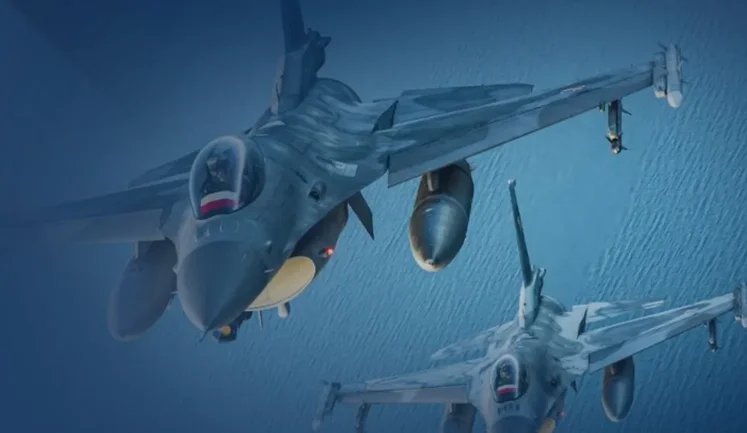
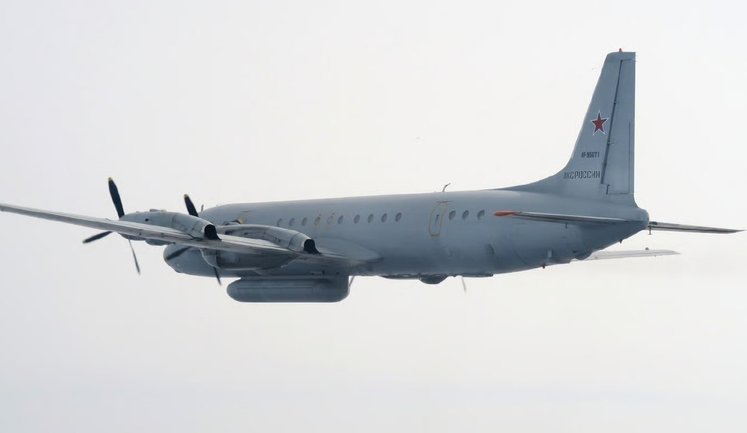
Tensions in the Baltic Sea have escalated due to various incidents including Russian overflights of NATO assets, such as a German frigate and a Polish oil platform. These provocations highlight the area's growing strategic importance and the confrontational postures taken by both NATO and Russia, leading to heightened regional security concerns.
How is the EU responding to Baltic Sea security threats?
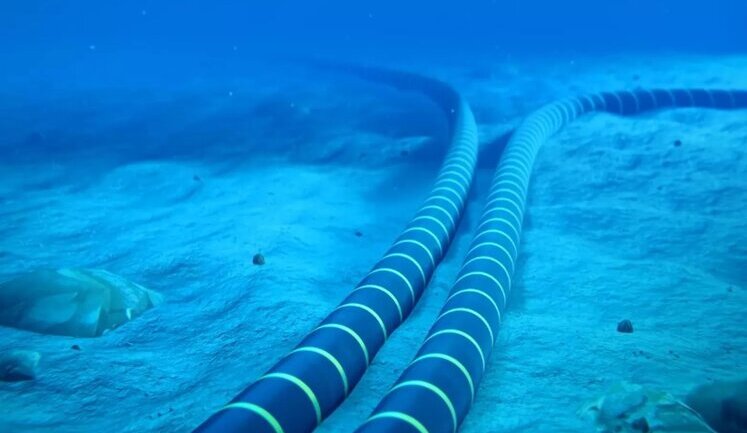
The EU is taking proactive measures to strengthen its critical infrastructure defenses in the Baltic Sea. This includes investments in new underwater cables and strategic countermeasures against Russia's so-called "shadow fleet," demonstrating a commitment to securing communication lines and deterring potential threats to regional stability.
What is the significance of the Nord Stream explosion controversy?
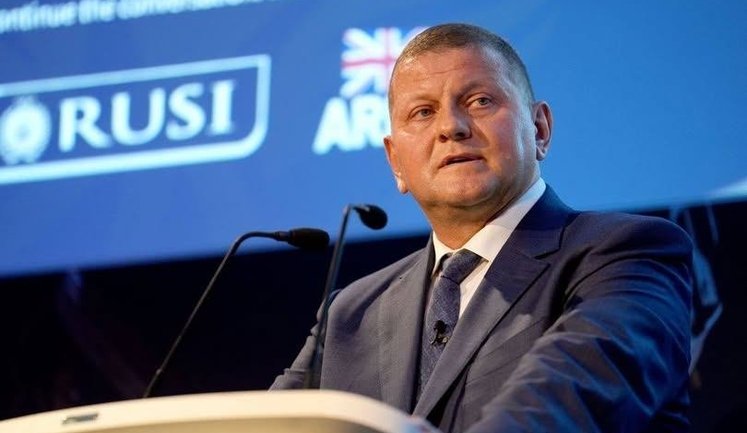
The explosion of the Nord Stream pipelines in the Baltic Sea has become a politically sensitive issue, with allegations flying around about responsibility. Ukrainian official Valerii Zaluzhnyi has expressly denied any Ukrainian involvement, although the topic continues to fuel geopolitical tensions and underscore the complex energy dynamics of the region.
Why was the cargo ship Fitburg detained in the Baltic Sea?
The cargo ship Fitburg was detained by Finnish authorities on suspicion of damaging an underwater telecommunications cable between Finland and Estonia in the Baltic Sea. This incident not only raises questions about maritime security in the region but also underscores the fragile nature of international communications infrastructure in these contentious waters.
How has Russia's military activity evolved in the Baltic Sea?
Russia's military presence in the Baltic Sea has become increasingly pronounced, with heightened activity reported by several NATO countries. This includes airspace violations and aggressive maneuvers that escalate tensions with NATO forces, reinforcing the area's role as a key focal point in the ongoing power struggle between Russia and Western alliances.