Sergei Naryshkin, the Director of Russia's Foreign Intelligence Service, has made headlines with his provocative statements concerning NATO and Ukraine. Naryshkin insisted that Poland and the Baltic states would be the first to endure consequences in any NATO aggression against Russia and Belarus, emphasizing their role as 'provocateurs'. His remarks have stirred a forceful response from Polish President Andrzej Duda, who accused Russia of aggression. In ongoing discussions, a peace agreement in Ukraine demands acknowledgment of Russian borders and Ukraine’s non-nuclear status. Conversations with US CIA Director John Ratcliffe about reducing Moscow-Washington tensions further underscore the escalating geopolitical stakes involving Naryshkin.
What did Sergei Naryshkin say about NATO and its allies?
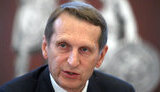
Sergei Naryshkin accused NATO and allies such as Poland and the Baltic states of being provocateurs, warning that they would be the first to face consequences in any aggression against Russia and Belarus. His comments have been perceived as threats, escalating tensions with these NATO members.
How did Polish President Duda respond to Naryshkin's threats?
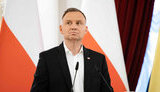
Polish President Andrzej Duda responded by accusing Russia of being the aggressor, pushing back against Sergei Naryshkin's threats toward Poland and Baltic states. Duda's response highlights the tension between NATO countries and Russia regarding perceived aggression.
What are the conditions for peace in Ukraine according to Naryshkin?
According to Sergei Naryshkin, a peace agreement in Ukraine requires recognition of Russia's borders and ensuring Ukraine's non-nuclear status. These conditions are part of broader geopolitical maneuvers between Russia and Ukraine, aiming to address ongoing conflicts.
What major topics did Naryshkin discuss with the CIA?
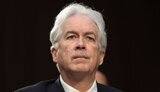
Sergei Naryshkin discussed reducing confrontation between Moscow and Washington and potential cooperation with US CIA Director John Ratcliffe. These discussions highlight continuing efforts to manage tensions between Russian and US intelligence services despite broader geopolitical conflicts.
What has been the reaction to Naryshkin's accusations of a new cold war?
Sergei Naryshkin's accusations that Western countries are initiating a new cold war have been met with significant concern from Western nations. His statement underscores rising tensions and distrust between Russia and the West, with historical lessons being invoked in the discourse.