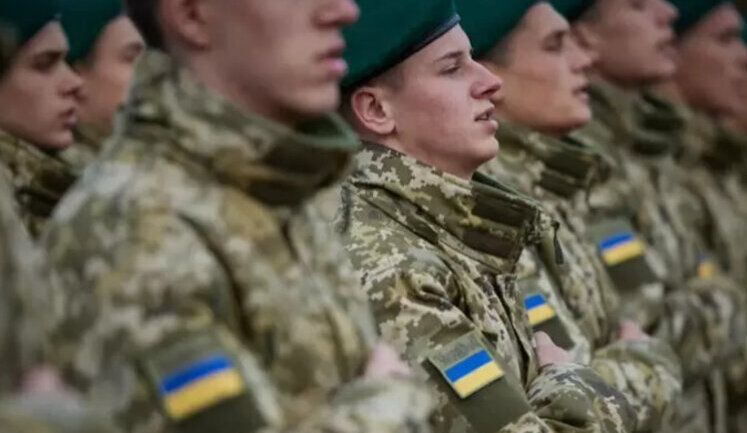
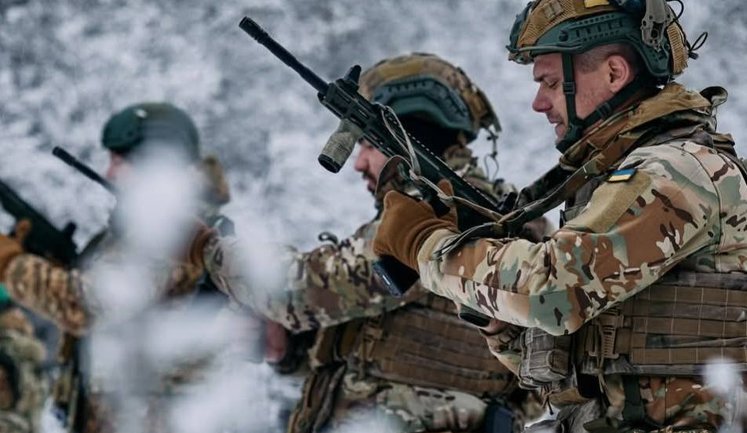
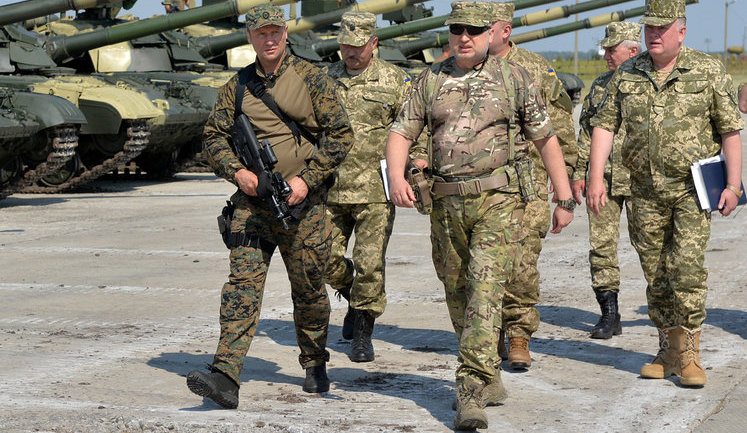
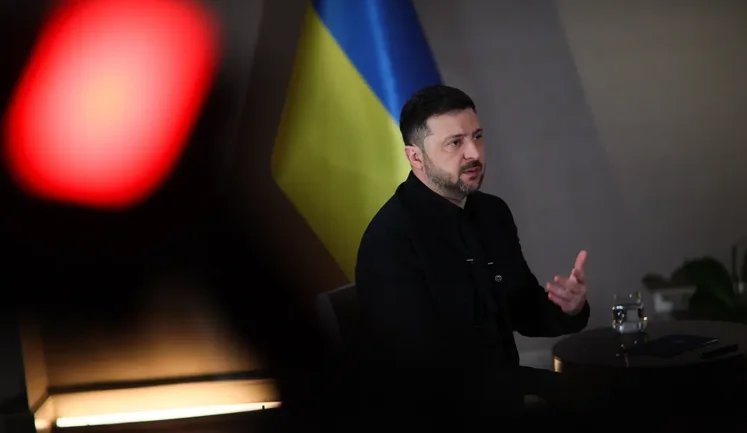
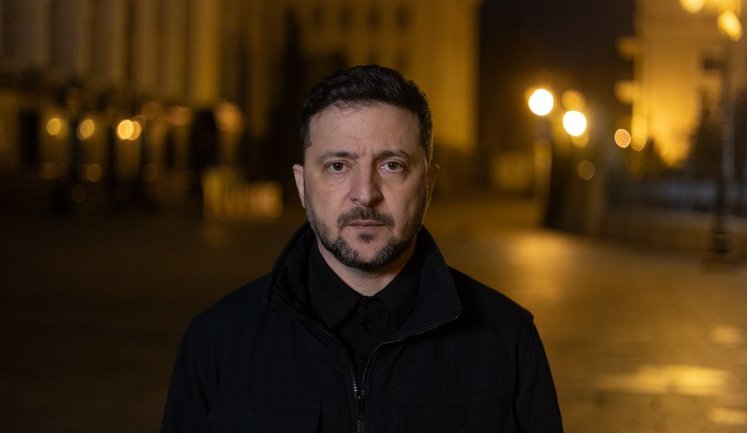
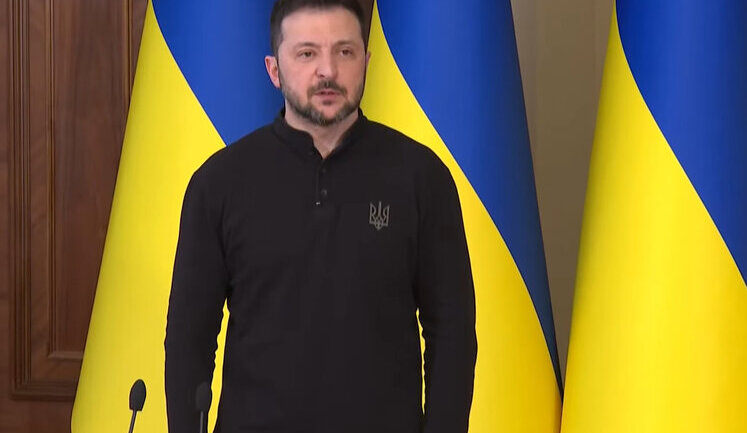
In Ukraine, martial law continues to be a central topic as the Verkhovna Rada frequently discusses its extensions. Martial law impacts various facets of life, including postponing local elections as security concerns take precedence. President Zelenskyy emphasizes strategic planning under martial law, urging the development of election protocols should the conflict persist. Amidst the challenges, Ukrainian authorities work on constitutional adherence while ensuring national security. As martial law extends, the Ukrainian government collaborates with international entities to navigate legal and social implications, highlighting the resilience and adaptability of the Ukrainian political system. The continuing martial law scenario underscores the complicated dynamics of war and governance.
How does martial law affect local elections in Ukraine?
Martial law has led to the postponement of local elections in Ukraine, as mandated by security protocols. The government prioritizes safety and stabilizing the situation before resuming electoral activities. The legal framework requires elections to occur post-conflict, ensuring lawful and secure conduct once martial law is lifted. This ensures democratic processes align with constitutional mandates.
What are the legislative processes for extending martial law in Ukraine?
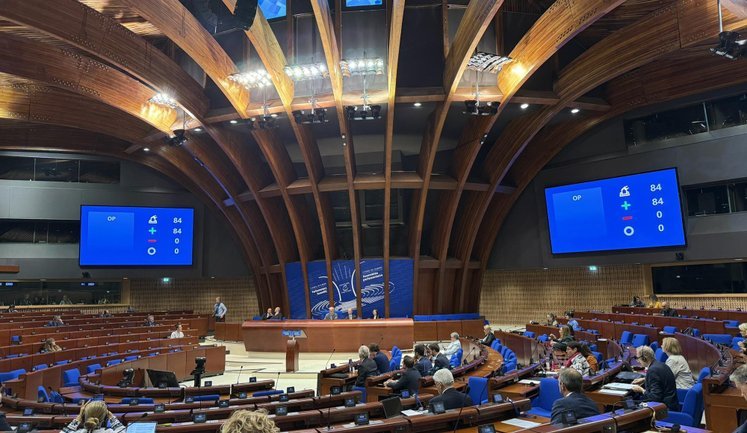
In Ukraine, extending martial law involves legislative processes initiated by the President, followed by parliamentary approval. The Verkhovna Rada evaluates and votes on draft laws for extensions, which align with national security needs. This process ensures democratic oversight while addressing the ongoing security situation, maintaining constitutional integrity during prolonged conflicts.
What implications does martial law have on Ukraine's international relations?
Martial law in Ukraine affects international relations by necessitating dialogue with international bodies on legal and humanitarian issues. The European Commission and other entities observe Ukraine's adherence to constitutional norms under martial law, influencing diplomatic ties and humanitarian support. International engagement ensures transparency and support amidst ongoing security challenges.
What are the current measures for crossing Ukraine's border under martial law?
Under martial law, Ukraine has implemented specific measures for border crossing. Recently amended rules impact men aged 18 to 25, typically involving restricted travel to prioritize national security. These measures are in place to support mobilization efforts, ensuring that nationals are available to aid in defense efforts during heightened conflict periods.
What role does the Verkhovna Rada play in martial law decisions?
The Verkhovna Rada plays a crucial role in martial law decisions by debating and passing necessary legislation. It acts as a legislative authority to review, amend, and authorize extensions of martial law, ensuring democratic control and adaptation of laws to meet the evolving security landscape. This legislative oversight is vital for maintaining constitutional adherence and public accountability.
How is martial law impacting social and economic structures in Ukraine?
Martial law heavily impacts Ukraine's social and economic structures by prioritizing security, which can cause temporary restrictions on civil liberties, redistribution of resources, and mobilization of people for defense-related tasks. The government implements measures to amend social and economic functions that maintain essential services and mitigate disruptions caused by the conflict, aiming for balance between security and civil life continuity.
What are the rights of Ukrainian citizens under martial law?
Under martial law, certain rights of Ukrainian citizens may be temporarily restricted for security purposes, such as assembly and movement. However, such measures aim to ensure public safety and national defense. The government is tasked with balancing these restrictions with human rights obligations, offering legal channels to address grievances, ensuring that citizens remain informed and protected within this legal framework.