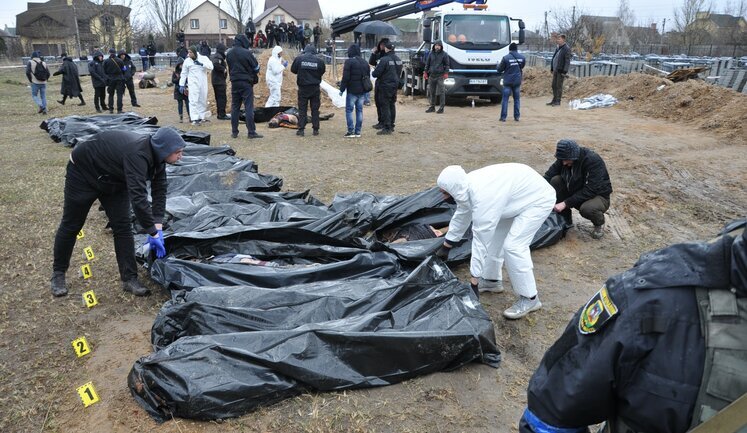
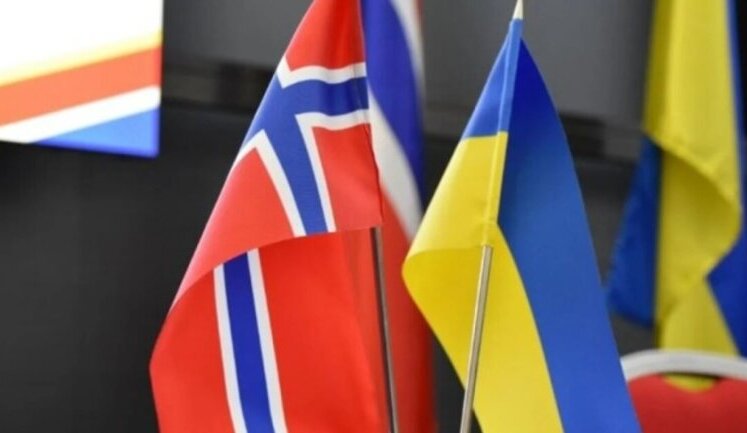
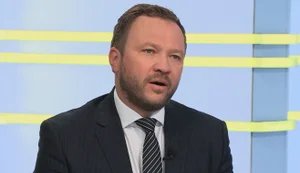
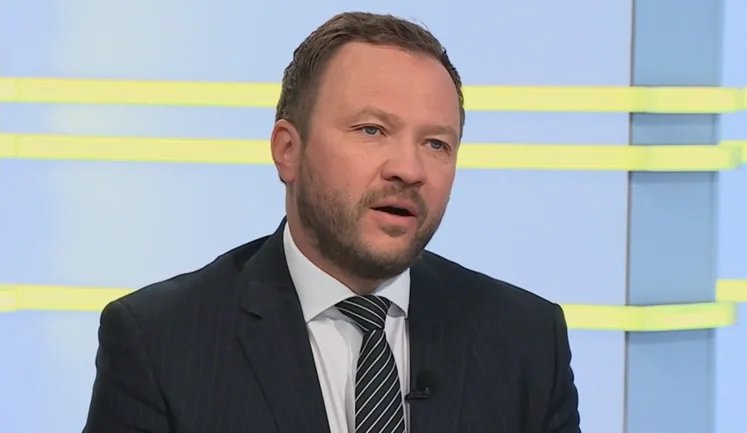
The establishment of a Special Tribunal to address crimes of aggression by Russia against Ukraine is gaining momentum worldwide. Recently, Norway ratified the Convention to create the International Compensation Commission and a Special Tribunal for Ukraine, reinforcing global commitment to accountability. Estonia's Foreign Minister Margus Tsahkna underscored the urgency of establishing such a tribunal to investigate Russian aggression. Furthermore, the European Parliament adopted a critical resolution, urging the EU to finalize the tribunal's creation. Countries like the Czech Republic, Finland, and Austria have joined this initiative, bringing together a coalition focused on rendering justice. Despite resistance from Russia, international efforts continue, underscoring the tribunal's potential as a significant milestone in international law.
What is the purpose of the Special Tribunal regarding Ukraine?
The Special Tribunal aims to investigate and prosecute the crime of aggression committed by the Russian Federation against Ukraine. It is an effort to ensure accountability for actions that violate international law, specifically targeting high-ranking officials responsible for the conflict. This tribunal represents a collective international effort to uphold justice and deter future aggression.
How is the European Parliament involved with the tribunal?
The European Parliament has been proactive in supporting the establishment of the tribunal. It adopted a resolution that calls upon EU member states to join and expedite the creation of the tribunal. The resolution underscores the necessity of accountability for Russia's ongoing aggression and highlights the EU's role in fostering international cooperation for justice.
Which countries have recently joined the tribunal's establishment?
Several countries have joined the initiative to establish the tribunal. Notably, Finland, Austria, and the Czech Republic have recently committed to this cause. Their participation demonstrates a growing international coalition determined to push forward with legal measures against Russian aggression, reflecting widespread global backing for justice in this matter.
Why is the Norwegian Parliament's ratification significant?
The Norwegian Parliament's ratification of the Convention to establish the tribunal and the International Compensation Commission is significant as it adds to the legitimacy and support of the tribunal on an international scale. This move highlights Norway's commitment to international justice and cooperation in addressing violations of international law, and bolsters global efforts to hold aggressors accountable.
What are the challenges facing the tribunal for Russian aggression?
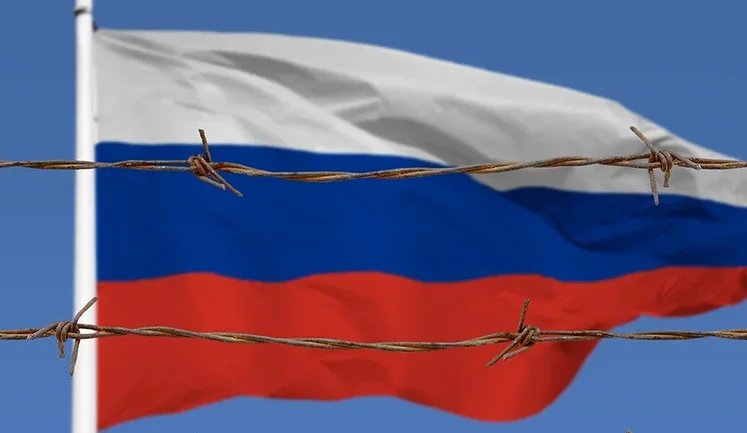
Despite international support, the establishment of the tribunal faces several challenges. Key obstacles include political resistance, notably from Russia, which refuses to recognize the tribunal's authority. Additionally, the logistical and legal processes of coordinating multiple international jurisdictions and reaching consensus on the tribunal's framework pose significant challenges. However, ongoing diplomatic efforts aim to overcome these hurdles.