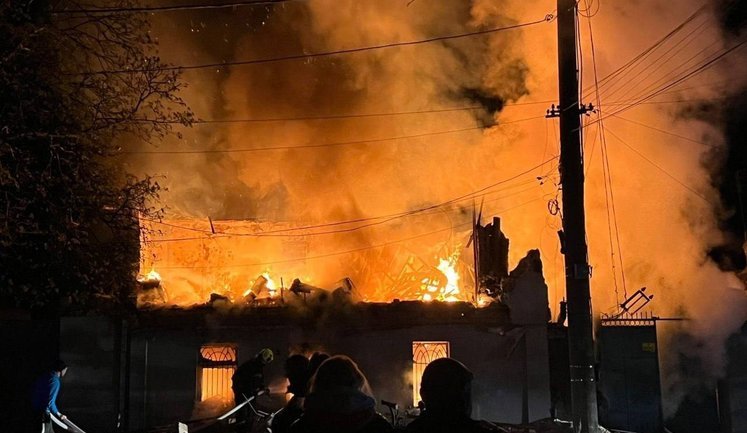
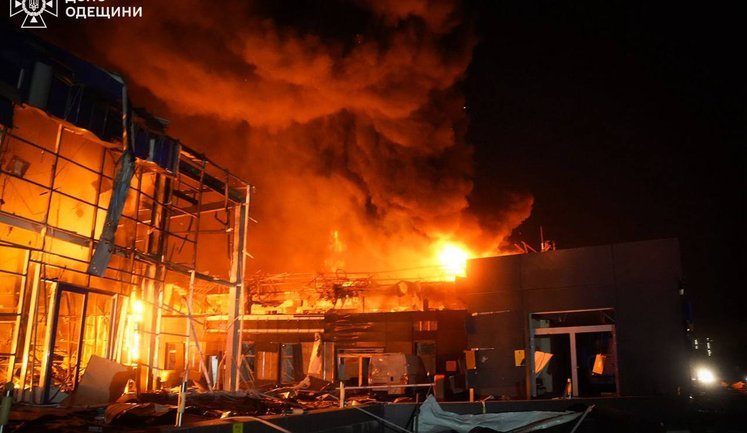
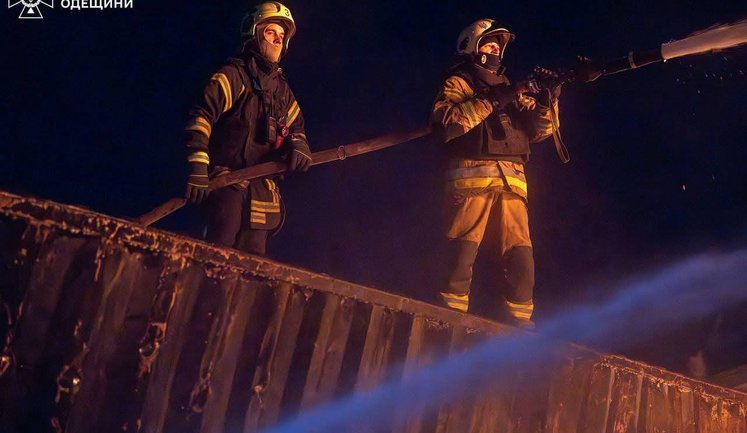
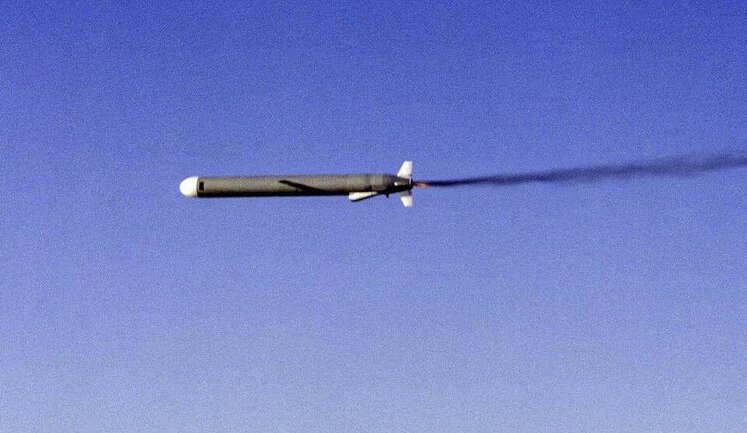
Infrastructure in Ukraine is under severe threat as drone and missile attacks by Russian forces persist. Recent strikes have targeted critical energy and utility sites, leaving thousands without power. In Prykarpattia, over 11,000 customers were affected by drone attacks. Kryvyi Rih also experienced infrastructure hits resulting in casualties. Foreign influence is noticeable, with Iran's involvement in supporting drone assaults in Kuwait. The Ukrainian government's ongoing restoration efforts showcase the resilience of energy workers amid sustained aggression. Protecting and repairing infrastructure remains a top priority as these targeted attacks persist across multiple regions.
What are the recent attacks on Ukrainian infrastructure?
Recently, Ukraine's infrastructure has faced numerous drone and missile attacks, primarily targeting energy facilities. Notable strikes occurred in Prykarpattia and Kryvyi Rih, impacting thousands of customers and leading to significant destruction of critical sites. Restoration efforts are underway despite ongoing threats.
How is Ukraine coping with attacks on its infrastructure?
Ukraine is actively working to restore damaged infrastructure with energy workers undertaking significant efforts to bring power back to affected areas. Despite relentless attacks, the restoration and protection of critical infrastructure remain a top priority for Ukrainian authorities.
What international support is Ukraine receiving for infrastructure repair?
Countries like the Netherlands and Japan have provided financial and logistical support to aid Ukraine in restoring its damaged infrastructure. These aid packages are crucial in addressing the extensive damage to energy facilities caused by sustained military aggressions.
Why is critical infrastructure being targeted in Ukraine?
Russian forces are targeting critical infrastructure as a strategy to create instability and weaken Ukraine's ability to maintain essential services. Such strikes disrupt power and energy supply, posing significant challenges to civilian and military operations across the country.
What measures are in place to protect Ukraine's infrastructure?
Ukraine is enhancing its infrastructure protection through international partnerships and improved cyber defenses. The State Special Communications Service of Ukraine continues to strengthen cyber defense systems to protect critical infrastructure from further attacks.
How is the international community responding to attacks on Ukrainian infrastructure?
The international community, including bodies like the OSCE and European Parliament, condemns attacks on Ukrainian infrastructure. Continued international support and declarations highlight the global call for protection and restoration in response to these devastating strikes.
What is the role of drones in recent infrastructure attacks in Ukraine?
Drones have played a prominent role in recent infrastructure attacks, being used extensively by Russian forces to strike energy sites. These unmanned aerial vehicles have caused significant damage, impacting power grids and leaving thousands without essential services.