The National Guard of Russia has increasingly relied on drones to bolster military operations, particularly in the Pokrovsk direction. Reports indicate that the number of drones has surged by 3 to 4 times in this area. This strategic move demonstrates an adaptation to modern warfare tactics, enhancing surveillance and combat capabilities. Additionally, the use of fiber-optic drones in urban zones highlights a tactical shift towards more sophisticated technology. This deployment is critical for gathering intelligence and maintaining control over contested regions. The advanced utilization of fiber optics in drone operations reflects a trend towards increased efficiency and precision in both urban and frontline environments. These advancements suggest a continuous evolution in the military strategies of the National Guard of Russia.
How has the National Guard of Russia increased drone use recently?
The National Guard of Russia has significantly amplified its drone operations, particularly in the Pokrovsk direction. The deployment of drones in this area has grown 3 to 4 times compared to previous levels, aligning with modern military strategies to enhance on-ground efficiency and tactical advantage.
What advancements have been made in drone technology by the Russian Guards?
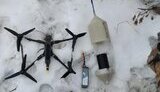
Russian forces, including the National Guard, have advanced their drone technology by incorporating fiber-optic systems. This upgrade ensures a more robust and secure communication line, especially in urban areas where traditional signals might face interference, thus improving operational precision and intelligence gathering.
Why are fiber-optic drones significant in urban warfare?
Fiber-optic drones are pivotal in urban warfare because they reduce signal interference and enhance communication reliability. This technology allows precise navigation and control in densely populated areas, ensuring more effective reconnaissance and combat support operations by the National Guard of Russia.
What are the implications of increased drone use in areas like Pokrovsk?
Increased drone use in areas such as Pokrovsk allows for better surveillance and tactical data acquisition, giving the National Guard of Russia a strategic edge in monitoring and engaging enemy forces. This elevation in operational capability is crucial for maintaining control and executing precise military operations in contested zones.
How does drone deployment affect military strategies for the National Guard of Russia?
Deploying drones significantly affects military strategies by enhancing surveillance, intelligence gathering, and operational efficiency. For the National Guard of Russia, integrating drones into their tactical framework allows for more dynamic and flexible responses to combat situations, ultimately improving command and control over various operational theaters.