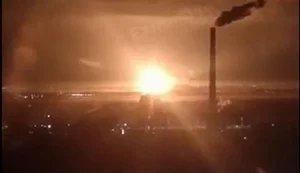
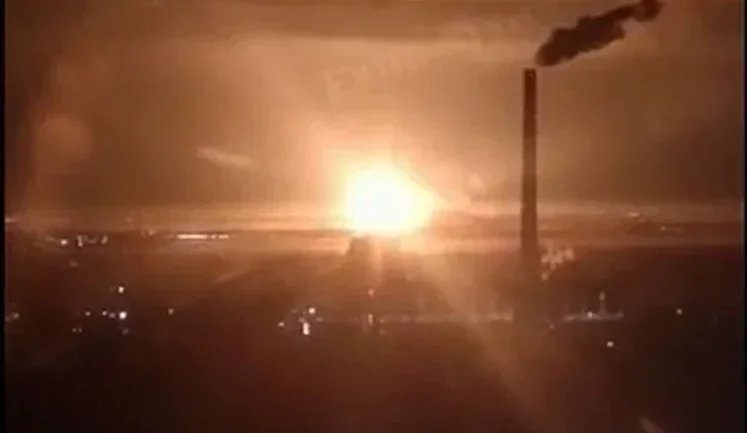
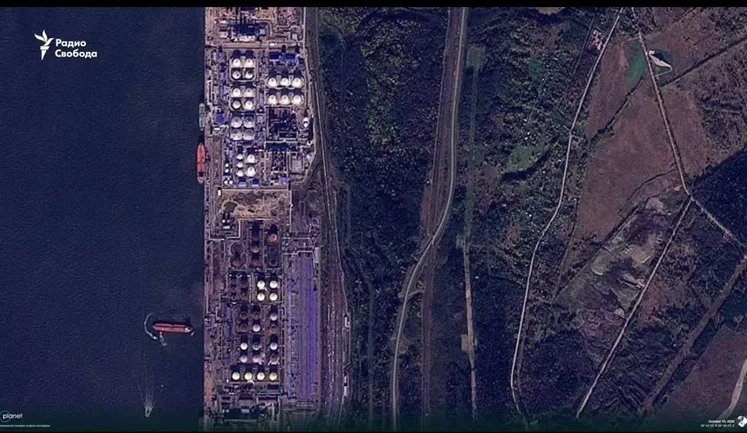
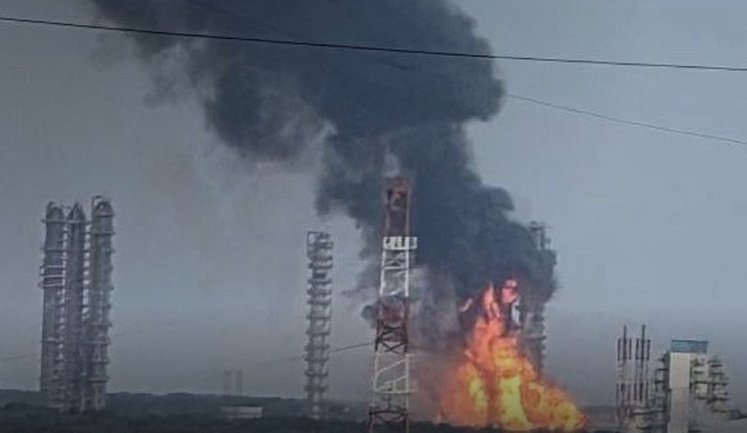
The petroleum sector is under siege as Ukrainian armed forces maintain their offensive on Russian oil infrastructure. Recent events include a major fire at an oil depot in Azov, following a drone attack, and the destruction of five petroleum tanks at Ust-Luga. These strikes, alongside others like those in the Tyumen and Leningrad regions, underscore ongoing tension. Russian President Vladimir Putin acknowledges significant disruptions in petroleum product distribution due to these actions. Furthermore, the impact extends to unforeseen environmental hazards, with fuel leakages in Kyiv and Black Sea regions reported, exacerbating regional environmental concerns.
What recent incidents have affected Russian petroleum infrastructure?
Recent incidents affecting Russian petroleum infrastructure include a series of drone strikes by Ukrainian forces on oil depots and terminals, causing significant damage and fires in regions such as Azov, Ust-Luga, and Tyumen. These attacks have resulted in the destruction of numerous petroleum storage tanks and impacted supply chains critical to Russia's oil distribution network.
How have Ukrainian drone strikes impacted petroleum supply in Russia?
Ukrainian drone strikes have severely impacted petroleum supply in Russia by targeting and damaging key oil storage facilities and refineries. This disruption has caused substantial logistical challenges in distributing petroleum products, leading to issues with fuel availability and production within the country.
What are the environmental consequences of attacks on oil depots?
The environmental consequences of attacks on oil depots include the release of hazardous substances into the atmosphere and nearby water bodies. Incidents like fuel spillages in Kyiv's Obolon district and the Black Sea pose threats to local ecosystems, contributing to air and water pollution and affecting marine and terrestrial wildlife.
What strategic importance do oil facilities hold in the conflict?
Oil facilities hold significant strategic importance in the conflict as they are pivotal to the sustenance of military operations. By targeting oil depots and terminals, Ukrainian forces aim to disrupt the supply chain that fuels the Russian military machinery, thereby weakening their operational capabilities and economic standing.
How has the international community responded to these petroleum-related tensions?
The international community has reacted with mixed responses to these petroleum-related tensions. While the Ukrainian strategy is seen as weakening Russian military capabilities, some nations express concerns about environmental and economic impacts. Moreover, sanctions from Western countries aim to reduce Russia’s financial ability to sustain military operations through targeted economic restrictions.