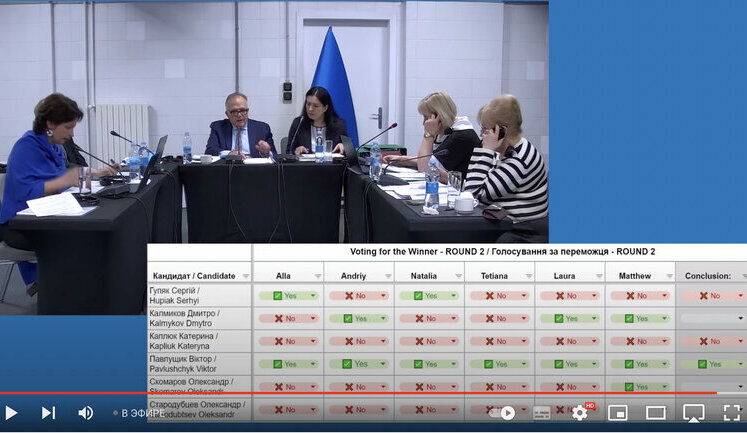
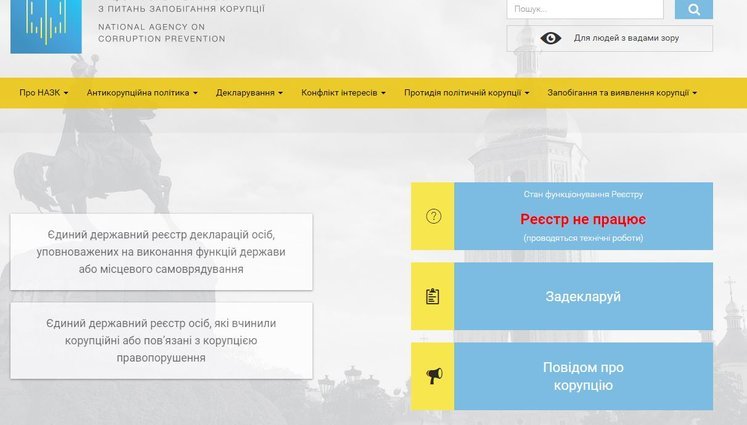
The National Agency on Corruption Prevention (NACP) has been at the forefront of Ukraine's fight against corruption. Recent cases include a court discussion on former Deputy Prime Minister Stefanishyna's alleged influence in the NACP chairman selection and the oversight of declarations such as those of Deputy Justice Minister Kravchenko. Furthermore, significant asset confiscations have been ordered by the High Anti-Corruption Court and full verifications of declarations, like that of Herman Halushchenko, are underway. Yet, challenges persist, with the NACP facing criticism over unchecked declarations and its involvement in large-scale corruption investigations, as highlighted by the recent "Mindichgate". The agency's efforts underscore the ongoing battle against corruption in Ukraine, crucial for its integrity and international relations.
What role does the NACP play in Ukraine's anti-corruption effort?
The National Agency on Corruption Prevention (NACP) is tasked with overseeing the declarations of public officials, monitoring lifestyles, and investigating possible corruption cases. It plays a significant role in ensuring the accountability and transparency of public officials by verifying declarations and uncovering signs of illicit enrichment. The NACP collaborates with other anti-corruption bodies to address corruption risks in government operations.
How does the NACP verify declarations submitted by public officials?
The NACP conducts thorough checks of public officials' declarations to verify listed assets against known income sources. This process involves cross-referencing with various databases and monitoring ongoing financial activities to identify discrepancies. If inconsistencies are found, the NACP may launch full investigations or collaborate with judicial bodies to ensure compliance with anti-corruption laws.
What controversies has the NACP faced in recent years?
The NACP has been embroiled in controversies including allegations of influence over leadership selections, insufficient declaration checks, and being mentioned in corruption scandals like the "Mindichgate". These incidents highlight the challenges the agency faces in maintaining its integrity and effectiveness in combating corruption. While the NACP has made strides in several areas, ongoing scrutiny and internal reviews underscore the need for transparency and accountability in its operations.
What have been some significant outcomes of NACP's anti-corruption activities?
Significant outcomes of NACP's anti-corruption activities include the confiscation of unjustified assets by the High Anti-Corruption Court, full verifications of prominent officials' declarations, and ongoing lifestyle monitoring of public figures. These actions demonstrate the agency's commitment to uncovering and addressing corruption, contributing to wider efforts to improve governance and rule of law in Ukraine. However, ongoing challenges necessitate continued diligence and support for the agency's initiatives.
Is the NACP involved in international anti-corruption partnerships?
The NACP cooperates with international partners and organizations as part of its mission to combat corruption in Ukraine. This includes engaging with advisory groups like the G7 and leveraging international best practices to bolster its strategies against corruption. Such partnerships are integral to enhancing the agency's capacity and effectiveness in addressing complex corruption issues.
How does the NACP handle cases of non-compliance in submitted declarations?
In cases of non-compliance, the NACP initiates investigations and may refer findings to relevant authorities for further action. The agency works within the framework of Ukrainian law to ensure violators are held accountable, often resulting in administrative actions or legal proceedings. The NACP's enforcement capabilities are crucial for maintaining compliance and deterring fraudulent declarations.