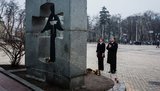
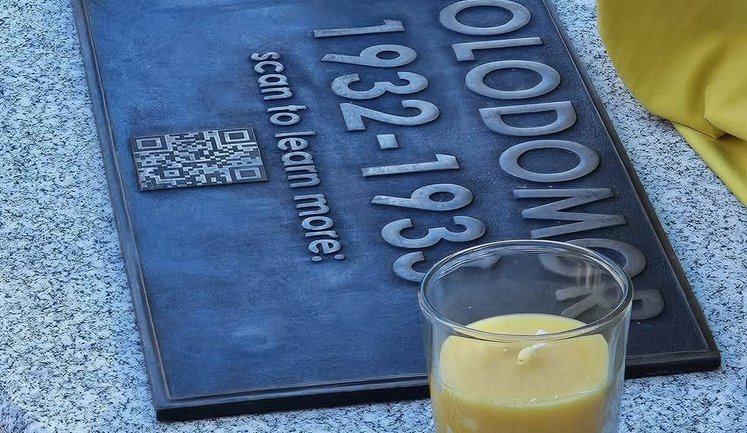
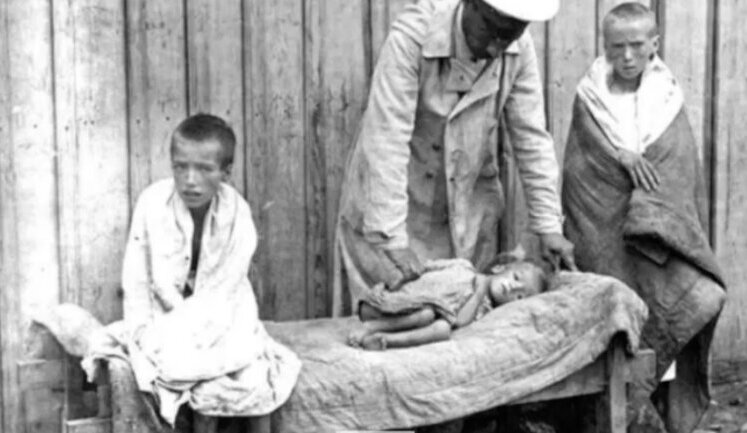
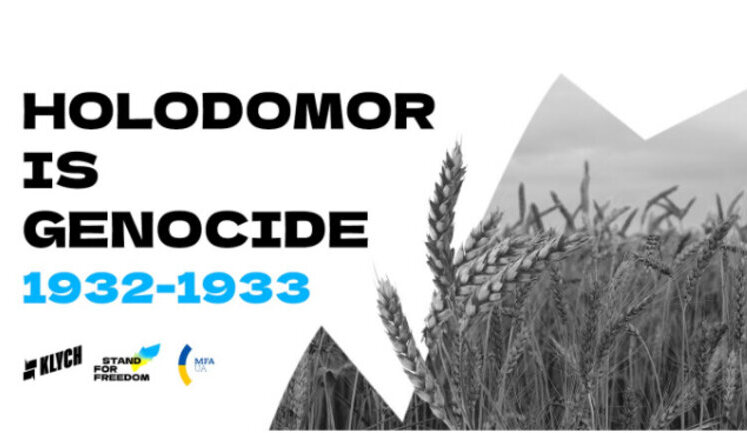
The Holodomor of 1932-1933, a tragic man-made famine orchestrated by the Soviet regime, continues to be acknowledged globally. Recently, the first memorial in Canada's Atlantic region was unveiled, commemorating the innocent lives lost. Nations worldwide, including the United States, Switzerland, and numerous European countries, have formally recognized the Holodomor as an act of genocide against the Ukrainian people. Efforts to raise awareness persist with educational initiatives such as the inclusion of Holodomor studies in Canadian history courses. These developments emphasize the importance of remembrance and the global commitment to acknowledging this dark chapter in history.
What recent initiatives commemorate the Holodomor victims?
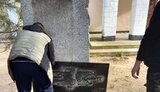
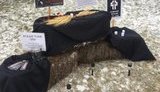
Recent initiatives include the unveiling of a Holodomor memorial in Charlottetown, Canada, entitled ‘Bitter Childhood Memories’. This marks the first such monument in Canada's Atlantic region dedicated to the remembrance of the 1932-1933 tragedy. Additionally, numerous global recognitions and events continue to commemorate the millions who suffered under the Soviet regime.
Which countries have recognized Holodomor as a genocide?
Countries such as the United States, Switzerland, France, Germany, and many others have recognized the Holodomor as a genocide. These recognitions often stem from legislative actions and resolutions acknowledging the severe impact of the famine on the Ukrainian people orchestrated by the Soviet regime.
What role does education play in Holodomor awareness?
Education plays a crucial role in raising awareness about the Holodomor. For instance, Canadian history courses for grade 10 will include studies about the Holodomor. Such educational initiatives aim to inform younger generations about the atrocities faced by Ukrainians during the 1932-1933 famine.
How has the international community responded to Holodomor recognition?
The international community has responded through various recognitions and commemorations. Bodies like the Parliamentary Assembly of the Council of Europe and national parliaments have passed resolutions recognizing the Holodomor as genocide, aligning against genocidal policies, and promoting international solidarity with Ukraine.
What actions are being taken to preserve Holodomor history?
Efforts to preserve Holodomor history include the ongoing digitization of criminal cases related to Soviet policies during the famine, unveiling of memorials, educational inclusion, and public events marking anniversaries. These actions ensure the memory and lessons of the Holodomor are not forgotten.