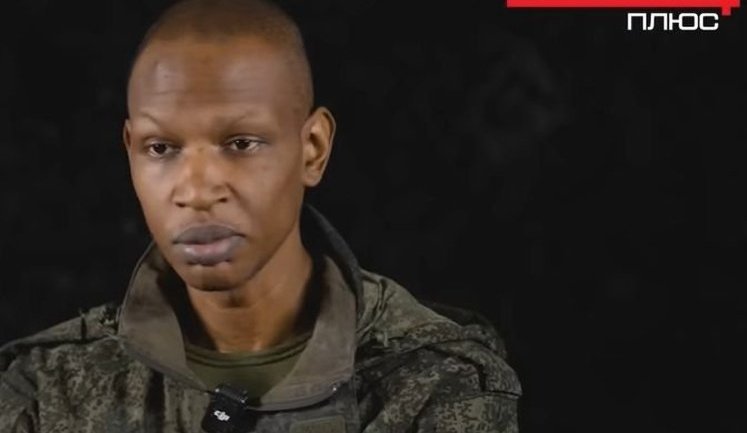
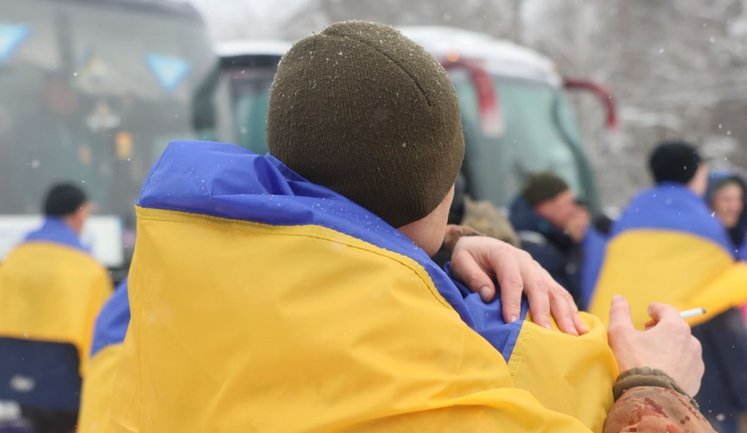
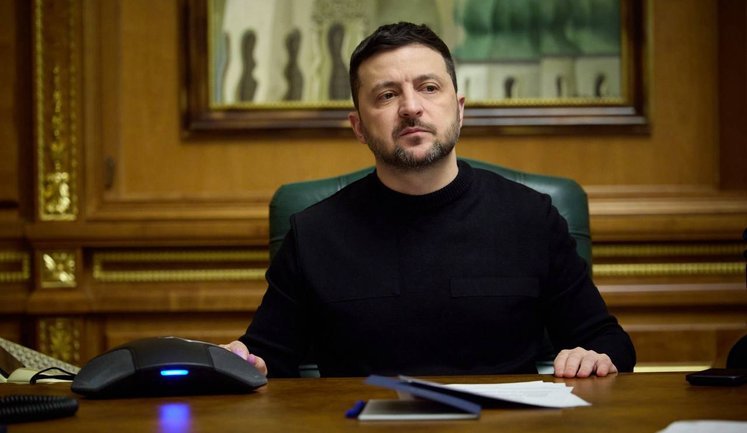
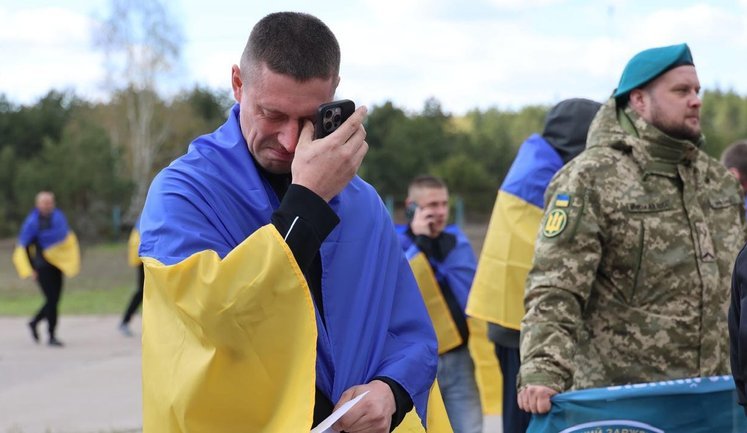
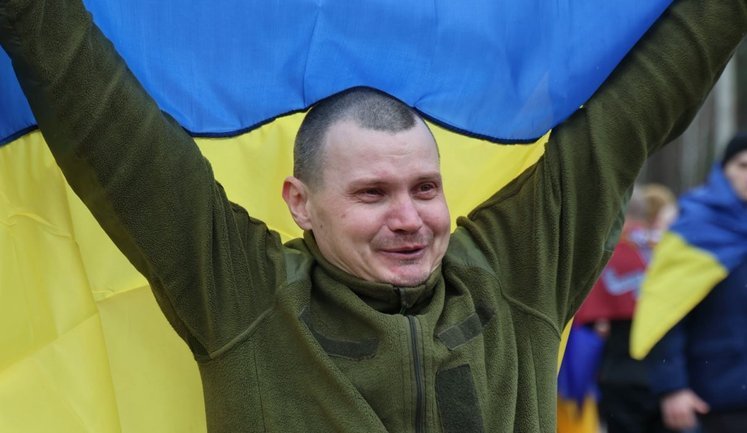
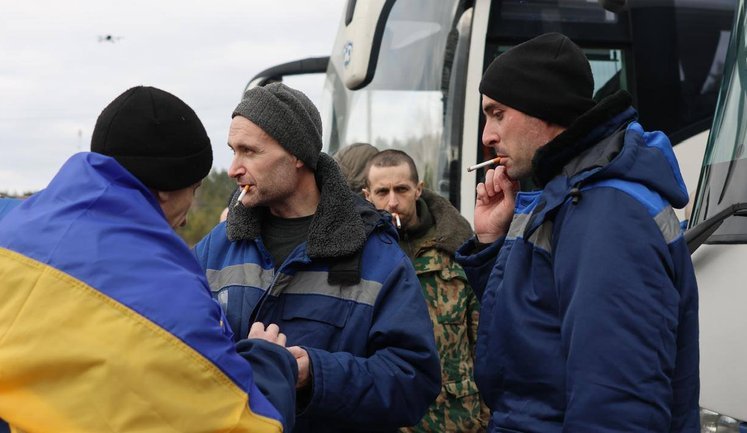
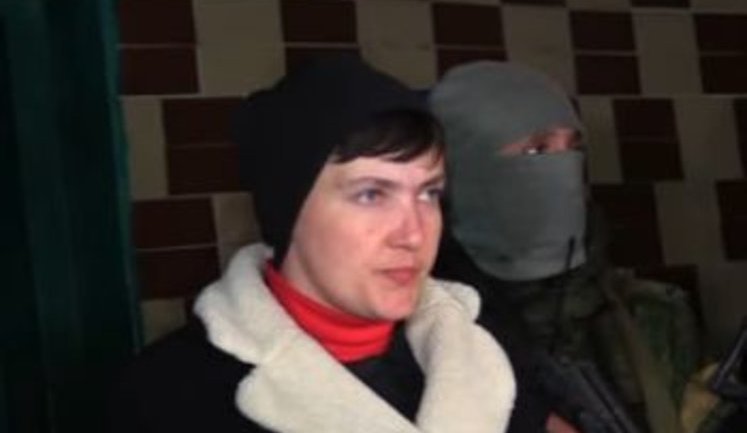
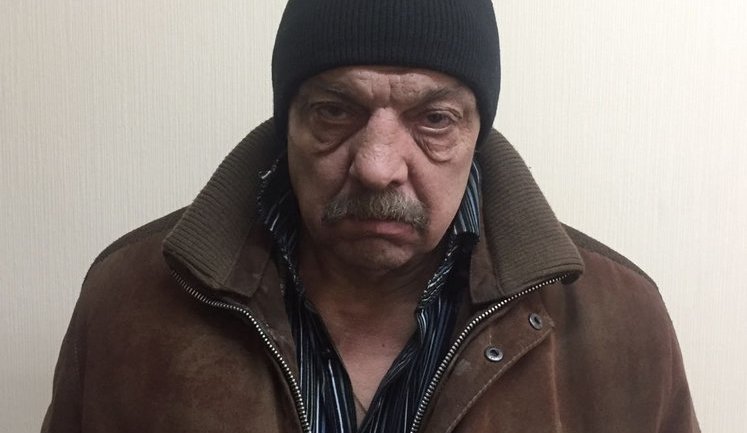
In the complex landscape of the ongoing conflict, the exchange and capture of hostages remain pivotal issues. Recent events highlight the 72nd prisoner swap, where 175 Ukrainian servicemen and 7 civilians were freed. The Coordination Headquarters has actively facilitated these exchanges, often coinciding with significant national dates, such as Easter. Meanwhile, operational stories unfold, with heroic captures by Ukrainian forces. For instance, Ukrainian unmanned aerial units have been instrumental in securing Russian soldiers' surrenders, showcasing technological superiority. As hostilities continue, the exchange of prisoners — now tallying over 8,000 returnees in four years — underscores diplomatic efforts to resolve humanitarian concerns amid hostilities.
How many Ukrainians have returned from Russian captivity so far?
As of the latest reports, over 8,000 Ukrainians have been returned from Russian captivity over the past four years. This significant number reflects ongoing diplomatic and military efforts to facilitate prisoner swaps amid the enduring conflict.
What was the outcome of the recent prisoner exchange between Ukraine and Russia?
The recent 72nd prisoner exchange resulted in the release of 175 Ukrainian servicemen and 7 civilians. This underscores continuous diplomatic negotiations and the importance of humanitarian efforts in the ongoing conflict.
What role do unmanned aerial units play in capturing hostages?
Unmanned aerial units, particularly Ukrainian drones, have played a critical role in compelling Russian soldiers to surrender. These advanced technologies provide strategic advantages in surveillance, negotiation, and reducing direct combat risks.
Are there any recent examples of Ukrainian forces capturing Russian soldiers?
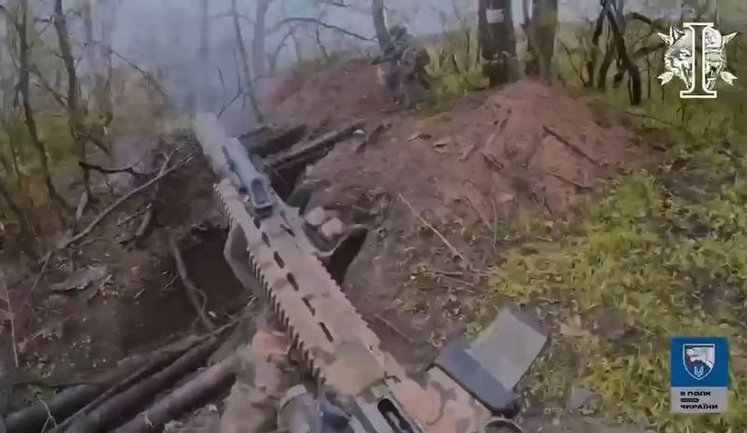
Yes, Ukrainian forces consistently demonstrate tactical prowess in capturing Russian troops. For instance, special operations units successfully captured Russian soldiers during stabilization efforts in regions like Zaporizhzhia and Kharkiv, increasing negotiation leverage for exchanges.
What are the challenges faced in the prisoner exchange negotiations?
Negotiations for prisoner exchanges often face challenges such as political tensions, compliance with ceasefire agreements, and logistical complexities. Nonetheless, they remain a crucial component of diplomatic efforts to protect human rights amid conflict.
How does Ukraine ensure the safety of returned hostages?
After returning from captivity, Ukrainian authorities focus on providing medical care, psychological assistance, and reintegration programs to help former hostages recover from their ordeals and reintegrate into civilian life.
What impact do successful capture operations have on the conflict?
Successful capture operations by Ukrainian forces not only disrupt enemy communications and morale but also bolster Ukraine’s bargaining power in subsequent prisoner exchange negotiations, showcasing military and strategic competence.