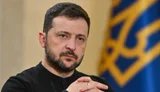
The Day of Remembrance and Reconciliation in Ukraine marks a significant event focused on commemorating the sacrifices made during World War II and addressing modern challenges. President Volodymyr Zelenskyy emphasizes the importance of countering Russian aggression, comparing it to a revived form of Nazism. This somber day highlights Ukraine's dedication to remembering the past, affirming its unity with free nations, and denouncing atrocities. It is a day to reflect on the haunting echoes of history and the ongoing struggle for peace and freedom. Ukraine not only honors those who defended the world during WWII but also aligns with global efforts against modern threats.
What is the Day of Remembrance and Reconciliation in Ukraine?
The Day of Remembrance and Reconciliation in Ukraine is an observance held to commemorate those who suffered during World War II, honor the nation's contribution to the victory over Nazism, and reflect on current global challenges such as Russian aggression.
How does Ukraine relate the Day of Remembrance to current events?
Ukraine uses the Day of Remembrance to draw parallels between past and present threats, especially highlighting the aggression faced from Russia, which President Zelenskyy compares to a modern iteration of Nazism, demanding global unity and vigilance.
Why does President Zelenskyy mention "Made in Russia" in his speech?
In his speech, President Zelenskyy refers to "Made in Russia" to describe the ongoing aggression by Russia as a form of revived Nazism, emphasizing the need for global awareness and action against such threats in the current geopolitical climate.
How does Ukraine honor contributions to the anti-Hitler coalition?
Ukraine honors its contributions to the anti-Hitler coalition by remembering the bravery of its people who fought during World War II. The Day of Remembrance highlights their role in the victory over Nazism and affirms the nation's historical importance in ensuring freedom.
What are some historical statistics mentioned during the observations?
During the Day of Remembrance and Reconciliation, Ukrainian leaders, like the NSDC's Oleksandr Turchynov, recall the heavy toll of World War II on Ukraine, including the loss of over 14 million Ukrainians, emphasizing the immense sacrifices made during this pivotal time.
What message does the phrase "Never Again" convey in this context?
The phrase "Never Again" during the Day of Remembrance carries a solemn pledge to prevent the recurrence of war atrocities and highlights contemporary fears of repeating history as global tensions, such as Russian aggression, echo past threats, reinforcing vigilance.