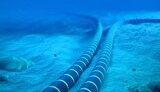
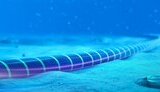
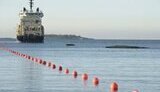
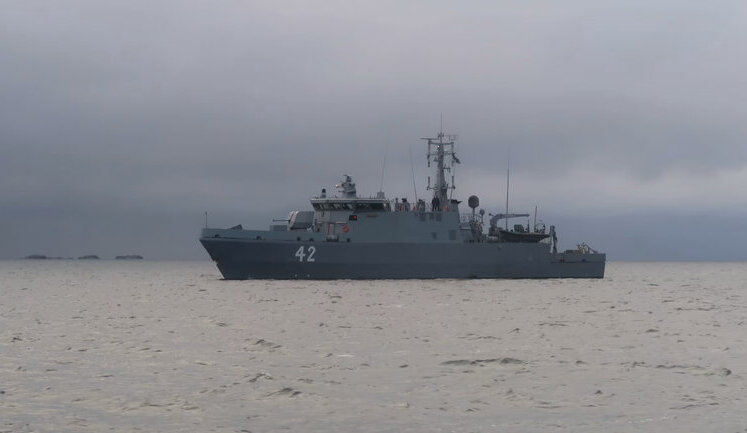
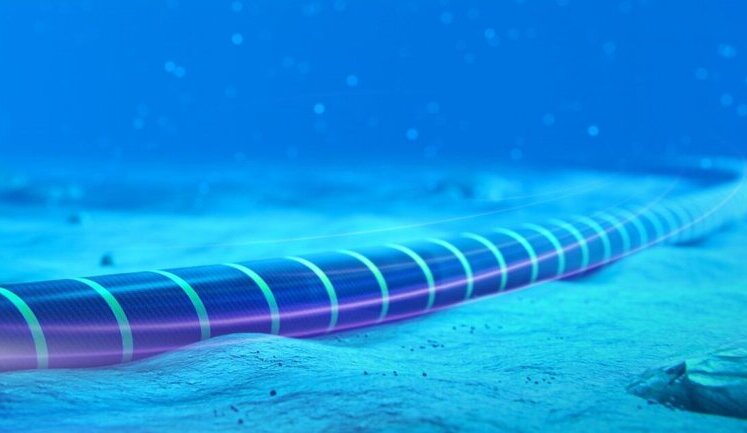
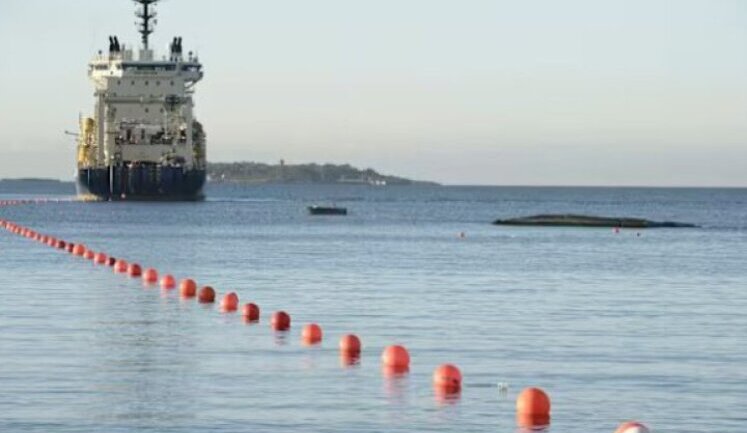
Amidst rising tensions, submarine cable incidents in the Baltic Sea are drawing international attention. Recent reports highlight repeated damages and suspicious maneuvers by foreign vessels, affecting communication and energy lines between countries such as Poland, Latvia, Sweden, and Lithuania. The Polish Prime Minister has pointed to Russian "shadow fleet" activities near critical infrastructure connecting Poland and Sweden, while Sweden assists Latvia in probing damage to a key submarine line. Notably, a communication cable between Sweden and Estonia was also mysteriously compromised, prompting ongoing investigations. In response, NATO has pledged to bolster its military presence in the region, addressing what Germany and Finland deem a hybrid attack on vital infrastructure. This unfolding scenario underscores the urgent need for strengthened security measures to protect crucial submarine cables against potential threats.
What suspicious activities were reported near the submarine cables?
The Polish Prime Minister reported that a vessel from the Russian "shadow fleet" engaged in suspicious maneuvers near a power cable connecting Poland and Sweden. This activity highlights ongoing tensions and potential threats to critical infrastructure shared by these northern European nations.
What action is NATO taking in response to Baltic Sea incidents?
NATO Secretary General Mark Rutte announced plans to increase military presence in the Baltic Sea. This decision comes after several incidents of submarine cable damage, reflecting concerns over security and the integrity of vital communication and energy connections across the region.
Which countries are involved in the investigation of cable damages?
Sweden is aiding Latvia in investigating damage to a submarine cable in the Baltic Sea. Additionally, Estonia and Finland are cooperating to unveil the causes of similar incidents affecting communication links between these countries. Such collaborations aim to enhance regional security and infrastructure resilience.
What have Germany and Finland labeled the cable damages in the Baltic Sea?
The German and Finnish Foreign Ministries have expressed their concerns, describing the damages to Baltic Sea cables as hybrid attacks. This characterization underscores the potential for these incidents to be deliberate acts intended to disrupt essential communication and data transmission infrastructure.
What was detected about the Nordbalt cable between Sweden and Lithuania?
The Nordbalt cable, which connects Sweden and Lithuania, showed signs of anchor damage. Swedish authorities suspect involvement from a Chinese ship, believed to have ties to Russian special services. This revelation points to the complexities of maintaining secure international submarine communication lines.
How has the EU supported energy cable projects in the Black Sea?
The European Commission President Ursula von der Leyen announced EU support for laying an energy cable in the Black Sea. This initiative aims to foster connectivity and energy security, exemplifying the EU's commitment to bolstering infrastructure resilience amidst geopolitical challenges.