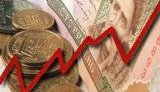
The topic of profits in Ukraine covers a range of economic developments impacting both the state and its citizens. Recently, President Volodymyr Zelenskyy declared an income of over 15 million hryvnias for 2025, highlighting significant personal profits. Meanwhile, the Ministry of Finance is proposing new tax reforms aiming for a projected revenue of 60 billion hryvnias. However, concerns arise as current expenditures almost match this revenue target, posing challenges to achieving budgetary balance. Additionally, Euroclear, a European depository, reported earning €5 billion from frozen Russian assets in 2025, despite a 26% decrease compared to 2024. The Ukrainian economy’s dynamics continue to evolve with fluctuating wages and shifting policies that affect both macroeconomic stability and individual incomes.
What is the significance of Zelenskyy's profit declaration?
Zelenskyy's profit declaration for 2025, showing over 15 million hryvnias in income, reflects transparency in financial earnings and adherence to legal requirements for public officials in Ukraine. Such declarations are crucial in reinforcing trust and accountability, allowing citizens to evaluate the financial integrity of their leaders.
How does the new tax bill aim to address fiscal challenges?
The proposed tax bill by the Ministry of Finance aims to generate an additional 60 billion hryvnias in revenue. This step is essential for addressing fiscal challenges, balancing the national budget, and funding essential government programs. However, matching expenditures highlight the need for comprehensive fiscal management.
How has Euroclear's revenue from Russian assets impacted their profits?
Euroclear’s revenue from frozen Russian assets in 2025 amounted to €5 billion, a significant source of income amidst economic sanctions. This still represents a 26% decrease from 2024, highlighting the volatile effect of international financial decisions on profit streams, impacting overall financial health and strategy.
What is the current trend in Ukrainian wage levels?
The average wage in Ukraine saw a decrease in August, dropping by 2.2%. This trend highlights ongoing economic challenges and the impact on citizens' purchasing power, underscoring the need for effective economic policies to stabilize and improve income levels for sustainable economic development.
How are profits reflected in public policy discussions in Ukraine?
Discussions about profits and economic indicators are integral to public policy in Ukraine, focusing on transparency, fiscal responsibility, and socio-economic reforms. Policies are frequently adjusted to optimize revenue collection, ensure fair distribution of wealth, and promote overall economic prosperity.