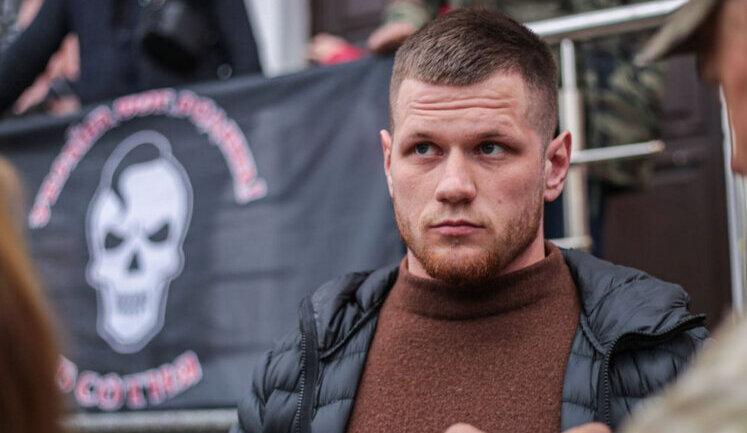
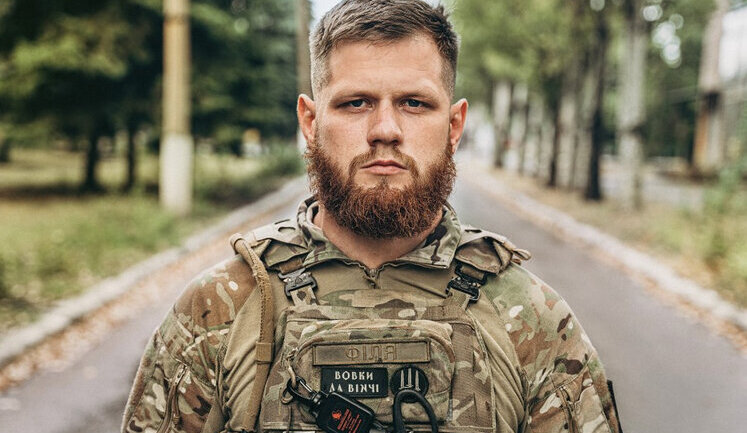
Serhii Filimonov, a prominent figure in the Ukrainian Armed Forces, currently oversees significant developments amid Ukraine's ongoing military challenges. As the commander of the 108th separate battalion, known as the "Wolves of Da Vinci," Filimonov tackles issues ranging from the formation of new brigades to threats against his life. Despite facing administrative hurdles like the large number of AWOL cases, the formation of a new brigade under his leadership signifies strategic maneuvers within the military. Moreover, the security services have thwarted an assassination attempt on Filimonov, underscoring the constant threats faced by key military leaders. Issues of command competence have also been starkly highlighted by Filimonov, particularly in the unsuccessful military engagement in the Pokrovsk direction, where improper assessments led to setbacks.
What are the current challenges faced by Filimonov in the Ukrainian military?
Filimonov is grappling with the formation of a new brigade amid a high number of AWOL (absent without leave) cases, highlighting challenges in troop management. His brigade also faces operational threats, as evidenced by the prevention of an assassination attempt against him. Another significant challenge is the reputedly incompetent higher command, leading to strategic shortcomings in areas like the Pokrovsk direction.
How did security forces prevent an assassination plot against Serhii Filimonov?
The assassination plot against Serhii Filimonov was foiled through effective intelligence and action by the security services. They managed to intercept and neutralize the threat before any harm could be done, protecting Filimonov from a targeted contract killing plot that had significant implications for military leadership and morale.
Why is the new brigade formation under Filimonov facing difficulties?
The newly formed brigade under Filimonov's command faces challenges primarily due to a high number of soldiers absent without leave (AWOL). This issue results in personnel shortages and impacts operational effectiveness, complicating efforts to effectively prepare and station these forces in critical areas of conflict.
What strategic insights does Filimonov offer regarding the Pokrovsk direction challenges?
Regarding the Pokrovsk direction challenges, Filimonov emphasizes the disconnect between higher command decisions and the on-ground realities faced by military units. He criticizes the lack of awareness and competence among generals, which results in sending unprepared brigades to defend critical areas, leading to strategic failures and loss of ground.
How does Filimonov's situation reflect on the military leadership's effectiveness in Ukraine?
Filimonov's experiences highlight several issues with the military leadership in Ukraine, particularly the need for better strategic planning and personnel management. The fact that he faces assassination attempts and must contend with poorly informed command decisions underscores systemic issues in leadership and highlights areas needing urgent reform to enhance military effectiveness and morale.