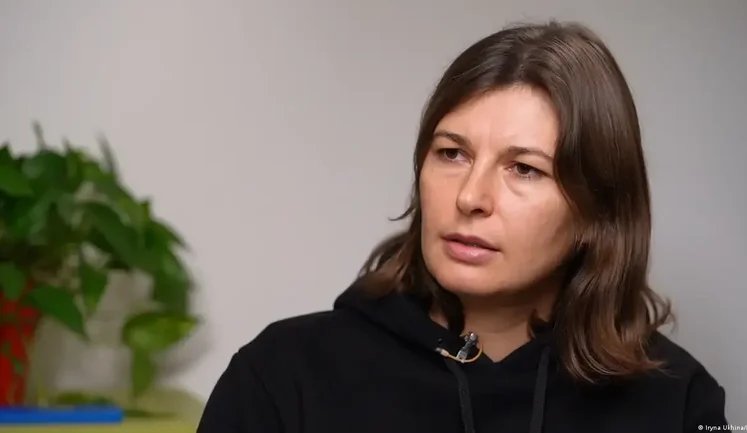
Daria Kaleniuk, known for her relentless fight against corruption, continues to be a significant voice in Ukrainian politics. As the executive director of the Anti-Corruption Action Center, Kaleniuk persistently sheds light on issues affecting the integrity of governmental structures. Recently, she expressed skepticism about the compulsory mobilization of Andrii Yermak, while indicating governmental pressure on her family. Her stance on the sanctions against Tymur Mindich highlights the larger anticorruption crusade she leads. Kaleniuk warns that actions from the SBI and SSU undermine Ukraine's European integration, further exacerbated by inadequate defense against Russian drone strategies. Her candid views underscore the urgent need for effective reform in the Ministry of Defense.
What is Daria Kaleniuk's role in Ukraine's anti-corruption efforts?
Daria Kaleniuk is the executive director of the Anti-Corruption Action Center (AntAC), where she leads efforts to combat corruption within Ukrainian governmental bodies. Her work involves exposing corrupt practices and advocating for systemic reforms to strengthen Ukraine's legal and institutional frameworks.
How has Daria Kaleniuk been affected by political pressures?
Kaleniuk has reported significant pressure from authorities, including threats and provocations directed at her family. These actions are perceived as attempts to intimidate and impede her efforts to illuminate and combat corrupt practices within the government.
What are the implications of the sanctions against Tymur Mindich?
Sanctions against Tymur Mindich result in the state taking over his business interests, such as Kvartal-95. Kaleniuk highlights this action as part of broader measures to curtail corrupt influences but also signals potential overreach in enforcement activities.
What concerns has Kaleniuk raised about military procurement in Ukraine?
Kaleniuk has pointed out the critical need to eliminate corruption within the Ministry of Defense to improve weapon procurement processes. She emphasizes that without transparency and accountability, effective military capability enhancement remains a challenge.
How does Kaleniuk view Ukraine's anti-corruption infrastructure?
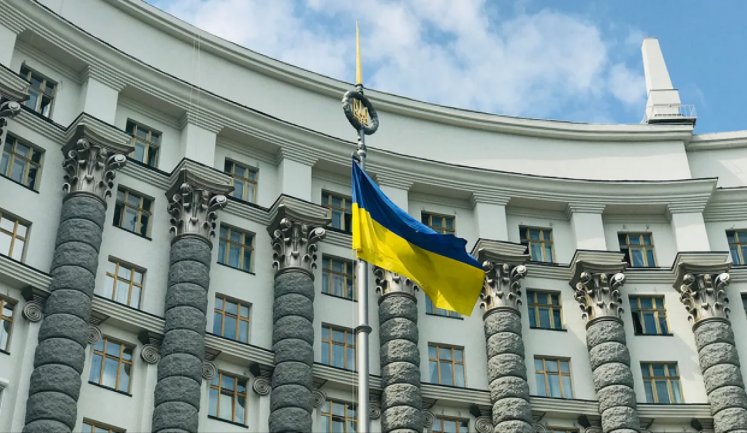
Kaleniuk is concerned about efforts by internal security agencies, allegedly acting under governmental direction, that threaten to dismantle established anti-corruption bodies. She believes such actions jeopardize Ukraine's aspirations for European integration and reform progress.