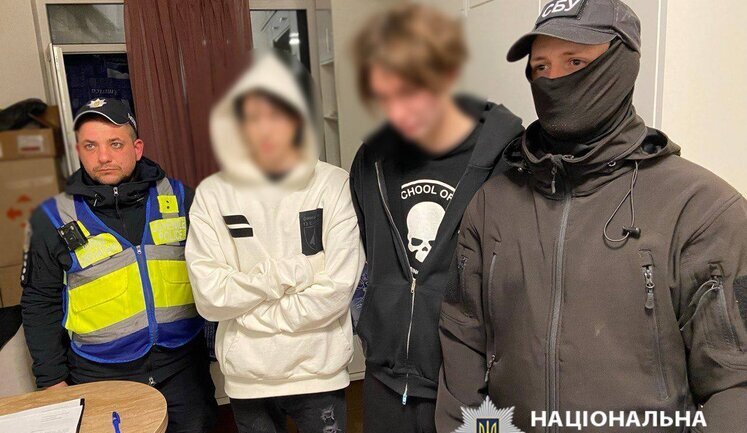
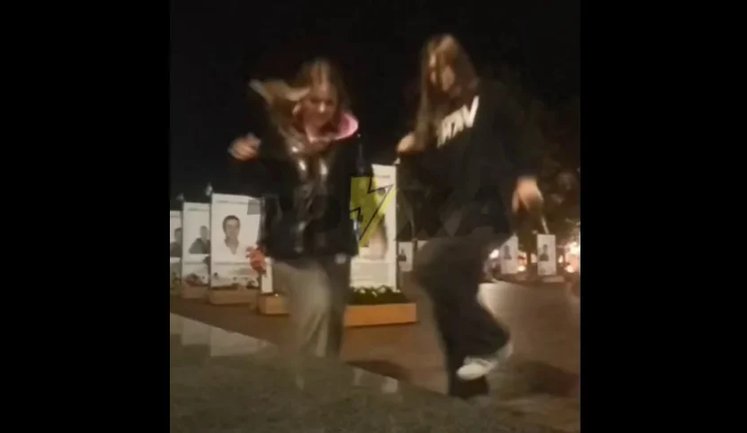
The ban on Russian music in Ukraine has sparked notable incidents and public discourse across the nation. In Chernihiv, a dance by girls on the Alley of Heroes to Russian chanson led to a National Police investigation. Similarly, in Pryluky, police are probing a video of a girl singing a Russian song at a memorial site. In Dnipro, a 17-year-old faced charges after filming a dance at a cemetery with Russian music. Additionally, teenagers in Kyiv were reprimanded for blaring Russian tunes in public areas, with such acts attracting administrative measures from law enforcement agencies. These events highlight the stringent enforcement of cultural bans and the societal tensions surrounding music representing Russian influence.
What led to the ban on Russian music in Ukraine?
The ban on Russian music in Ukraine was implemented as part of broader cultural sanctions against Russia, following increased tensions and conflict. The aim is to curb Russian influence and promote Ukrainian cultural identity. This policy reflects ongoing efforts to strengthen national security and sovereignty by reducing reliance on aggressive neighboring cultures.
How are authorities enforcing the ban on Russian music?
Ukrainian authorities are actively enforcing the ban through measures such as investigating incidents where Russian music is played publicly. Police interventions include administrative charges against individuals for playing Russian songs in public spaces, reflecting a strong stance on upholding this cultural directive.
What public incidents have occurred due to the Russian music ban?
There have been several public incidents, including teenagers in Kyiv and Dnipro playing Russian music and facing administrative consequences. Additionally, video recordings of people singing or dancing to Russian songs at memorial sites have led to police investigations, highlighting the sensitive nature of such actions.
What societal reactions have emerged regarding the music ban?
The societal reactions to the ban on Russian music in Ukraine have been mixed. Some support the ban as a necessary measure for safeguarding Ukrainian culture, while others view it as a harsh restriction on personal freedom. Public discourse continues to evolve around the cultural and political implications of the ban.
Are there any legal consequences for violating the music ban?
The legal consequences for violating the ban on Russian music in Ukraine can include fines and administrative charges. Authorities have taken a proactive approach, using such penalties to deter the public from engaging in activities that contravene the ban.
How does the music ban affect Ukrainian cultural identity?
The ban plays a significant role in shaping Ukrainian cultural identity by prioritizing local music and reducing the prevalence of Russian influence. This move is aimed at fortifying a sense of national pride and cultural distinctiveness amidst geopolitical tensions.