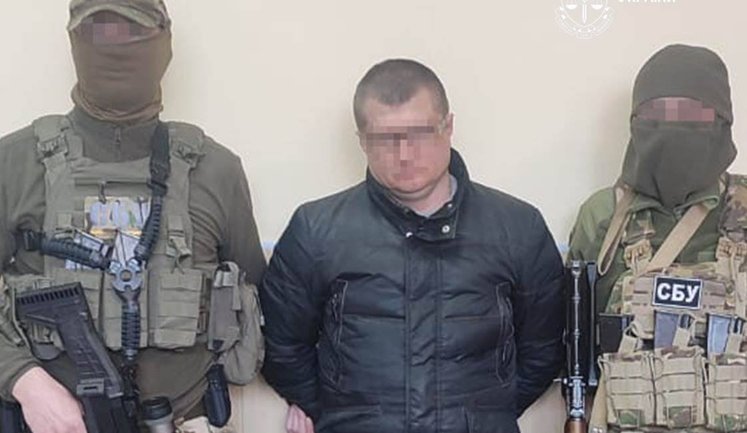
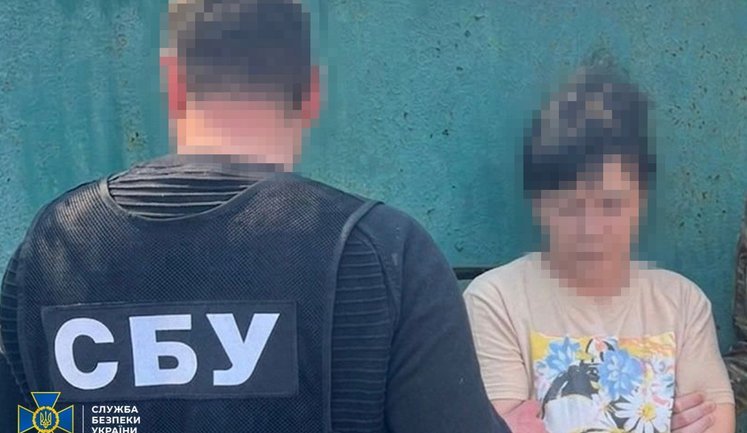
Recent developments in Ukraine highlight a rigorous crackdown against high treason. A former deputy mayor of Kupiansk received a 15-year sentence in absentia for cooperating with occupying forces. This punishment aligns with similar judgments across the country. In Khmelnytskyi, FSB agents were sentenced to identical terms following sabotage activities. The Security Service of Ukraine (SSU) played a vital role in exposing these cases, underscoring their commitment to national security. Sentences often involve confiscation of property, reflecting the severity of high treason charges. As geopolitical tensions persist, Ukraine demonstrates a firm stance against espionage, collaboration, and betrayal, prioritizing the integrity of state protection mechanisms.
Why are high treason sentences significant in Ukraine now?
High treason sentences have become significant due to the ongoing conflict and tension with Russia, necessitating strict measures to maintain national security. The Ukrainian government is prioritizing the prosecution of individuals collaborating with enemy forces to safeguard its territorial integrity and political stability. Strengthened penalties such as 15-year sentences with property confiscation serve as both a deterrent and a punishment reflecting the seriousness of these crimes.
What role does the Security Service of Ukraine play in these cases?
The Security Service of Ukraine (SSU) is instrumental in identifying and prosecuting cases of high treason. Through rigorous intelligence operations, the SSU uncovers espionage activities and collaborations with enemy forces. Their efforts involve gathering crucial evidence that supports the conviction of traitors and ensures that the individuals posing a threat to Ukraine's security are brought to justice. This proactive approach is essential in countering espionage and subversion during heightened geopolitical tensions.
What other punishments accompany imprisonment for high treason in Ukraine?
Besides the standard 15-year imprisonment for high treason, Ukrainian courts often impose the confiscation of property as an additional form of punishment. This serves to strip convicted individuals of assets acquired or utilized during treasonous activities, further exemplifying the legal system's stringent response to betrayal. Confiscation aims to deter treasonous behavior by removing material benefits that could arise from such acts, reinforcing the comprehensive nature of justice against traitors.
How does high treason affect Ukraine's national security?
High treason poses a substantial threat to Ukraine's national security as it involves the potential exposure of sensitive information to enemy forces. It jeopardizes military strategies, endangers lives, and undermines state integrity. By addressing high treason vigorously, Ukraine aims to neutralize these threats, reinforcing its defenses, and ensuring that operational and intelligence strategies are secure. The government's firm stance highlights its commitment to protecting national interests and maintaining sovereignty.
Which regions in Ukraine are seeing increased treason charges?
Regions such as Khmelnytskyi, Donetsk, and Kherson have experienced increased treason-related incidents, as reflected in recent sentencing news. These areas, affected by conflict and proximity to occupied territories, are particularly vulnerable to espionage activities. The Security Service of Ukraine focuses efforts in these critical regions to counteract treason and reinforce national security measures actively. By doing so, they aim to mitigate risks associated with regional hostilities and enemy influence.
What is the typical sentence for individuals involved in treasonous activities in Ukraine?
The typical sentence for individuals found guilty of high treason in Ukraine is 15 years of imprisonment, often accompanied by property confiscation. This reflects the serious nature of the crime which involves collaboration with enemy forces and betrayal of state interests. The legal penalties are designed to act as a strong deterrent against future offenses, highlighting Ukraine's resolute approach to maintaining its national security in the face of geopolitical threats.
How does Ukraine classify acts of high treason?
High treason in Ukraine is classified as acts of espionage, collaboration with occupying forces, or any form of aid to enemies that undermine national security, economy, and sovereignty. These acts are defined under Article 111 of the Criminal Code and carry severe penalties reflecting the gravity of the offense. The classification serves to guide legal proceedings and ensure that all actions detrimental to the state's well-being are prosecuted with appropriate seriousness, underscoring the importance of national defense.