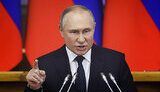
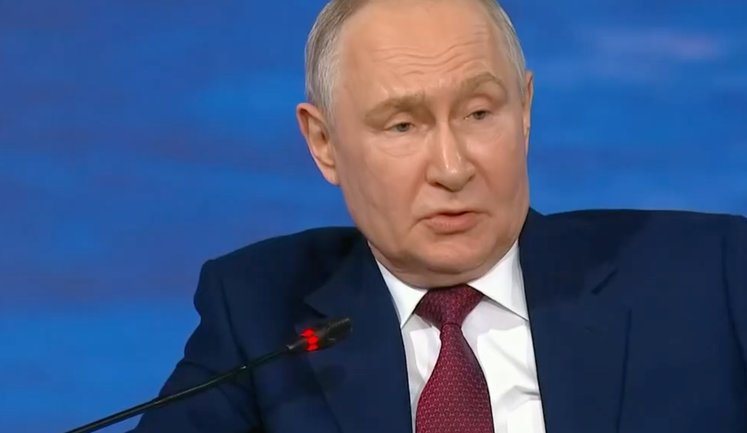
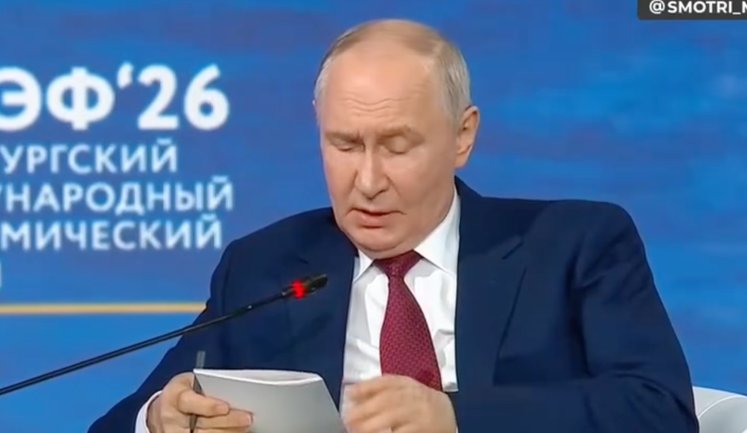
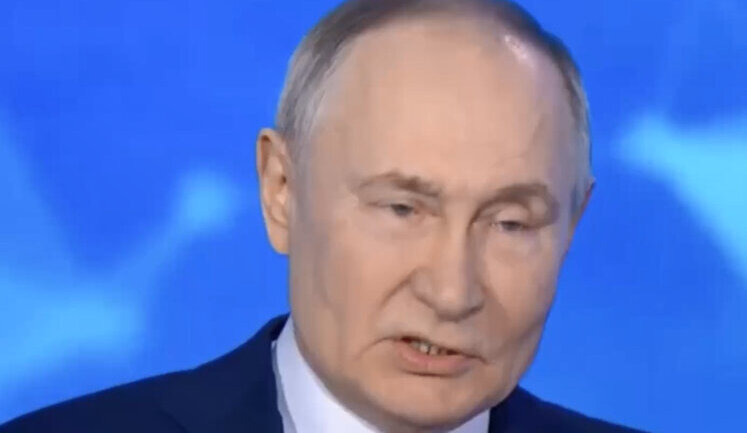
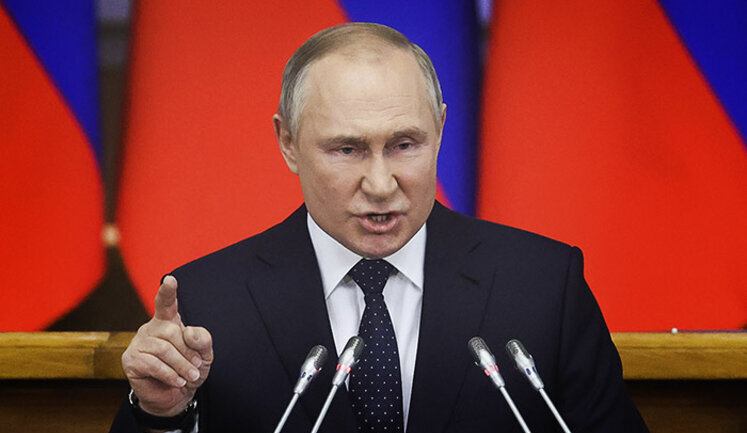
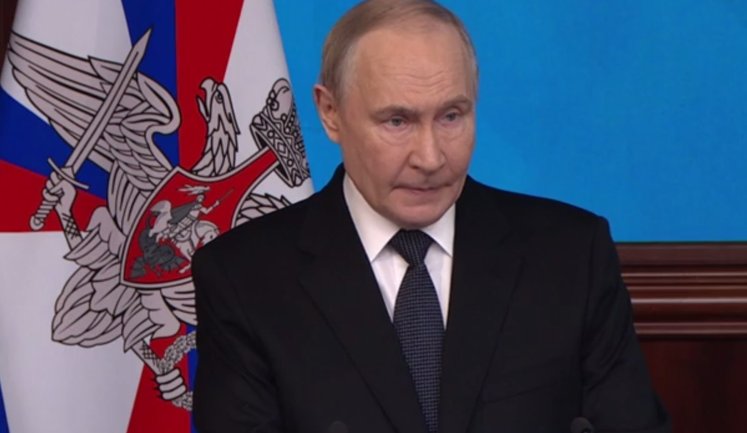
Russian President Vladimir Putin has made several bold statements regarding the ongoing situation in Ukraine. In recent months, he asserted Russia's continued pursuit of its "Special Military Operation" (SMO) objectives, despite claims of Ukrainian retreats. Putin has also expressed a desire for peace by 2026 but emphasized the necessity of addressing all disputed issues through negotiation. Moreover, he has firmly placed blame on Western countries for starting the war and explicitly denied any Russian responsibility for the loss of life in Ukraine. Additionally, Putin labeled European peace proposals as "unacceptable" for Russia, underscoring a complex diplomatic landscape. These developments reflect Russia’s strategic approach and aspirations concerning Ukraine.
What are the primary objectives of Russia's "Special Military Operation" in Ukraine?
Russian President Vladimir Putin has maintained that Russia's "Special Military Operation" (SMO) aims to achieve the liberation of territories he considers historically Russian. However, this claim has been widely criticized and contested internationally, viewed as an attempt to justify territorial expansion and the continuation of military operations against Ukraine.
Is there a timeline for peace as proposed by Vladimir Putin?
Yes, Russian President Putin has suggested that Russia desires a peace settlement by 2026. However, he underscored that such an outcome is contingent upon the resolution of all disputed issues through dialogue, a stance met with skepticism by many international observers given Russia's ongoing military activities in Ukraine.
How does Vladimir Putin view the international response to the war in Ukraine?
Putin has consistently criticized the international community, particularly Western nations, for what he claims is their role in prolonging the conflict. He attributes the war's initiation to Western actions, dismissing Russian responsibility and justifying military efforts as responses to external provocations or threats.
What is Russia's stance on Ukraine's NATO membership according to Putin?
Vladimir Putin has declared Ukraine's potential NATO membership as unacceptable for Russia. While he noted no objection to Ukraine's association with the European Union, joining NATO is viewed as a direct threat to Russian security, further complicating peace efforts and diplomatic relations.
How has Putin responded to allegations of Russian strikes on Ukrainian infrastructure?
Putin has rationalized Russian strikes on Ukrainian infrastructure as necessary retaliations against perceived provocations by Ukraine. He contends these actions are compelled by obligations to protect regions he claims are being targeted by Kyiv, reflecting a contentious narrative that contradicts international condemnation.
What territorial claims has Putin made concerning Ukraine?
Putin has consistently propagated the notion that regions like Donbas have always been Russian territory, asserting Russia's actions as reclaiming land rather than annexing foreign soil. This rhetoric has been key in justifying Russia's ongoing military presence and territorial ambitions in Ukraine.
What is Putin's position on the Western peace proposals for Ukraine?
Putin has dismissed European peace proposals as incompatible with Russia's interests, claiming that these plans do not recognize Russia's security concerns or territorial claims. This dismissal highlights the challenging dynamics in seeking a peace resolution that satisfies all stakeholders.
Has Putin mentioned specific military tactics for the ongoing conflict?
While specific tactics are not always explicitly mentioned, Putin has emphasized the persistence of military objectives, including creating security zones and responding with force if provoked. These statements suggest a readiness to adapt and escalate military actions as deemed necessary by Russian leadership.
What are Putin's views on the historical relationship between Russia and Ukraine?
Putin has frequently characterized Russians and Ukrainians as "one people," suggesting that Ukraine’s territories inherently belong to Russia. This perspective fuels his narrative of rightful reclamation, challenging Ukraine’s sovereignty and stoking international tensions over historical and geopolitical assertions.
Is Russia open to negotiations with Ukraine according to Putin's statements?
Putin has expressed openness to negotiations but has stipulated conditions that many see as incompatible with Ukraine's and the international community's terms. His emphasis on territorial recognition and maintaining Russian security interests poses significant hurdles to achieving diplomatic progress.