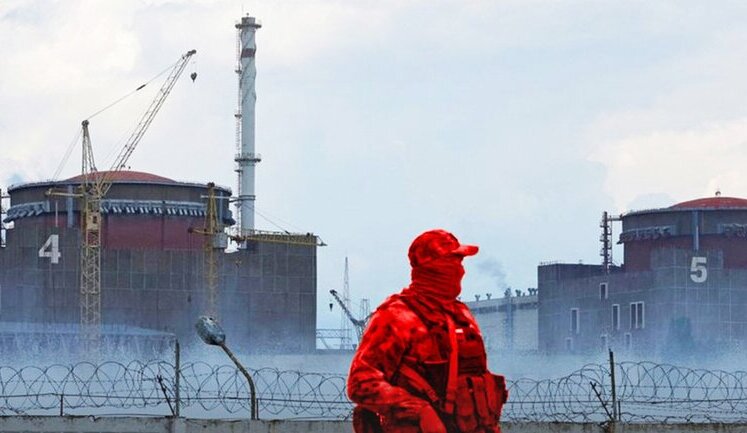
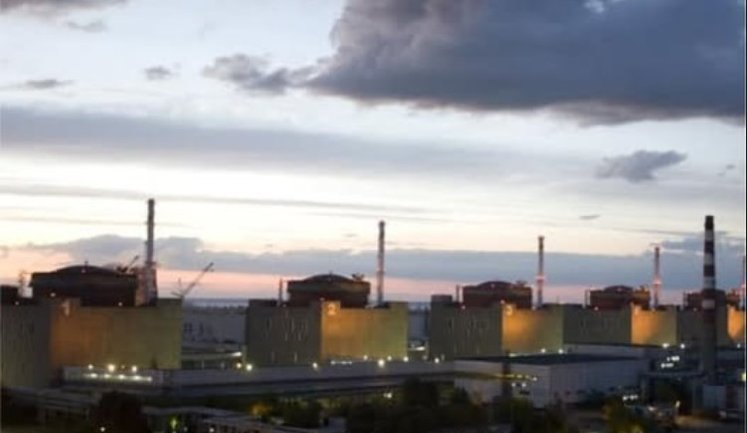
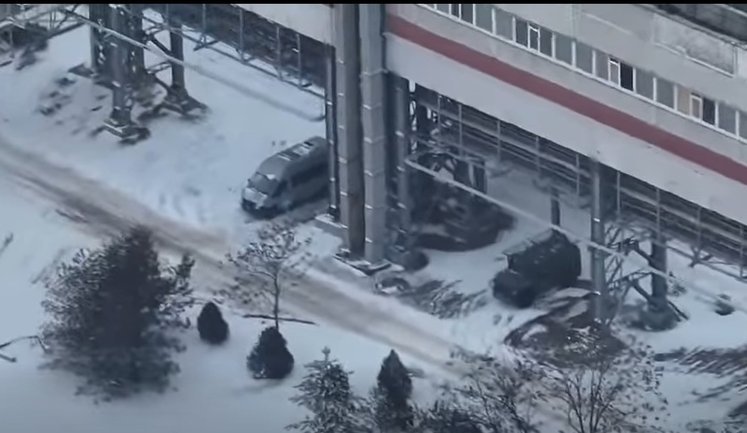
Russia's occupation of the Zaporizhzhia Nuclear Power Plant (ZNPP) has severely impacted the plant's safety. Recently, the 16th blackout of the year occurred, leaving the plant without external power due to disruptions in the 330 kV ‘Ferosplavna-1’ line. The IAEA's recent resolution, backed by 63 countries, calls for the withdrawal of Russian personnel to maintain nuclear safety. However, Russia continues efforts to integrate the plant into its power network, escalating safety risks and leading to equipment wearout from frequent blackouts. Additionally, the IAEA reports compromised communication and water supply to the plant. These developments exacerbate the precarious nuclear safety situation, representing a critical challenge for Ukraine and international agencies.
What are the main safety concerns at Zaporizhzhia NPP?
The main safety concerns at Zaporizhzhia NPP include frequent blackouts, equipment wearout, and compromised communication and basic utilities. These issues raise the risk of a nuclear accident as the plant operates under severely constrained conditions. Russia's efforts to integrate the plant into its network without adequate safety protocols exacerbate these risks.
Why did the IAEA call for the withdrawal of Russian personnel from ZNPP?
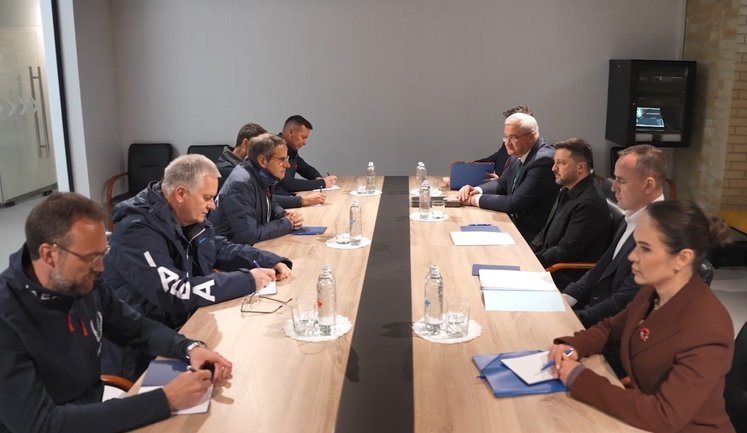
The IAEA called for the withdrawal of Russian personnel to ensure nuclear safety and security at Zaporizhzhia NPP. The occupation has compromised six of the seven safety pillars set by the agency, eroding the plant's operational safety and increasing the likelihood of a nuclear safety incident.
How has the Russian occupation impacted the power supply at ZNPP?
Under Russian occupation, the Zaporizhzhia NPP has suffered frequent blackouts due to the loss of external power connections and Russian efforts to redirect power lines. At times, the plant has been forced to rely solely on backup power, an unsustainable condition that further risks equipment failure and nuclear safety breaches.
What actions have been proposed to address the risks at ZNPP?
To mitigate the risks at ZNPP, Ukraine and international bodies propose the full restoration of Ukrainian control over the plant and a verified withdrawal of Russian military presence. They also urge enhanced diplomatic efforts and regard the establishment of a 'special status' for the plant as a necessary step towards ensuring nuclear safety.
What is the role of the IAEA in ensuring the safety of ZNPP?
The IAEA plays a pivotal role in overseeing nuclear safety at ZNPP. It monitors compliance with international safety standards, facilitates communication with Ukrainian authorities, and urges international cooperation to restore stable operations and secure power and communication lines at the plant.
What have been the international reactions to the situation at Zaporizhzhia NPP?
International reactions have included widespread condemnation of Russia's actions and calls for withdrawal from ZNPP. Countries supporting nuclear safety under the IAEA's framework have backed resolutions that demand an end to the occupation and stress the need to uphold nuclear security standards.