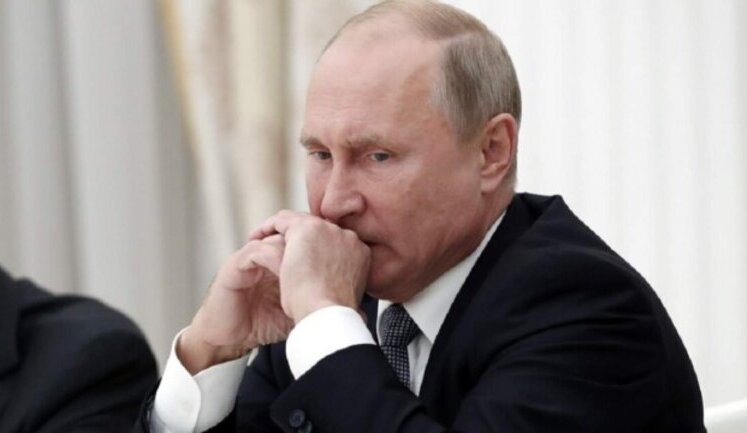
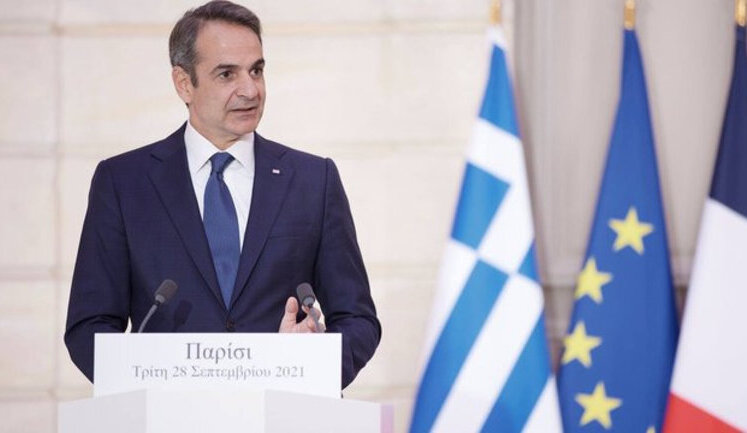
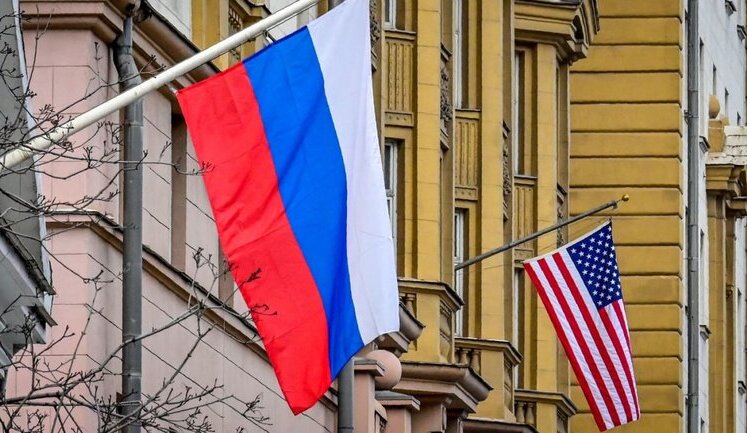
Amid heightened tensions in Ukraine, ceasefire negotiations are ongoing, involving global leaders and diplomatic efforts. The US State Department and CIA differ on Putin's stance, with some viewing a glimmer of hope while others remain skeptical. Greek PM Mitsotakis supports Ukraine's EU-US talks for peace, highlighting international support. Germany proposes Geneva as a neutral venue for dialogue, emphasizing the need for a peaceful resolution. Despite pauses in contacts, Ukrainian Foreign Minister Fidan suggests prioritizing security and humanitarian issues. Meanwhile, Trump's administration and NATO continue pressure, despite Russia's reluctance. Diplomatic discussions in Istanbul aim for a sustainable ceasefire, while global leaders hope to mediate productive talks between Ukraine and Russia. With peace talks in full swing, the path to peace remains challenging but essential.
What are the primary goals of the ceasefire negotiations in Ukraine?
The main goals of ceasefire negotiations are to halt hostilities, ensure security, address humanitarian concerns, and pave the way for lasting peace. Efforts involve diplomatic exchanges between Ukraine, Russia, and global leaders who advocate a negotiated settlement. Recent talks in Istanbul and Geneva underscore the world's resolve to find common ground and resolve outstanding issues.
How do global leaders perceive Putin's willingness to negotiate a ceasefire?
Varying opinions exist among global leaders regarding Putin's willingness to negotiate. While some, like the CIA, believe there may be some openness, others remain skeptical about his true intent. Leaders like German Chancellor Merz express concern about Russia's perception of peace talks as weakness, highlighting complexities in achieving a ceasefire.
What role do other countries play in the Ukraine-Russia negotiations?
Countries including Greece, Turkey, and the United States play crucial roles in facilitating Ukraine-Russia negotiations. Greece supports EU-US dialogues, while Turkey emphasizes security in peace discussions. The US urges direct talks and pressures for a ceasefire. Their involvement is vital in mediating and supporting Ukraine's path to peace.
What challenges exist in achieving a ceasefire between Ukraine and Russia?
The path to a ceasefire is fraught with challenges, including differing priorities between Ukraine and Russia, Russia's reluctance to engage in meaningful dialogue, and international geopolitical dynamics. Ukraine prioritizes security, while Russia demands Ukraine's neutral status, leading to an impasse in peace talks despite ongoing diplomatic efforts globally.
How does the international community view the ongoing conflict in Ukraine?
The international community views the conflict with concern, advocating for diplomacy and a negotiated ceasefire. Leaders emphasize the need for security and humanitarian solutions while expressing varied levels of optimism about progress. Global organizations and nations stress the urgent need for a peaceful resolution and continue to support Ukraine through diplomatic channels.
What are the proposed solutions for mediating peace talks between Ukraine and Russia?
Proposed solutions for mediating peace talks include using neutral venues like Geneva, involving key global players in negotiations, and addressing both security and humanitarian issues. These efforts are complemented by international support for Ukraine and dialogues aimed at reaching a sustainable ceasefire, with countries like Turkey and the Vatican playing mediator roles.