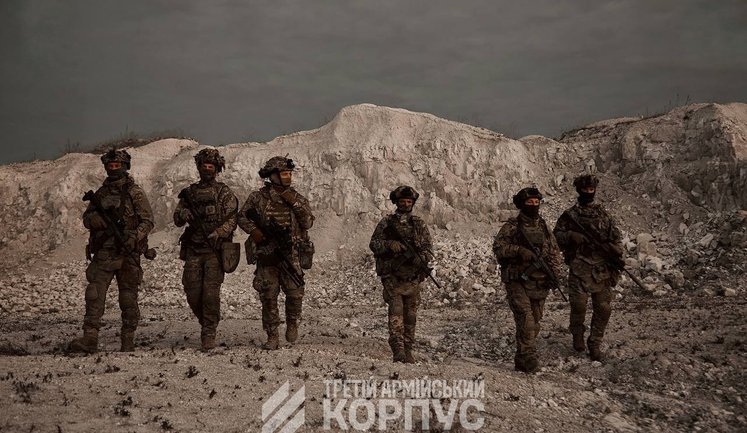
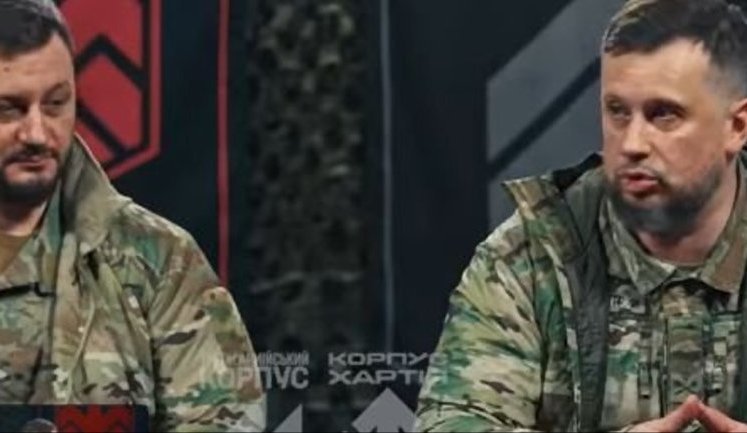
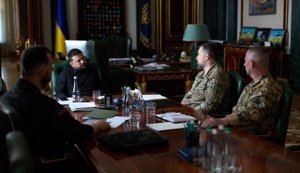
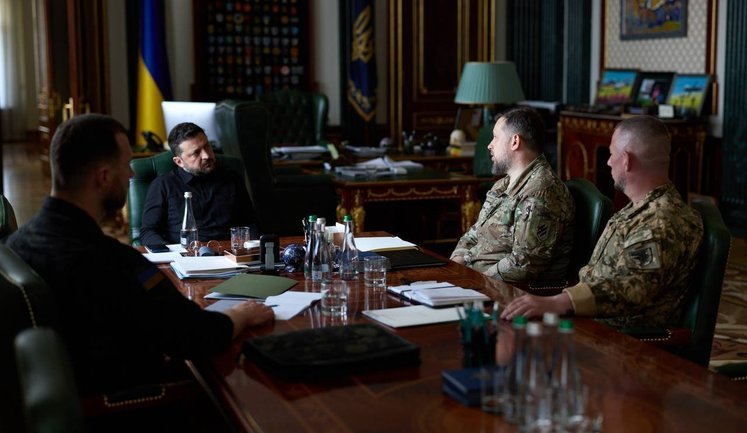
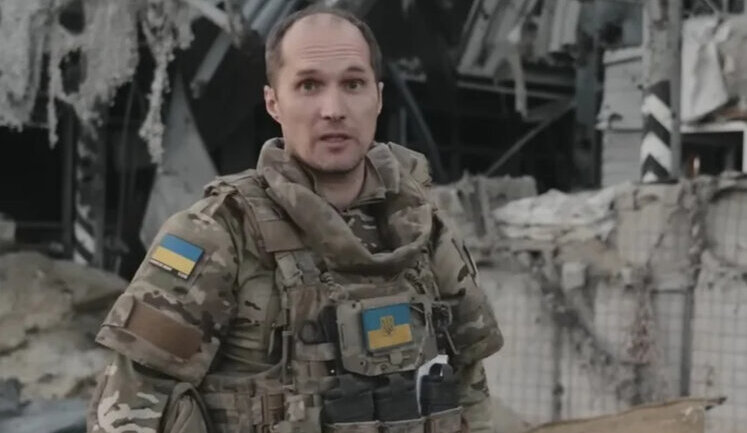
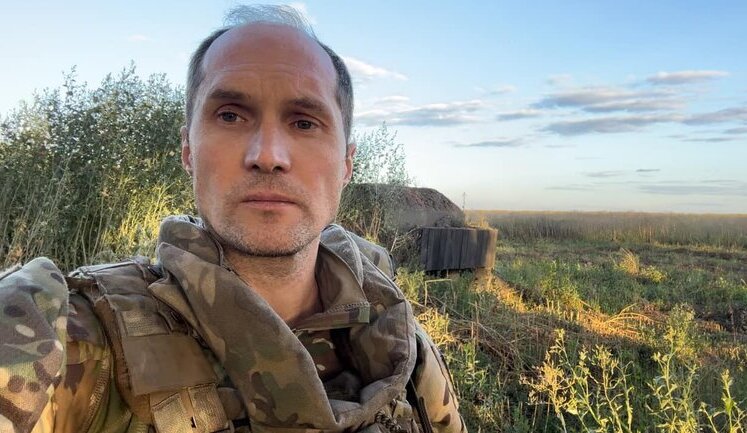
The reform of Ukraine's Armed Forces to a corps-based system marks a significant shift in military strategy and operational effectiveness. This transition aims to streamline command structures and increase defense capabilities. President Zelenskyy recently met with Brigadier General Andrii Biletskyi to discuss the ongoing deployment of the Third Army Corps. As of now, this corps holds a key position along 12% of the front lines, showcasing the strategic importance of these units. The restructuring is expected to decrease Ukrainian losses while inflicting higher casualties on the Russian forces. Despite these advancements, only one of the 18 planned corps is fully operational, highlighting the need for continued reform. The recent developments indicate a decisive step towards modernizing the Ukrainian military to enhance its defensive strength.
What is the purpose of the corps system in Ukraine's Armed Forces?
The corps system aims to streamline the command structure within the Armed Forces of Ukraine, enhancing operational efficiency and military strategy. This reformation is designed to better allocate resources, reduce troop losses, and improve the overall effectiveness of military operations while bolstering the country's defense against external threats.
How has the corps system impacted the country's defense strategy?
The implementation of the corps system has significantly improved Ukraine's defense strategy by enhancing command and control, allowing for more effective deployment and utilization of troops. This strategic reformation is intended to reduce Ukrainian casualties and maximize the impact on Russian forces, thus strengthening national defense and security measures.
What changes have been made in the Ukrainian military command structure?
The transition to a corps-based system involves reorganizing the military command structure to offer more autonomy and accountability at different levels. This restructuring streamlines operations, improves coordination, and allows for more precise control of resources and personnel, ultimately leading to a more responsive military force.
How many corps have been fully deployed in Ukraine's Armed Forces?
As of the current reform stage, only the Third Army Corps has been fully deployed on the front, covering 12% of the engagement zone. While this is a significant step, more corps need to reach full operational capacity to realize the full potential of the reform, allowing for a comprehensive defense strategy.
What are the future prospects of the corps system in Ukraine's military?
The future of the corps system in Ukraine's military looks promising, with plans to fully operationalize all 18 envisioned corps. This should enhance military readiness and efficiency, fortifying Ukraine's defense capabilities significantly as reforms continue to be implemented and refined to meet strategic challenges.
Why was the transition to the corps system necessary for Ukraine?
The transition to the corps system was necessary to modernize Ukraine's Armed Forces, improve strategic flexibility, and address specific operational challenges. The implementation allows for better resource management and improves the capability to respond to and counter adversarial threats effectively, ensuring higher defense preparedness.
What impact does the corps system have on reducing military losses?
The corps system is designed to streamline command decisions and tactical instructions, greatly reducing the potential for disorganization and associated losses. The improved coordination and resource allocation enhance strategic responses, resulting in minimized losses for Ukrainian forces while maximizing the impact on adversaries.
Has the creation of the corps system changed the command hierarchy in the Armed Forces?
Yes, the creation of the corps system has altered the command hierarchy by delegating more responsibility to corps commanders, thus flattening the command structure. This change allows for more efficient decision-making processes, providing quicker and more effective leadership at various operational levels.