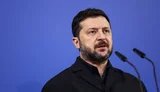
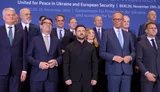
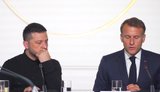
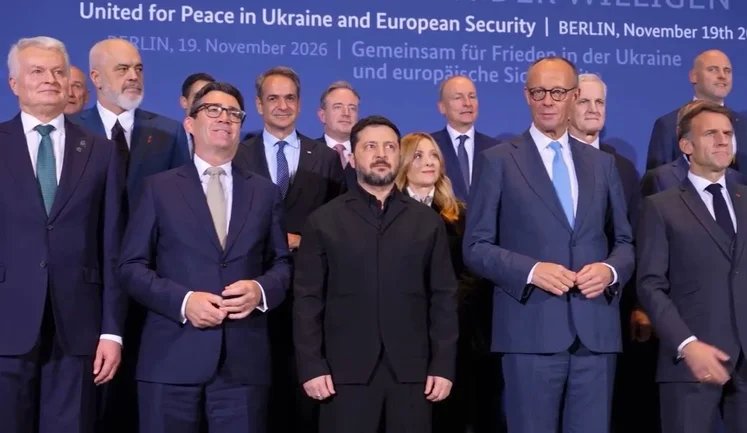
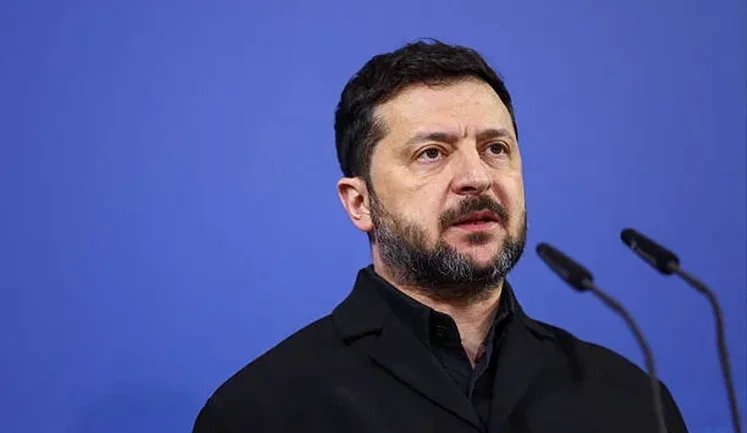
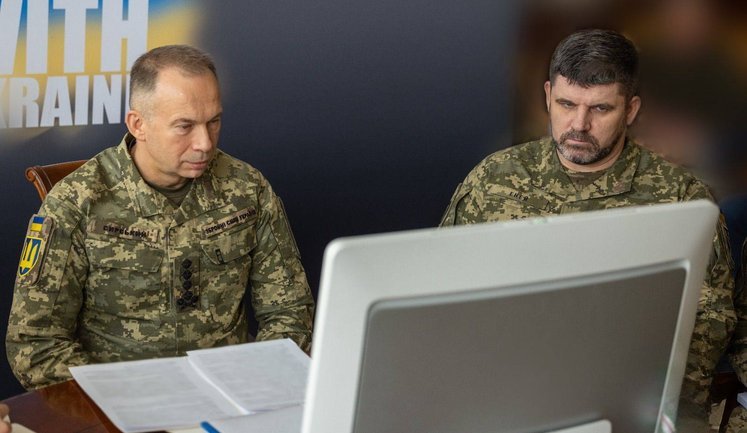
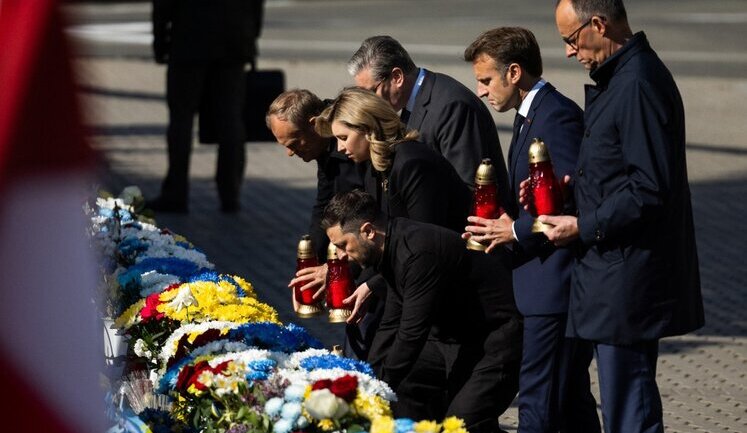
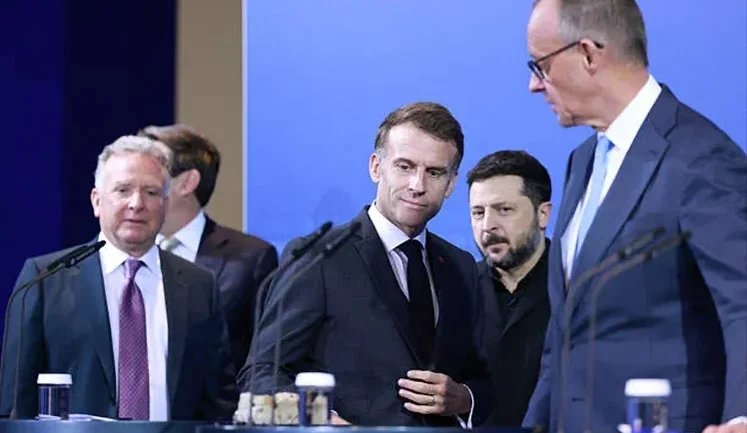
The Coalition of the Willing gathered in Berlin with prominent leaders like Volodymyr Zelenskyy, Andy Burnham, Friedrich Merz, and Emmanuel Macron in attendance. The coalition discussed critical issues such as securing an energy truce with Russia during winter and increasing defense aid for Ukraine, including missile systems. Zelenskyy expressed hope for a G20 invitation from Trump and discussed further plans with US and European diplomats. Potential future venues like UAE were also deliberated for subsequent talks. The meeting underscored the coalition's commitment to supporting Ukraine through military and energy packages to strengthen its defense against ongoing conflicts.
What was the main focus of the Coalition of the Willing meeting in Berlin?
The primary focus of the Coalition of the Willing meeting in Berlin was to discuss support for Ukraine, emphasizing the need for an energy truce with Russia for the winter. Discussions also included providing enhanced military assistance such as missile defense systems and addressing the security needs of Ukraine amid the ongoing conflict. The coalition reiterated its commitment to strengthening Ukraine's defense capabilities and supporting its sovereignty.
Who attended the Coalition of the Willing meeting in Berlin?
The Berlin meeting of the Coalition of the Willing was attended by key global leaders including Ukrainian President Volodymyr Zelenskyy, British Prime Minister Andy Burnham, German Chancellor Friedrich Merz, and French President Emmanuel Macron. Representatives from the United States and other European countries were also present to discuss further coordination and support for Ukraine.
What was discussed about future meetings of the Coalition of the Willing?
During the Coalition of the Willing meeting, discussions included potential future meeting venues with the United Arab Emirates being considered as a possible location. The coalition aimed to solidify plans for ongoing discussions and enhance diplomatic engagements to support Ukraine. Future meetings are expected to continue assessing and adapting strategies for military and economic assistance to Ukraine.
How is the US involved in the Coalition of the Willing's plans?
The United States plays a significant role in the Coalition of the Willing's plans by providing diplomatic support and military aid. At the Berlin meeting, US representatives were expected to provide information on President Trump's discussions, including those with China. The coalition relies on US support to enhance Ukraine's defense through strategic consultations and the provision of critical military resources.
What are the objectives of the energy truce proposal by the Coalition of the Willing?
The energy truce proposal by the Coalition of the Willing aims to prevent further strain on Ukraine's energy resources during the winter months by calling on Russia to cease energy-related hostilities. The truce is intended to stabilize energy supply in Ukraine, ensuring civilian and military needs are met while allowing strategic focus on bolstering Ukraine's defenses through coordinated international support.
What other military support was pledged for Ukraine by the coalition?
In addition to discussing an energy truce, the Coalition of the Willing pledged enhanced missile defense systems and further military aid packages for Ukraine. These packages include air defense mechanisms and increased funding for drones to improve Ukraine's defense capabilities against aggressions. The coalition also discussed long-term strategies to provide sustained military support and fortify Ukraine's national security.
How does the Coalition of the Willing plan to ensure security guarantees for Ukraine?
The Coalition of the Willing plans to secure Ukraine's safety through coordinated international efforts, including military aid and strategic consultations with global allies. During various meetings, including those in Berlin and planned future discussions, the coalition focuses on tangible actions like providing advanced military technology, diplomatic support, and securing commitments from member states to uphold Ukraine's territorial integrity and sovereignty.