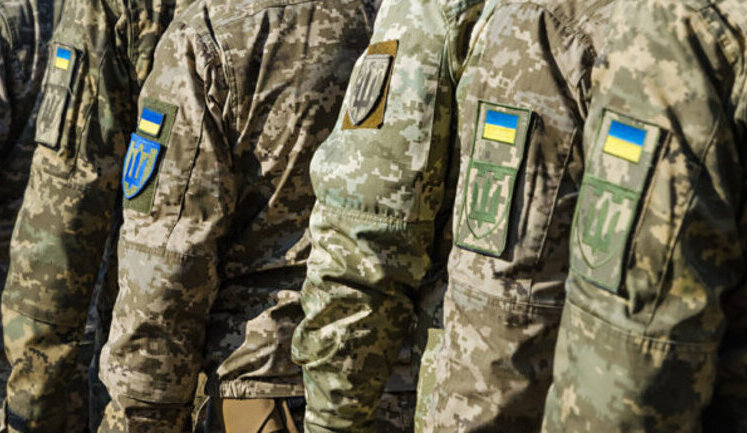
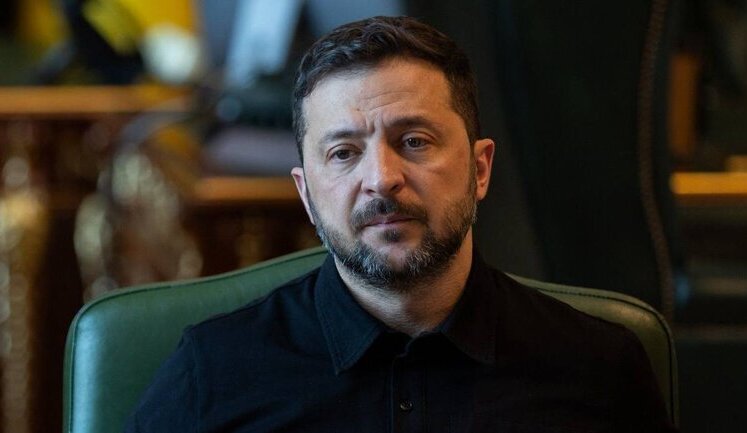
The Demobilization Bill in Ukraine has become a focal point in 2025, highlighting potential changes in military strategy and personnel management. President Zelenskyy emphasized that demobilization or transformation of mobilization might occur if a peace agreement with international partners is signed. This strategic shift could lead to reduced or cancelled mobilization efforts. Despite the anticipation, officials like Venislavskyi stress that ending martial law doesn't equate to immediate demobilization. There's concern from figures like Fediienko that early demobilization might destabilize the front line. The Ministry of Defense has developed an alternative rotation mechanism, allowing rest after 90 days of service, addressing the soldiers’ welfare during prolonged engagements. Meanwhile, the Verkhovna Rada Committee continues to deliberate with the General Staff and Ministry on formalizing the legislation, ensuring the stability and readiness of Ukraine's defense forces.
What are the main points discussed in Ukraine's demobilization bill?
Ukraine's demobilization bill discusses the potential transformation of military mobilization into a limited format if a peace agreement is reached. It also highlights mechanisms for soldier rotation and rest, aiming to balance military readiness with personnel welfare. The bill remains in development, with consultations involving the Ministry of Defense and General Staff ongoing.
How does the demobilization bill affect Ukraine's military readiness?
The demobilization bill impacts military readiness by proposing a structured approach to transition soldiers out of active mobilization based on a peace agreement. However, there are concerns about stability, suggesting early demobilization could affect frontline defense integrity, necessitating a careful phased approach.
What alternatives to demobilization are being proposed?
As an alternative to outright demobilization, Ukraine's Ministry of Defense has proposed a rotation mechanism allowing soldiers rest after 90 days of combat service. This initiative aims to maintain endurance and reduce burnout among troops, ensuring continuous operational effectiveness during military conflicts.
Who is involved in the development of Ukraine's demobilization policy?
The formulation and development of Ukraine's demobilization policy involve key stakeholders such as the Ministry of Defense, the General Staff of the Armed Forces, and the Verkhovna Rada Committee on National Security, Defense, and Intelligence. These bodies collaborate to create a strategic approach balancing troop welfare and national security.
Why is there resistance to Ukraine's demobilization bill?
Resistance to Ukraine's demobilization bill primarily stems from concerns about potential risks associated with premature demobilization. Critics argue it could undermine frontline defenses, potentially leading to a collapse in strategic positions if not executed with caution and comprehensive planning.
What is the position of Ukraine's General Staff on demobilization?
Ukraine's General Staff has not fully supported the initial draft law on demobilization, indicating concerns about its implications for national defense and suggesting a need for comprehensive strategies to ensure front-line stability and effectiveness of military deployments during transitional phases.
How does President Zelenskyy view the demobilization process linked to a peace agreement?
President Zelenskyy views demobilization as potentially contingent upon reaching a peace agreement with key international players. He suggests that a formal peace plan might allow Ukraine to either reduce or fully transform its mobilization efforts, aligning with broader diplomatic and military objectives.