The "Central Asia-Center" gas pipeline explosion in Russia's Penza Region has sparked major safety concerns and an immediate halt in supplies. Concurrently, Russian gas shipments to Europe increased by 22% in March, challenging the EU's commitment to reduce dependence on Russian energy. Global implications arose as China expanded its "shadow fleet" for importing Russian LNG amidst US sanctions. Meanwhile, European countries pledged to cease Russian gas imports by 2026, complicating negotiations with countries like Slovakia that seek exemptions. In this volatile environment, the Freedom of Russia Legion's sabotage of Gazprom facilities further exacerbates tensions, highlighting geopolitical risks and the urgent need for sustainable energy solutions.
What caused the explosion on the Central Asia-Center gas pipeline?
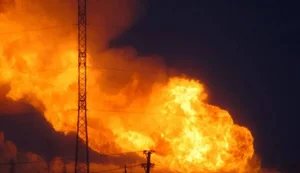
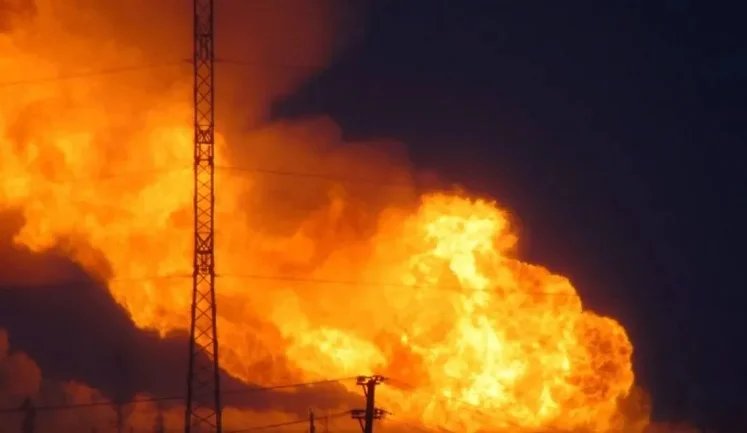
The explosion at the Central Asia-Center gas pipeline in Russia's Penza Region is under investigation. The incident resulted in a massive flare and triggered an immediate halt in gas supply. Details regarding the exact cause, whether accidental or deliberate, have yet to be confirmed by authorities.
How significant is the increase in Russian gas supplies to Europe?
Russian gas supplies to Europe rose by 22% in March 2026. This increase is significant, particularly against a backdrop of previous declines and amid an energy crisis. It underscores complexities in EU policies aiming to reduce dependency on Russian energy.
What are the EU's plans for discontinuing Russian gas imports?
The European Union has promised to stop purchasing Russian gas by the end of 2026 as part of its broader energy independence strategy. This aligns with long-term goals to shift towards renewable energy sources and reduce geopolitical energy dependence.
How is China circumventing US sanctions on Russian LNG?
China is expanding its "shadow fleet" to import Russian LNG despite US sanctions. This involves using discreet shipping methods and possibly third-party intermediaries to avoid detection and continue energy trade, highlighting tensions between energy needs and geopolitical sanctions.
What was the freedom of Russia Legion's impact on Gazprom facilities?
The Freedom of Russia Legion's operation in Russia led to the destruction of six Gazprom gas distribution stations, causing over $6 million in damages. This act represents both a direct economic impact and symbolic resistance against Russian state structures, escalating internal conflicts.
What is the significance of Slovakia's stance on Russian gas imports?
Slovakia, under Prime Minister Robert Fico, has demanded an exception to continue importing Russian gas until 2034, threatening to block EU sanctions. This stance highlights intra-EU divisions on energy and reflects dependency challenges certain member states face regarding Russian gas.
Could Russian gas supplies to Europe be halted by Putin?
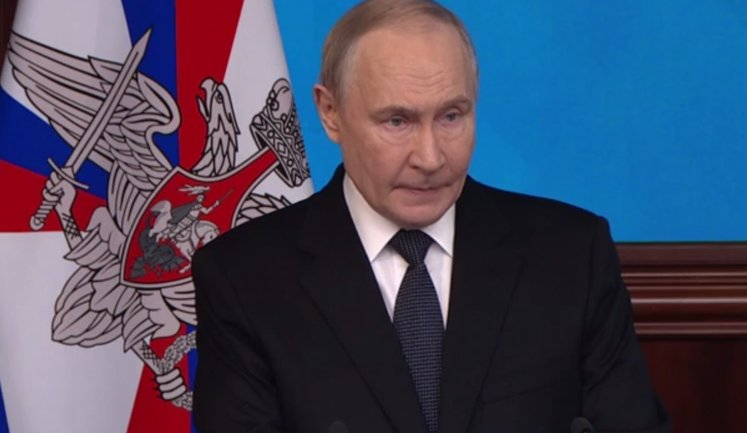
Russian President Vladimir Putin has suggested a potential halt to gas supplies to Europe, citing upcoming bans by the European Union. This reflects the geopolitical leverage Russia holds through energy resources and the ongoing energy diplomacy power struggles amid the current crisis.
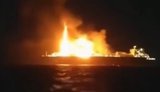
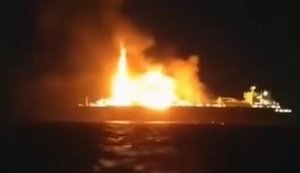
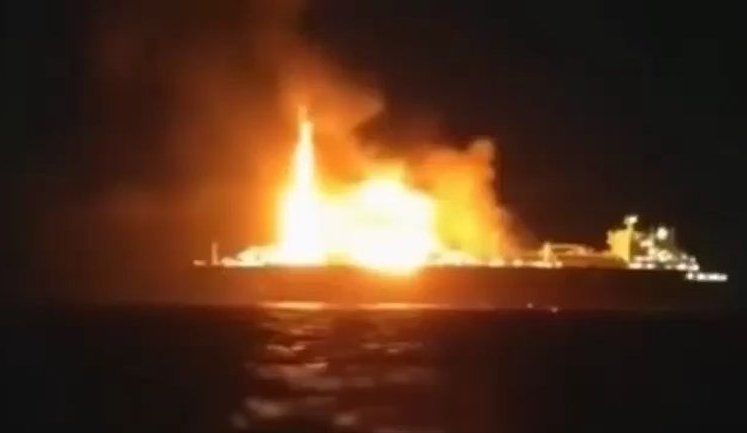
What was the outcome of the Russian gas carrier fire in the Mediterranean?
The Russian gas carrier Arctic Metagaz caught fire off the coast of Libya in the Mediterranean Sea. The incident was captured on video, showcasing vulnerabilities and risks associated with transporting vital energy products, affecting supply chains and maritime safety.
What are the potential impacts of new Russian gas supplies to Iran in 2025?
Russia's planned gas supplies to Iran starting in 2025 indicate strengthening bilateral relations and new markets for Russian energy. This collaboration may influence regional energy dynamics, sanctions policies, and broader geopolitical alignments involving Middle Eastern countries.