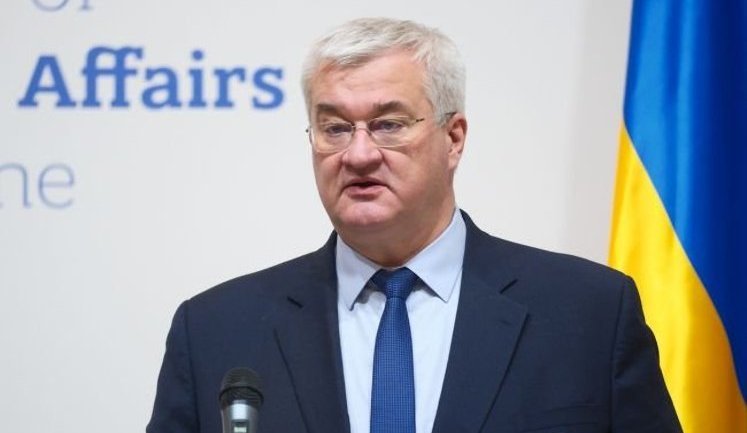
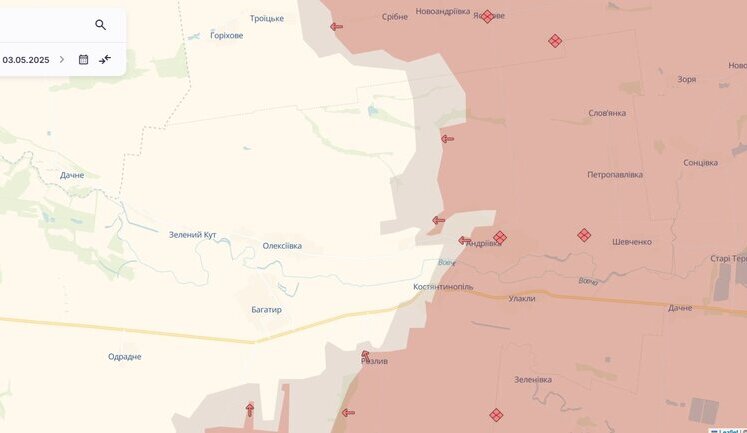
Russian dictator Vladimir Putin announced a truce for May 9, coinciding with Victory Day celebrations. However, skepticism abounds as Putin has yet to finalize the truce's duration. Observers like Ukrainian Foreign Minister Andrii Sybiha and Lithuanian Foreign Minister Kęstutis Budrys dismiss the truce as a propaganda farce. Reports from the frontlines confirm continued hostilities, with Russian forces intensifying attacks rather than ceasing fire. Deepstate analysts and the Southern Defense Forces attest to ongoing Russian assaults, despite the announced ceasefire. The international community remains wary, with calls for a more substantial truce by leaders such as Emmanuel Macron.
What is the significance of Putin's truce announcement for May 9?
Putin's announcement of a truce for May 9 was meant to coincide with Russia's Victory Day celebrations, potentially signaling a gesture towards de-escalation. However, the absence of concrete actions or halt in hostilities raises doubts about the sincerity and impact of the declaration. This truce has been critiqued by international leaders as a propaganda tool rather than a genuine peace effort.
Are Russian forces honoring the truce declared by Putin?
Despite Putin's declaration of a truce, evidence from the frontlines suggests that Russian forces have not ceased hostilities. Reports indicate that rather than honoring the truce, Russian military operations have intensified, undermining the credibility of Putin's announcement. This has led many to question the genuine nature of the truce.
How have Ukrainian officials responded to the truce announcement?
Ukrainian officials, including President Volodymyr Zelenskyy, have expressed skepticism about the truce, citing concerns over potential provocations by Russia. They perceive the truce announcement as a tactical maneuver rather than a step towards genuine peace, advocating for a more extended ceasefire arrangement instead.
What reactions have emerged internationally regarding the truce?
Internationally, reactions to Putin's truce announcement have been largely cautious and skeptical. Leaders like French President Emmanuel Macron and Lithuanian Foreign Minister Kęstutis Budrys have underscored the need for a more durable peace process. The European Commission, along with various intelligence agencies, have rebuked the partial and temporary nature of the truce.
Could Putin's truce lead to future peace negotiations with Ukraine?
While Putin's proposed truce suggests openness to negotiations, Ukrainian leaders remain wary of entering talks without preconditions after previous attempts have led to renewed hostilities. International mediators emphasize the need for a concrete and extended truce as a foundation for meaningful peace talks.
How does the truce impact the situation on the ground in Ukraine?
The truce's impact on the ground in Ukraine has been minimal, as reports indicate continued military actions by Russian forces. These ongoing operations highlight the gap between rhetorical announcements and actual ceasefire conditions, leaving the conflict dynamic largely unchanged despite the proclaimed truce.
What are the strategic implications of Russia's truce declaration?
Strategically, Russia's truce declaration serves multiple purposes: it aims to portray a willingness for peace, potentially reducing international pressure, while simultaneously allowing Russian forces time to regroup and strategize. Analysts warn of the truce being a strategic ruse rather than a path to de-escalation.
Is there evidence that Russia is using the truce to prepare for future military actions?
Analysts and military observers report that during the announced truce, Russian forces have engaged in regrouping and logistical preparations. This has fueled suspicions that the truce might be used by Russia as a tactical pause to strengthen its positions for future military engagements.
How does the truce reflect on Putin's domestic and international image?
Domestically, the truce announcement could be aimed at bolstering Putin's image as a peacemaker in light of internal pressures. Internationally, however, the persistent aggression undermines this narrative, instead portraying a leader whose actions do not align with declared intentions for peace.