The United Nations is undergoing significant changes as global leaders call for necessary reforms. Ukraine highlights the need for restrictions on veto power in cases of aggression and war crimes, reflecting a push for more equitable decision-making processes. Concurrently, the UN faces internal restructuring due to anticipated U.S. aid cuts, which could lead to departmental mergers and resource reallocation. Amidst these reforms, the controversial appointment of Russian Gleb Desyatnikov as an adviser on demining and policing sparks discussions on UN roles in peacekeeping operations. These developments signify the UN's evolving mission in maintaining global peace and security amidst geopolitical challenges.
What are the proposed UN reforms discussed by Ukraine?
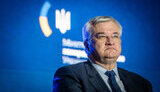
Ukraine has proposed significant reforms within the UN aimed at restricting the veto powers of permanent Security Council members, particularly in instances of aggression, genocide, and war crimes, to promote fairer governance.
Why is Ukraine advocating for changes in UN veto powers?
Ukraine advocates for changes in veto powers because it believes that unrestricted veto usage by permanent members can obstruct essential resolutions against aggression and violations of international law, impacting global peace efforts.
How might US aid cuts impact the United Nations?
The potential reduction in U.S. aid could necessitate significant reforms within the UN, including the merging of departments and redistribution of resources globally, to maintain operational effectiveness amidst funding challenges.
Who is Gleb Desyatnikov and what is his role at the UN?
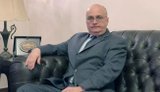
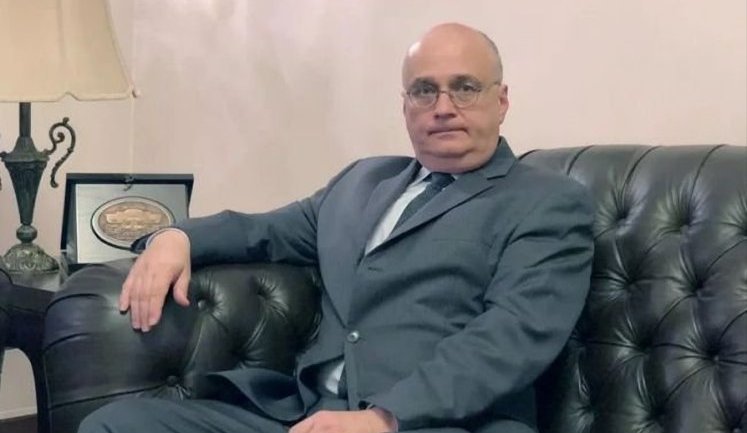
Gleb Desyatnikov, a Russian national, has been appointed as an adviser to UN Secretary-General António Guterres, focusing on policing and demining within the Department of Peacekeeping Operations, stirring discussions on UN appointments.
In what ways does Russia influence the UN Security Council's work?
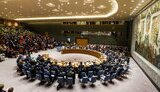
Russia, as a permanent member of the UN Security Council, exercises significant influence by leveraging veto power, and its actions, such as advocating for initiatives like World Horse Day, highlight complex dynamics within the Council.