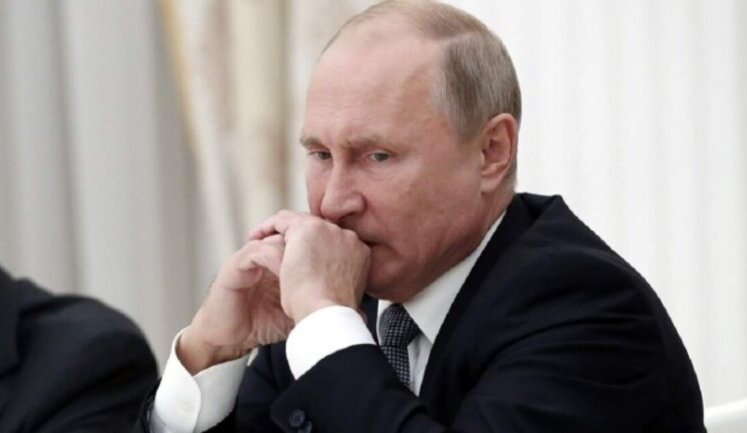
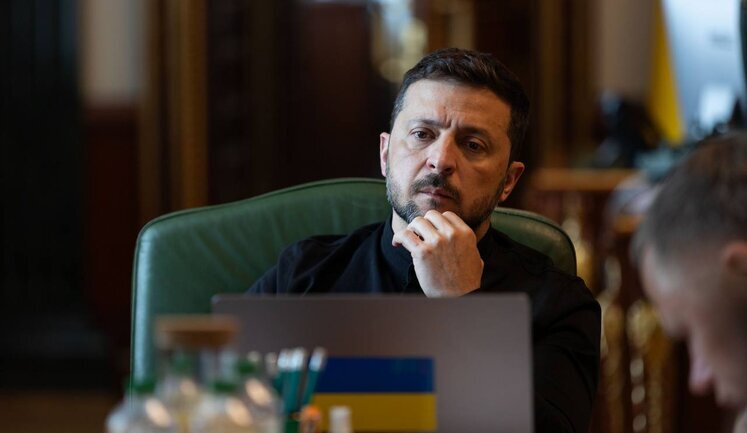
The ongoing negotiations between Ukraine and Russia are centered on a controversial "ceasefire memorandum." Russian President Vladimir Putin asserts readiness for further discussions, while Ukrainian President Volodymyr Zelenskyy dismisses it as an ultimatum. The European Commission condemns Russia's demands as aggressive. Russia's memorandum includes terms for Ukrainian neutrality and recognition of Crimea, sparking criticism and distrust from Ukraine. Both countries have presented their versions of the memorandum, highlighting differences in priorities, including territorial issues and ceasefire conditions on land, sea, and air. Despite the negotiations, ongoing Russian attacks raise doubts about their true intentions toward peace.
What is the ceasefire memorandum related to Ukraine and Russia?
The ceasefire memorandum is a document presented during Ukraine-Russia talks outlining conditions for a temporary cessation of hostilities. It aims to facilitate peace negotiations but includes controversial terms such as recognition of Crimea as Russian territory. The memorandum signifies significant political and territorial challenges in the ongoing conflict, highlighting the difficulties in reaching a mutual agreement that satisfies both nations' interests.
How did President Zelenskyy react to the Russian memorandum?
President Zelenskyy criticized the Russian memorandum as an ultimatum that lacks genuine intention for peace. He questioned the seriousness of the proposals and emphasized that Ukraine seeks negotiations based on mutual respect and realistic terms. Zelenskyy's response reflects Ukraine's stance on defending its sovereignty and skepticism towards Russia's intentions amid ongoing military aggression.
What are the key proposals in the Russian memorandum?
The Russian memorandum includes key proposals such as Ukrainian neutrality, international recognition of Crimea as Russian territory, and lifting of sanctions against Russia. These terms are presented as conditions for a ceasefire but are perceived as unrealistic ultimatums by Ukraine and the international community. The document has intensified discussions about the true objectives behind Russia's negotiation strategy in the conflict.
Why is the European Commission critical of Russia's memorandum?
The European Commission criticizes Russia's memorandum for its aggressive demands, suggesting a lack of commitment to genuine peace talks. The Commission views the proposals as evidence of Russia's continuous aggression and refusal to engage in meaningful negotiations. This criticism underscores concerns about the feasibility of achieving a comprehensive peace agreement that respects Ukraine's sovereignty and international law.
What is the status of Ukraine's response to the Russian memorandum?
Ukraine has prepared its version of a memorandum, emphasizing a comprehensive ceasefire on land, sea, and air. Ukrainian officials stress the importance of constructive dialogue and genuine efforts to resolve territorial disputes and achieve peace. The contrasting documents highlight significant differences in the peace process's goals and approaches, reflecting ongoing tensions and the complexity of the conflict resolution.
What are the international implications of the ceasefire memorandum?
The ceasefire memorandum's international implications include heightened diplomatic tensions and the potential reshaping of geopolitical alliances. It brings attention to the broader consequences of the Ukraine-Russia conflict on global stability and security. The memorandum underscores the necessity for international involvement and support to mediate and facilitate meaningful peace negotiations, ensuring adherence to international law and respect for national sovereignty.