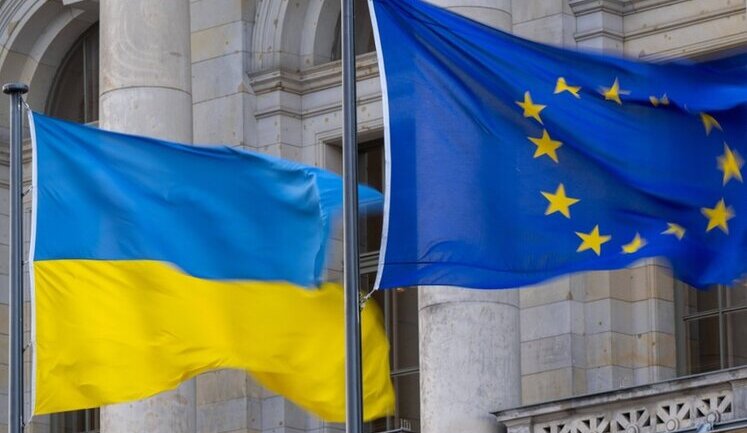
Ukraine is in the midst of significant reforms, crucial for its European integration. On January 1, 2026, a new stage in defense procurement reforms was launched, aimed at enhancing transparency. However, Ukraine's reform journey hit a setback when failure to implement promised reforms led to a reduction in EU financial aid by €1.45 billion. Interior Minister Ihor Klymenko emphasized the importance of law enforcement reform, highlighting its role in Ukraine's European integration amid wartime challenges. Furthermore, EU Ambassador Katarina Mathernova underscored the need for continued efforts in judiciary, decentralization, and energy reforms, areas critical for Ukraine's future.
What are the main areas of reform in Ukraine currently?
The main areas of reform in Ukraine currently include defense procurement, law enforcement, and the judiciary. These reforms are crucial for enhancing transparency, aligning with European standards, and securing financial aid from the EU. Decentralization and energy sector reforms are also vital areas of focus for sustainable development.
How did Ukraine's reform efforts affect its financial aid from the EU?
Ukraine's failure to fully implement promised reforms adversely affected its financial aid from the EU. The EU reduced its financial assistance to Ukraine by €1.45 billion, stressing the importance of compliance with agreed reforms to maintain support and foster European integration.
Why is law enforcement reform important for Ukraine's European integration?
Law enforcement reform is crucial for Ukraine's European integration because it aims to create a coherent structure with clear powers for each agency, ensuring effective governance and alignment with European standards. This reform is vital for maintaining social order and gaining EU confidence during integration processes.
What did EU Ambassador Katarina Mathernova highlight about Ukraine's reform needs?
EU Ambassador Katarina Mathernova highlighted that Ukraine still needs to complete reforms in the judiciary, decentralization, and energy sectors. These areas are seen as critical to strengthening governance, enhancing transparency, and ensuring that Ukraine meets the EU's requirements for potential future membership and cooperation.
What changes were introduced in the defense procurement reforms in Ukraine?
The recent changes in Ukraine's defense procurement reform, effective January 1, 2026, focus on enhancing transparency in defense supply chains. These reforms aim to streamline procurement processes, reduce corruption risks, and align with international standards, thus strengthening Ukraine's defense capabilities and international partnerships.