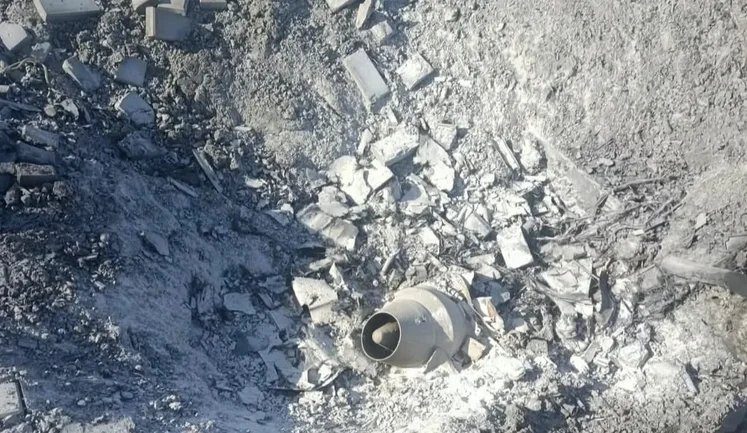
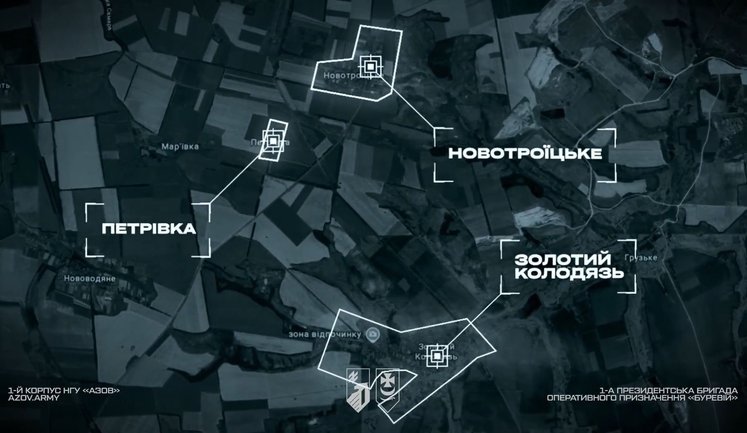
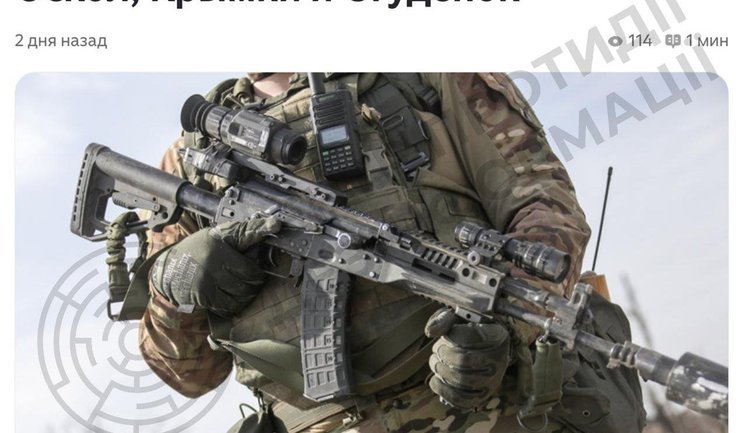
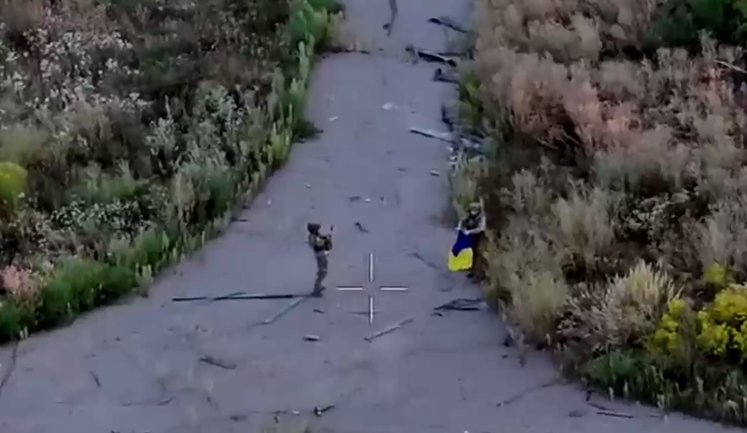
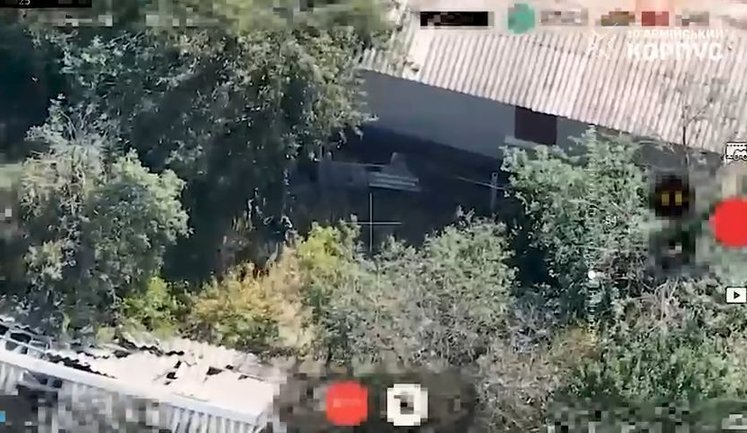
Russian fake news is a critical issue in global politics, encompassing a range of disinformation tactics designed to destabilize and manipulate public opinion. Recent reports reveal false claims by the Russian Ministry of Defense, such as fictitious operations in regions far from active conflict zones like Oskil and Studenok, and fabricated reports about village occupations like Khrapivshchyna in the Sumy region. Further, Russian networks employ AI tools like ChatGPT to spread disinformation. International concerns grow as France investigates Russian interference in its electoral process, and campaigns falsely report fuel shortages in Ukraine and alleged deportations in Lithuania. Such actions underscore the pervasive and damaging nature of Russian disinformation efforts globally.
What are the main goals of Russian fake news campaigns?
Russian fake news campaigns aim to sow chaos, distrust, and division within target nations, often by spreading misinformation that manipulates public perception. These disinformation efforts are designed to undermine governmental and institutional credibility, destabilize political landscapes, influence elections, and shift blame for conflicts. By controlling narratives and exploiting divisive issues, these campaigns can achieve strategic geopolitical advantages while diminishing the influence and cohesion of adversarial states.
How does Russia utilize artificial intelligence in disinformation?
Russia employs artificial intelligence tools, such as AI-generated content, to amplify their disinformation campaigns. Platforms like ChatGPT are manipulated to produce and distribute tailored posts and responses on social media, enhancing the reach and believability of false narratives. These AI-driven efforts allow for quick adaptation and dissemination of misinformation, targeting specific audiences to maximize impact. This technological use in information warfare presents significant challenges for detection and counter-strategy by affected nations.
How is the Ukrainian government responding to Russian disinformation?
The Ukrainian government actively counters Russian disinformation through coordinated efforts involving national security agencies, such as the National Security and Defense Council (NSDC), and various governmental departments. They systematically debunk fake claims, provide verified information to the public, and engage in strategic communication to reinforce factual narratives. Additionally, international cooperation with allies helps in monitoring, exposing, and mitigating the effects of these malicious information campaigns on a global scale.
What impact did Russian disinformation have on the French elections?
The impact of Russian disinformation on French elections has prompted serious investigations amid reports of targeted campaigns against leading presidential candidates. These actions are understood to undermine electoral integrity by confusing the electorate and threatening democratic processes. France's proactive measures, through legal and cyber investigations, highlight the significant efforts required to address such threats and preserve the credibility of national elections. This ongoing situation underscores the vulnerability of democratic institutions to sophisticated foreign interference tactics.
Why is fake news about fuel shortages in Ukraine problematic?
Fake news about fuel shortages in Ukraine presents a severe problem by inciting unwarranted panic and disrupting the normal operation of markets and logistics. These deceptive reports can lead to hoarding, price hikes, and inadequate distribution of resources, undermining economic stability. Furthermore, such disinformation contributes to public anxiety and weakens trust in governmental authorities, complicating the overall management of resources and emergency response during critical situations, especially amid ongoing military conflicts.
How does misinformation affect international relations between Russia and the Baltic states?
Misinformation affects relations by deepening distrust and hostility between Russia and the Baltic states. Russian claims about deportations, which were dismissed as fake news, exacerbate tensions by falsely portraying Baltic actions as aggressive. Such disinformation tactics are used to polarize societies, distort realities, and create divisive narratives within and beyond borders. The Baltic states' firm opposition and proactive communication strategies exemplify their efforts to counter these narratives and uphold regional security and cooperation.
What methods are used to verify the authenticity of disinformation claims?
Verifying disinformation involves cross-referencing information from credible sources, employing fact-checking teams, and utilizing advanced forensic and open-source intelligence techniques. Collaboration with international partners allows pooling of data and resources to identify patterns and origins of false claims. Additionally, technological systems designed to detect anomalies in information dissemination, combined with increased media literacy efforts, equip both authorities and citizens to recognize and resist disinformation campaigns more effectively.