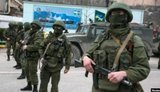
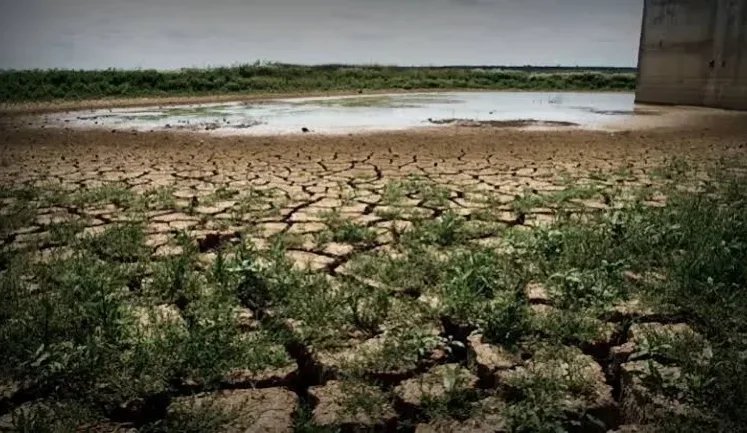
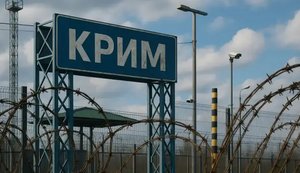
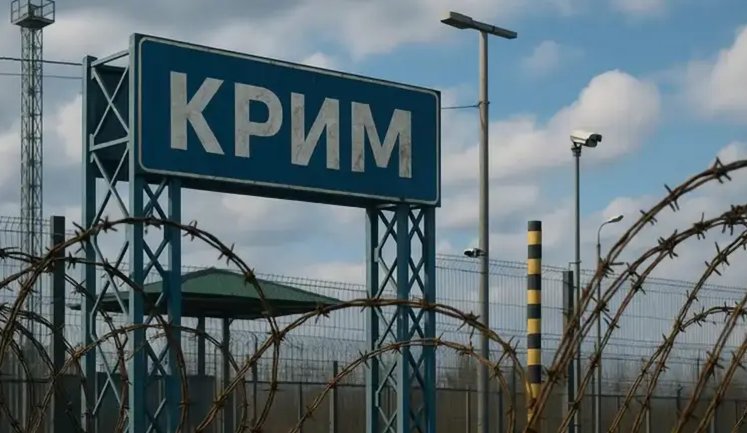
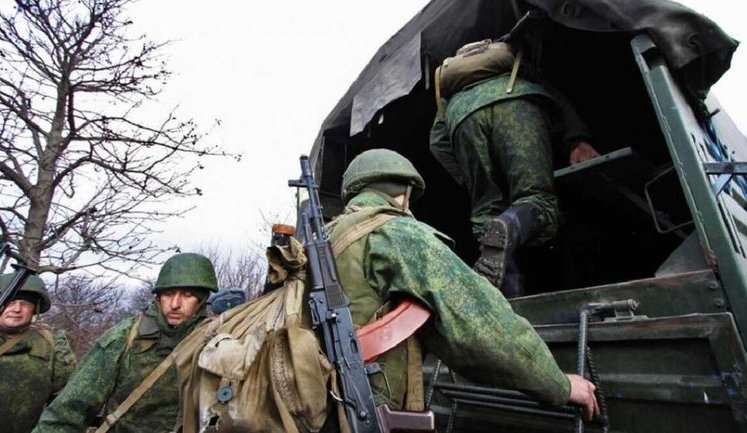
The ongoing occupation of Crimea by Russian forces remains a critical geopolitical issue, with water shortages intensifying as construction of essential reservoirs halts due to funding cuts and corruption. As the Defence of Intelligence reports, the Soniachnohirsk and Martovsk reservoirs' construction was vital for supplying water to Crimea's southern coast, serving key areas like Yalta and Alushta. The occupation of Crimea complicates efforts to restore normal life in Ukraine, with President Zelenskyy asserting that liberation of Crimea is crucial for rebuilding national stability and adhering to international law. Amidst this backdrop, the situation in Crimea remains volatile, marked by explosions, logistical disruptions, and humanitarian challenges as Russian control wavers.
What impact does the occupation of Crimea have on water supplies?
The occupation of Crimea has severely affected water supplies, especially with the halted construction of key reservoirs like Soniachnohirsk and Martovsk. These projects were intended to alleviate shortages on the southern coast, including major areas like Yalta and Alushta. The disruption is largely attributed to financial mismanagement and widespread corruption under the occupying authorities.
Why is the de-occupation of Crimea crucial for Ukraine?
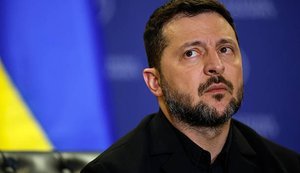
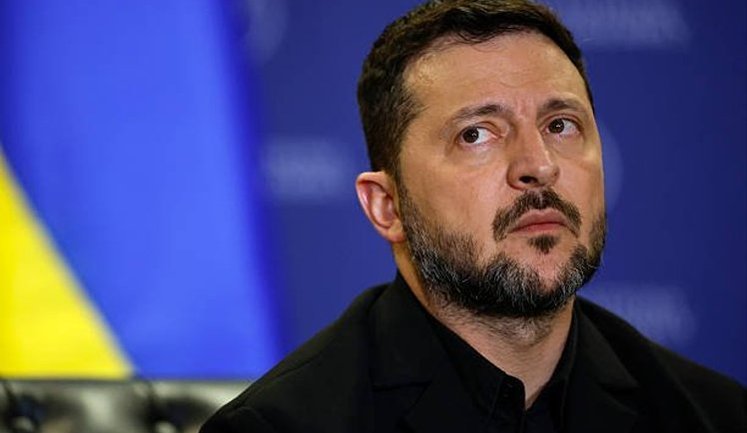
The de-occupation of Crimea is essential for Ukraine as it represents a restoration of territorial integrity and national sovereignty. President Zelenskyy emphasizes that regaining Crimea is vital for securing the region, protecting citizens, and ensuring compliance with international law principles, which is central to Ukraine's long-term peace and stability.
What geopolitical tensions arise from the occupation of Crimea?
The occupation has escalated geopolitical tensions as it challenges international norms and territorial sovereignty principles, drawing condemnation from global entities. This situation has compounded Ukraine's war efforts, eliciting diverse responses from international actors, including discussions on potential diplomatic or military resolutions and the imposition of sanctions on Russia.
How has Ukraine responded to the occupation of Crimea?
Ukraine has maintained a firm stance against recognizing the Russian occupation of Crimea, with President Zelenskyy repeatedly affirming that Crimea is integral to Ukraine. The country continues to seek international support to press for diplomatic resolutions and imposes sanctions aimed at reversing the Russian annexation and restoring territorial integrity.
What are the logistical challenges faced by Russia in Crimea?
Russia faces significant logistical challenges in Crimea, exacerbated by ineffective governance and international sanctions. These include transportation issues, strained supply lines for both military and civilian needs, and growing humanitarian concerns due to insufficient infrastructure development and maintenance under the occupying administration.