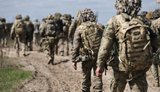
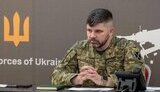
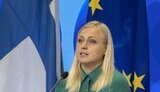
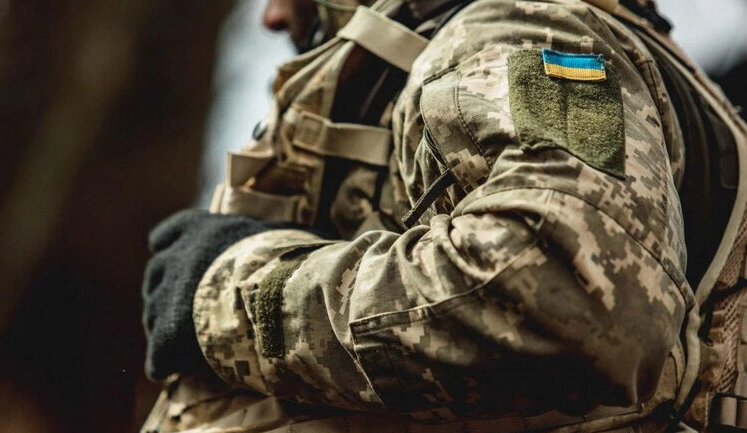
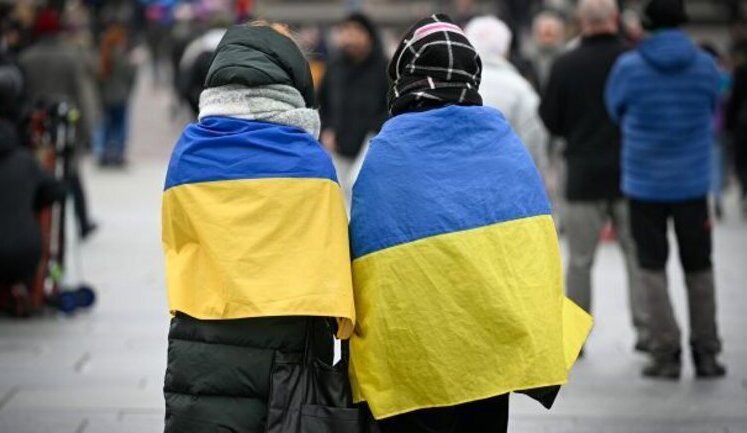
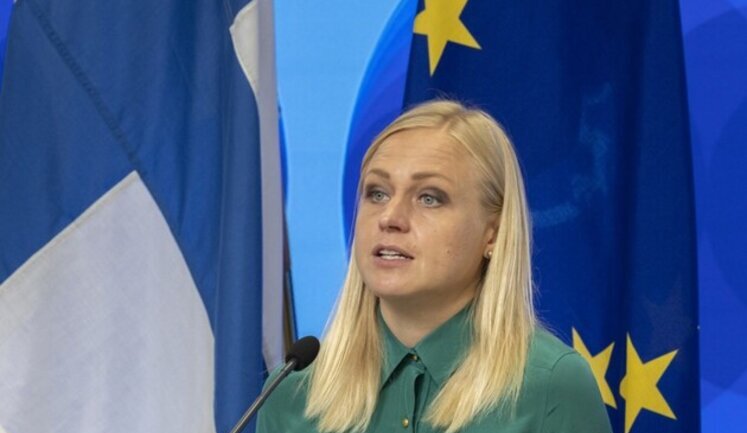
The discussion on the reduction in the numbers of defense forces in Ukraine has sparked intense debate. Over 70% of Ukrainians oppose recognizing the temporarily occupied territories as part of Russia, cutting the Armed Forces of Ukraine, or abandoning the NATO bid. Finnish Foreign Minister Elina Valtonen suggests that any peace plan should also involve restrictions on the size of the Russian army. Meanwhile, Ukrainian-American negotiations did not include reducing the Armed Forces. Despite reports that Ukraine agreed to cap its military at 800,000 personnel, Ukrainian officials emphasize no drastic reductions are planned post-war, highlighting the Defense Forces as central to national security. The ongoing debate underscores the complex balance of national security and peace negotiations.
Why do most Ukrainians oppose reduction in defense forces?
Most Ukrainians oppose the reduction in defense forces as part of maintaining national security and protecting against external threats. There are significant concerns over recognizing occupied territories and abandoning the bid to join NATO, which could lead to vulnerabilities against potential aggressions and undermine Ukraine's sovereignty.
What was Finnish Foreign Minister's stance on military reduction?
Finnish Foreign Minister Elina Valtonen expressed that any peace plan should enforce parity in military reductions, meaning that if Ukraine is to reduce its armed forces, Russia should be compelled to do the same. Such a stance advocates for balanced demilitarization, reducing potential threats from aggressive neighbors.
Was the reduction of Ukraine's armed forces discussed in Geneva talks?
During the Geneva talks between Ukrainian and American delegations, the issue of reducing Ukraine's armed forces was reportedly not part of the discussions. Both delegations focused on other aspects of peace planning, suggesting that reductions may not yet be a priority or agreed upon agenda item.
Did the Financial Times report an agreement on troop limitations in Ukraine?
The Financial Times reported that Ukraine agreed to limit the size of its armed forces to 800,000 personnel. This agreement reflects ongoing considerations in scaling military capabilities post-conflict, balancing between maintaining sufficient defense capabilities while engaging in broader peace negotiations.
Will there be a drastic cut in Ukrainian defense forces post-war?
Ukrainian officials, including statements by Prime Minister Shmyhal, assure that there will be no sharp reduction in defense forces after the war concludes. This decision underscores the importance of sustaining robust defense mechanisms to ensure long-term national security and preservation of sovereignty.