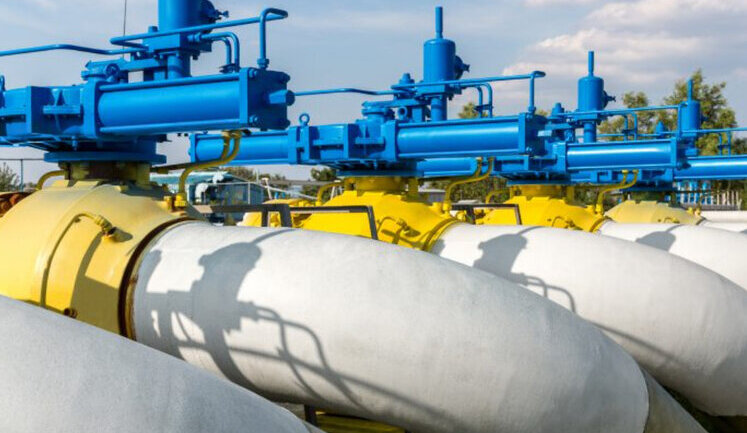
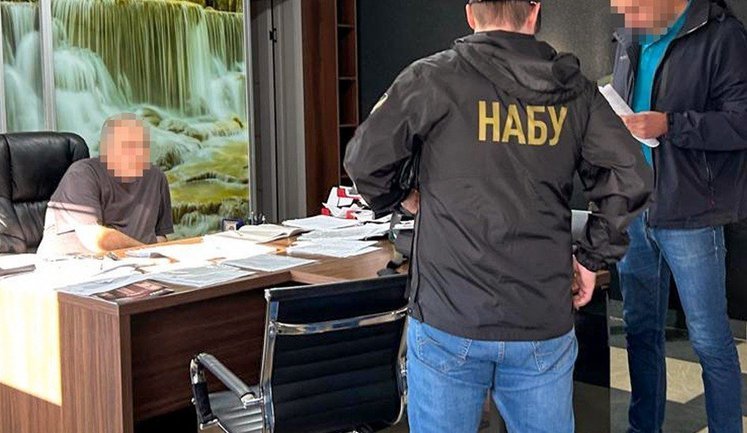
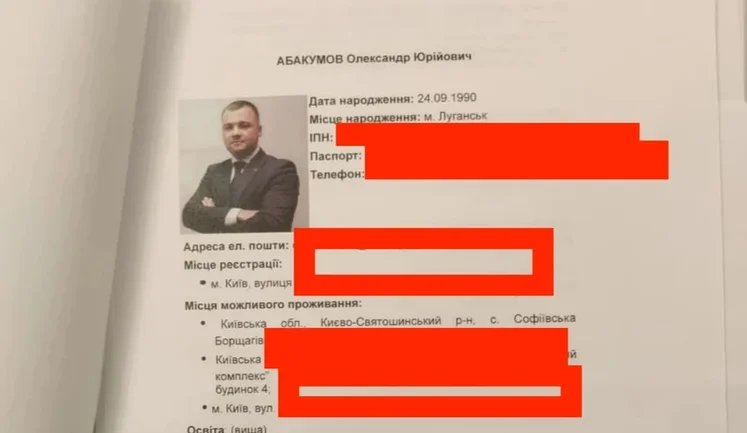
Ukraine is grappling with a major corruption scandal in the energy sector, with President Zelenskyy's administration being accused of obstructing independent supervisory boards, leading to increased corruption. Key figures, such as Tymur Mindich and Oleh Tatarov, are implicated in maintaining Russian control over regional power companies, and serving personal interests in state-owned enterprises, including Energoatom. The scandal has sparked outrage among Ukrainians, with many voicing their concerns on social media, affecting international aid and trust. The European Union and the United States are closely monitoring the situation, demanding transparency and accountability. Zelenskyy has sanctioned involved parties and called for reforms.
What role did Zelenskyy's administration play in the energy sector corruption?
President Zelenskyy's administration is accused of sabotaging independent supervisory boards and enabling corruption in state-owned enterprises. This obstruction allowed Russian and internal interests to maintain control over Ukrainian regional power companies, exacerbating the scale of corruption.
How has the international community reacted to the Ukrainian energy sector corruption scandal?
The international community, including the European Union and the United States, has expressed concern over the corruption scandal, urging Ukraine to implement transparent reforms to restore trust and ensure proper use of international financial support. Some private donors have begun withholding aid.
Who are the main figures implicated in the Ukrainian energy sector scandal?
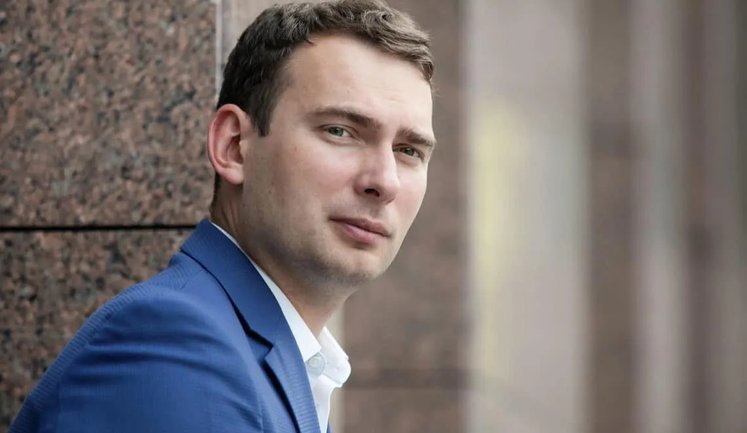
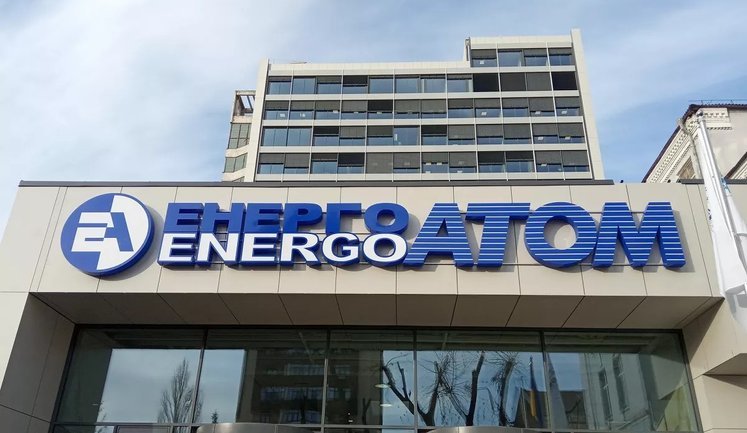
Tymur Mindich, a co-owner of Studio Kvartal-95, and Oleh Tatarov are key figures implicated in the scandal. Their involvement allegedly facilitated Russian control over regional power companies and corruption within state-owned enterprises like Energoatom.
What actions has the Ukrainian government taken in response to the corruption allegations?
In response to the scandal, the Ukrainian government has initiated sanctions against implicated individuals and dismissed key officials such as Energy Minister Halushchenko. Efforts are being made to strengthen audits and potentially restructure supervisory boards to prevent future corruption.
What potential consequences could the energy sector corruption scandal have on Ukraine's public sector?
The corruption scandal threatens to undermine public trust in government institutions and could lead to stricter international oversight and decreased financial aid. It may also prompt significant political consequences, including calls for resignations among top officials.
How has the Ukrainian public reacted to the energy sector corruption scandal?
The Ukrainian public has reacted with outrage towards the revelations of corruption, particularly criticizing the involvement of high-ranking officials close to President Zelenskyy. Many citizens have taken to social media to express their dissatisfaction and demand accountability and reforms.
What are the implications of the scandal for Ukraine's energy market and foreign investments?
The scandal poses significant risks to Ukraine's energy market stability and could deter foreign investments due to perceived risks associated with systemic corruption. This underscores the urgency of implementing transparent governance measures to regain confidence.
What is the significance of the "Mindich tapes" in the context of the corruption scandal?
The "Mindich tapes" are a critical component of the scandal, revealing conversations that expose entrenched corruption networks and implicate prominent figures. These tapes have significantly intensified scrutiny and pressure for comprehensive anti-corruption reforms.